🌟 Introduction
In today’s competitive digital economy, businesses thrive not only by offering quality services but also by efficiently managing their internal processes. Enterprise Resource Planning (ERP) systems are playing a pivotal role in transforming businesses—especially in tech-forward hubs like Dubai. With rapid infrastructure development and increasing demand for automation, Dubai has become a fertile ground for ERP system implementation across diverse industries.
This comprehensive blog explores what is an ERP system, its relevance in global business, and the specific evolution and utilization of ERP systems in Dubai.
🧠 What is an ERP System?
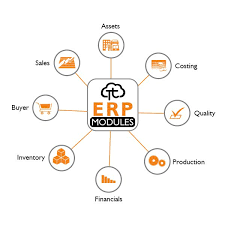
An ERP system is a type of software that integrates various business processes into a unified system. It allows departments such as accounting, HR, supply chain, customer relationship management (CRM), and more to share data and streamline operations.
✅ Key Features of an ERP System:
-
Centralized Data Management
All departments operate on a single database, which reduces redundancy and enhances data accuracy. -
Real-Time Reporting
Generate live dashboards and customized reports to help leadership make informed decisions. -
Automation of Tasks
Streamline routine operations like payroll, inventory management, and invoicing. -
Scalability
ERP systems are modular and can grow alongside the business.
🎯 Benefits of ERP Systems:
-
Improved workflow efficiency
-
Enhanced customer service
-
Reduced operational costs
-
Better compliance with regulations
-
Faster response time to market changes
ERP systems empower companies by making them more responsive, agile, and connected internally and externally.
🌍 Why Dubai is a Thriving Hub for ERP Implementation
Dubai has positioned itself as a global business leader through visionary planning, smart government initiatives, and tech-focused reforms. The city’s booming sectors—ranging from logistics and tourism to real estate and healthcare—are embracing ERP systems to enhance productivity and ensure sustainable growth.
📊 ERP System in Dubai: A Digital Transformation Catalyst
1. ERP in Government Sectors
Dubai’s government bodies, such as Dubai Municipality and Dubai Health Authority, use ERP systems to handle HR, procurement, budgeting, and more efficiently.
2. ERP in Real Estate
With giants like Emaar and DAMAC, the real estate sector in Dubai relies heavily on ERP software to manage customer contracts, project timelines, and financials.
3. ERP in Retail
Retailers like Carrefour UAE and Lulu Group use ERP systems to manage inventory across numerous stores, ensure consistent pricing, and improve customer satisfaction.
4. ERP in Manufacturing and Logistics
Dubai’s strategic location as a logistics hub makes ERP vital in coordinating freight, warehousing, and delivery. Companies like DP World and Aramex leverage ERP systems for 24/7 operational visibility.
🏗️ Custom ERP vs. Off-the-Shelf ERP in Dubai
| Type | Description | Popular Examples |
|---|---|---|
| Custom ERP | Tailored to specific business needs | Microsoft Dynamics 365, SAP Custom Solutions |
| Off-the-Shelf ERP | Standardized with pre-built modules | Odoo, Oracle NetSuite |
In Dubai, both models are popular depending on the size and complexity of the organization. SMEs often start with Odoo, while large enterprises invest in SAP or Oracle.
🔧 ERP System Integration with Other Technologies
a) AI and Machine Learning
ERP systems in Dubai are now integrating AI for predictive analytics, fraud detection, and personalized customer interaction.
b) Internet of Things (IoT)
In logistics and manufacturing, IoT devices feed real-time data into ERP systems for inventory monitoring and fleet tracking.
c) Blockchain
Dubai is experimenting with blockchain-integrated ERP systems for secure contract management and supply chain transparency.
💼 Choosing the Right ERP System in Dubai
Key Considerations:
-
Industry-Specific Features
-
Local Compliance Capabilities (VAT, labor laws)
-
Cloud vs. On-Premises
-
Multilingual and Multi-Currency Support
-
Vendor Support in UAE
Popular vendors operating in Dubai include:
-
SAP UAE
-
Oracle Middle East
-
Odoo Partners Dubai
-
Microsoft UAE
🚀 ERP Implementation: Challenges and Solutions in Dubai
Challenges:
-
Data migration complexities
-
Staff training requirements
-
Cost of customization
-
Cultural resistance to change
Solutions:
-
Hiring ERP consultants
-
Conducting workshops and training
-
Phased rollouts
-
Vendor technical support packages
💹 The Future of ERP System in Dubai
Dubai’s “Smart Dubai 2030” initiative and the UAE Vision 2021 indicate a future where ERP systems will be deeply integrated with AI, big data, and blockchain. As more businesses prioritize digitization, ERP will continue to serve as the core engine of digital operations.
📚 Case Study: Successful ERP Implementation in Dubai
Emirates Airlines
Implemented Oracle ERP Cloud to manage HR, procurement, and financials—improving operational transparency and reducing manual workload.
Dubai Customs
SAP ERP deployment helped streamline import-export operations, boosting service efficiency for thousands of traders.
Al Futtaim Group
A diversified group using Microsoft Dynamics ERP to manage automotive, retail, and real estate segments.
🏁 Conclusion
ERP systems are no longer just backend solutions—they’re the digital backbone of modern businesses. As Dubai embraces futuristic infrastructure and smart technologies, ERP systems are enabling local and international enterprises to scale efficiently and stay competitive.
Whether you’re an SME in JLT or a multinational in DIFC, investing in a reliable ERP solution can define your business’s future success.
❓ Frequently Asked Questions (FAQs)
1. What is an ERP system in simple terms?
An ERP system is a software that helps a business manage its day-to-day activities like accounting, procurement, project management, and operations, all in one platform.
2. Why is ERP important for businesses in Dubai?
With Dubai’s fast-paced, tech-driven economy, ERP systems help businesses operate more efficiently, comply with local regulations, and scale globally.
3. What are the best ERP systems used in Dubai?
Some of the popular ERP systems include SAP, Oracle NetSuite, Microsoft Dynamics, and Odoo.
4. Is cloud-based ERP better than on-premise ERP in Dubai?
Yes, especially for SMEs. Cloud ERP offers cost savings, remote access, and automatic updates, which align with Dubai’s smart city initiatives.
5. How long does it take to implement an ERP system in Dubai?
Depending on complexity, ERP implementation can take between 3 to 12 months. Planning, training, and phased rollouts reduce delays.