Introduction: The ERP Software Boom in the UAE
The digital transformation wave is sweeping across the globe, and the United Arab Emirates (UAE) is riding it with ambition. From government sectors to logistics, healthcare to hospitality, one thing is becoming common: Enterprise Resource Planning (ERP) software is at the heart of business optimization. Whether you’re a startup in Dubai or a well-established firm in Abu Dhabi, ERP software isn’t just an option anymore — it’s a strategic asset.
In this blog post, we’ll explore how ERP software, specifically in Dubai and other UAE regions, is redefining productivity, collaboration, and competitiveness. We’ll break down what makes a system the best ERP software in UAE, analyze the unique needs of this region, and help businesses choose wisely in 2025 and beyond.
📌 What is ERP Software?
Defining ERP
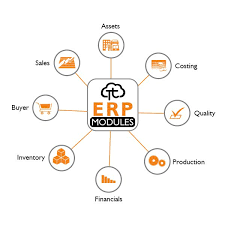
ERP, or Enterprise Resource Planning, refers to a suite of integrated applications that help businesses automate and manage core functions — such as finance, supply chain, human resources, customer relationships, and more.
Instead of operating in silos, ERP systems create a centralized database where every department connects and communicates in real-time.
Key Features of ERP Software
-
Real-time data access
-
Process automation
-
Customizable dashboards
-
Integrated modules (HR, CRM, accounting, etc.)
-
Cloud and on-premise deployment options
-
Business intelligence & analytics
💡 Why Businesses Need ERP Software
Without an ERP system, businesses rely on disconnected tools that can lead to inefficiencies, miscommunication, and errors. Here’s how ERP software can solve these issues:
-
Efficiency Boost: Automates manual tasks like invoicing and payroll.
-
Cost Reduction: Saves money by streamlining processes.
-
Data Accuracy: Central database minimizes data duplication.
-
Scalability: Adapts as the business grows.
-
Compliance: Helps meet local and international standards.
🌆 ERP Software Dubai: A Smart City’s Digital Backbone
Dubai’s Digital Economy Push
Dubai is not just a global tourist hub — it’s a smart city pioneer. Government initiatives such as the “Dubai Paperless Strategy” and “UAE Vision 2031” encourage companies to go digital. This creates a fertile environment for ERP software in Dubai to thrive.
Industries in Dubai Leveraging ERP
-
Retail & E-commerce
Real-time inventory management and POS integrations. -
Real Estate & Construction
Project tracking, budgeting, and compliance tools. -
Healthcare
Patient management, staff scheduling, and billing. -
Hospitality
Seamless guest service through automated workflows.
Why ERP Software in Dubai is Unique
Dubai-based businesses require:
-
Arabic language support
-
VAT-compliance modules
-
Cloud scalability for global operations
-
Bilingual interfaces (English/Arabic)
Thus, ERP software Dubai must be agile, regulation-friendly, and multilingual.
🥇 Best ERP Software in UAE: Top Solutions for 2025
Selecting the best ERP software in UAE depends on the size, industry, and specific needs of the business. Let’s explore the top contenders:
1. SAP Business One
-
Tailored for SMEs
-
Strong in logistics and retail
-
Global support with localized UAE configurations
2. Oracle NetSuite
-
Powerful cloud ERP
-
Ideal for multinational enterprises
-
Strong financial modules
3. Odoo ERP
-
Open-source flexibility
-
Great for startups and mid-sized firms
-
Modules include CRM, Accounting, Inventory, HR, etc.
4. Microsoft Dynamics 365
-
Strong integration with Microsoft tools
-
Cloud + on-premise flexibility
-
AI and ML-powered analytics
5. Focus 9 (Focus Softnet)
-
Made in UAE
-
Offers VAT-compliant accounting
-
Highly scalable and budget-friendly
🧩 Choosing the Right ERP: Factors to Consider
Before investing in ERP software in UAE, evaluate:
✅ Business Size and Complexity
-
Are you a startup or a large enterprise?
✅ Industry-specific Features
-
Do you need inventory control, payroll, compliance tools?
✅ Integration Capabilities
-
Can it connect with your existing tools like Salesforce or Zoho?
✅ Cloud vs On-Premise
-
Do you need flexibility or strict control over data?
✅ Support & Customization
-
Does the vendor offer regional support in Arabic and English?
🔎 ERP Software Implementation in UAE: A 6-Step Roadmap
-
Needs Assessment
-
Identify core pain points and goals.
-
-
Vendor Evaluation
-
Compare demos and proposals from 3-5 ERP providers.
-
-
Customization
-
Configure ERP modules to match your workflows.
-
-
Training
-
Train all employees with localized and bilingual sessions.
-
-
Deployment
-
Roll out gradually to avoid disruption.
-
-
Support and Upgrades
-
Ensure a long-term support plan is in place.
-
💼 Case Studies: UAE Businesses Succeeding with ERP
📍 Real Estate Company in Abu Dhabi
A mid-sized firm reduced project delays by 30% after implementing Microsoft Dynamics 365 to manage construction timelines and contractor payments.
📍 Retail Chain in Dubai
Using Odoo ERP, this retailer unified all branches across UAE, improving inventory tracking and customer experience — resulting in a 22% sales increase in 6 months.
📍 Healthcare Provider in Sharjah
By adopting SAP Business One, this clinic automated appointments, billing, and inventory, cutting admin hours by half.
🌍 ERP Trends Reshaping UAE in 2025
-
AI and Machine Learning Integration
-
Mobile ERP Apps for Field Teams
-
Blockchain for Finance Modules
-
Green ERP for Sustainability Reporting
-
ERP-as-a-Service (EaaS)
The future is lean, smart, and cloud-powered. Businesses in UAE must embrace the evolution.
🚀 How to Get Started with ERP in UAE
-
Talk to ERP consultants with UAE industry experience.
-
Request local demos with bilingual support.
-
Ensure compliance with VAT and data protection laws.
-
Negotiate customization and support terms upfront.
-
Pilot with one department before full rollout.
🧭 Keyword-Based Sections
🟦 ERP Software
ERP software centralizes business data, automates routine tasks, and allows companies to make data-driven decisions faster. It’s no longer a luxury—it’s the heartbeat of modern enterprise management.
🟩 ERP Software Dubai
With its commitment to becoming the smartest city on Earth, ERP software in Dubai is transforming every industry. Local regulations, multilingual needs, and mobile-first design make Dubai’s ERP demands unique and complex — but incredibly rewarding.
🟨 Best ERP Software in UAE
The best ERP software in UAE offers:
-
VAT-compliance
-
Arabic support
-
Modular flexibility
-
Scalable cloud infrastructure
Some standout choices include Odoo, SAP, Oracle NetSuite, and Focus 9.
✅ Conclusion
ERP systems are not just tools — they are strategic enablers of digital transformation. In the UAE, where innovation meets tradition, selecting the best ERP software that fits regional needs and future vision is a business-critical decision.
From Dubai’s fast-moving commercial ecosystem to Abu Dhabi’s industrial giants, ERP solutions empower every sector to work smarter, not harder. As the UAE marches towards Vision 2031, make ERP the cornerstone of your success story.
❓ FAQs
1. What is the best ERP software in UAE for SMEs?
Odoo and Focus 9 are popular for SMEs due to flexibility, affordability, and UAE-specific features.
2. Is ERP software necessary for startups in Dubai?
Yes, ERP systems help startups in Dubai stay compliant, automate processes, and scale efficiently from the start.
3. Which ERP software is VAT-compliant in the UAE?
All major ERPs like SAP, Odoo, and Focus 9 offer VAT modules tailored to UAE regulations.
4. Can ERP software integrate with existing tools?
Yes, modern ERP systems integrate easily with CRMs, POS, HRMS, and other software via APIs.
5. What’s the average cost of ERP software in Dubai?
It varies — open-source like Odoo starts from AED 500/month, while enterprise solutions like SAP can cost AED 10,000+ monthly depending on features.