
In the precise and demanding world of surgery, the right instrument is not just a tool—it is an extension of the surgeon’s hands. Among the most essential of these are surgical forceps, which play a critical role in grasping, holding, and manipulating tissue. The variety of designs reflects the diverse needs of different surgical procedures. Understanding the various kinds of surgical forceps is fundamental for any healthcare professional, from seasoned surgeons to medical students, as each is engineered for a specific function to ensure the best possible patient outcomes.
The Foundation of Surgical Precision
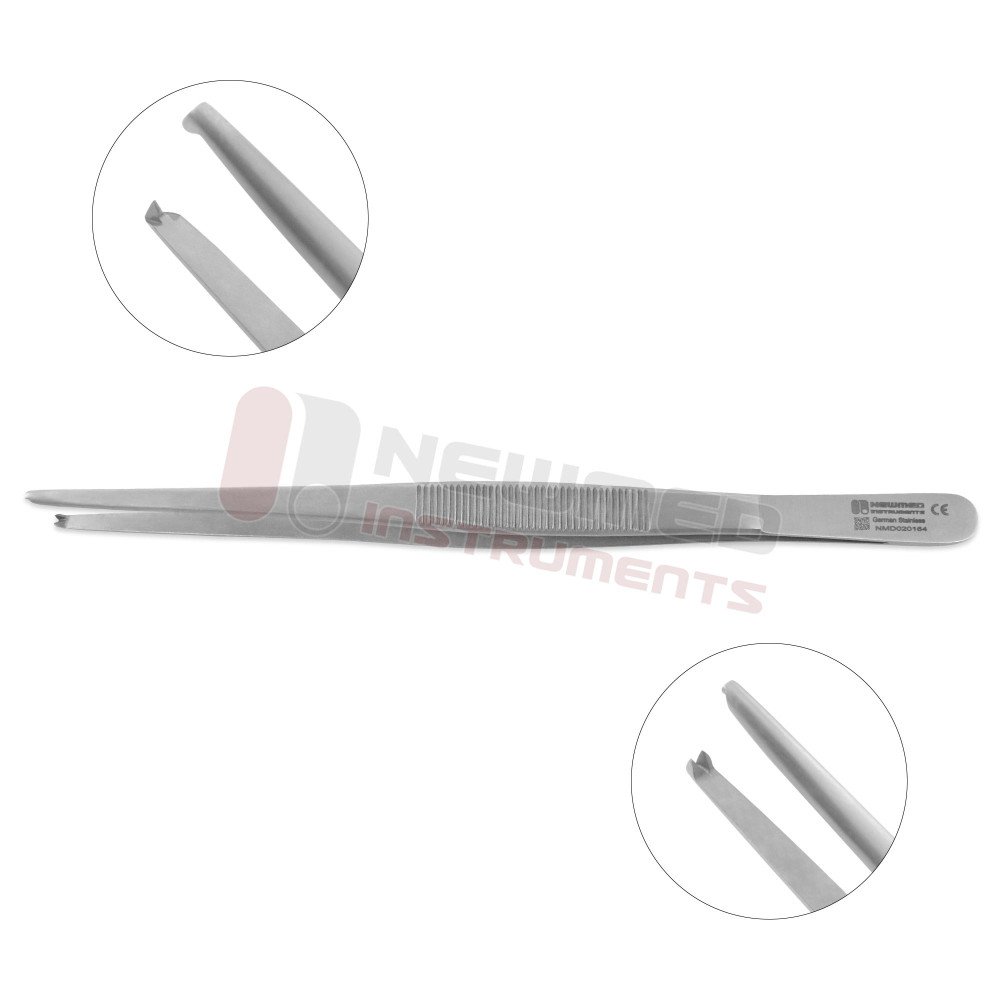
Surgical kits can be broadly categorized into two main groups: non-locking and locking. Non-locking forceps, often referred to as thumb forceps or pickups, function like tweezers. They are used for grasping and holding tissue during suturing or dissection. Their design allows for delicate control and immediate release, making them ideal for handling sensitive structures. Surgeons rely on these instruments for fine maneuvering in tight spaces, where precision is paramount.
Locking forceps, on the other hand, feature a ratchet mechanism that allows them to be clamped in place. This feature is invaluable when a firm, sustained grip is needed, freeing the surgeon’s hands for other tasks. These are commonly used for clamping blood vessels to control bleeding or for holding dense tissues securely. The ability to lock the instrument provides stability and reduces hand fatigue during lengthy procedures, ensuring consistent pressure is applied. The choice between locking and non-locking designs depends entirely on the specific requirements of the surgical step being performed.
Specialized Forceps for Specific Tasks
Beyond the basic division, there is an extensive array of specialized forceps designed for particular tissues and procedures. For instance, Adson forceps are popular thumb forceps with fine, serrated tips, perfect for grasping delicate skin and fascia. In contrast, DeBakey forceps have a unique atraumatic design with longitudinal serrations, which allows for handling blood vessels and other fragile tissues without causing damage. The diversity in the kinds of surgical forceps demonstrates the intricate detail involved in surgical instrument design.
Further specialization can be seen in hemostatic forceps, like Kelly or Crile forceps, which are specifically designed for clamping arteries to control bleeding. Their locking mechanism ensures a secure hold on the vessel. Bone-holding forceps are much larger and more robust, built to grasp and manipulate bones during orthopedic surgery. Each variation, from the length of the shaft to the shape of the tip, is purposefully engineered to enhance a surgeon’s ability to perform with accuracy and confidence.
The Importance of Quality and Service
The effectiveness of any surgical instrument hinges on its quality. Inferior materials or poor craftsmanship can lead to instrument failure, compromising patient safety and the success of the procedure. This is why selecting a trusted supplier is crucial. New Med Instruments is dedicated to providing superior quality surgical instruments and exceptional service to surgeons, students, and healthcare professionals all over the world. The company understands that perfect and precise results for patients are the ultimate goal.
By offering a comprehensive selection of the different kinds of surgical forceps, New Med Instruments ensures that medical professionals have access to the reliable tools they need. This commitment to excellence supports the medical community in its mission to provide the highest standard of care. Every instrument is a testament to the pursuit of perfection in the operating room.
Choosing the Right Instrument
Selecting the appropriate surgical forceps requires a deep understanding of the procedure and the anatomy involved. A surgeon must consider the type of tissue being handled—whether it is delicate, like a nerve, or tough, like fascia. The choice of instrument directly impacts the efficiency of the surgery and the patient’s recovery. Using the wrong forceps can lead to tissue damage, increased bleeding, or a longer operating time.
For this reason, continuous education and familiarity with the various kinds of surgical forceps are essential for surgical teams. As medical technology advances, new instrument designs emerge to meet the challenges of modern surgical techniques, including minimally invasive procedures. Staying informed about these developments allows surgeons to refine their skills and adopt practices that improve patient outcomes.
In conclusion, the world of surgical instruments is vast and nuanced. The many kinds of surgical forceps available are a clear indication of the complexity and specialization within the field of surgery. From simple thumb forceps to complex locking hemostats, each instrument is designed with a specific purpose to aid the surgeon in achieving precision and control. For healthcare professionals who value perfect results, partnering with a supplier like New Med Instruments guarantees access to the high-quality tools necessary to deliver exceptional patient care.