
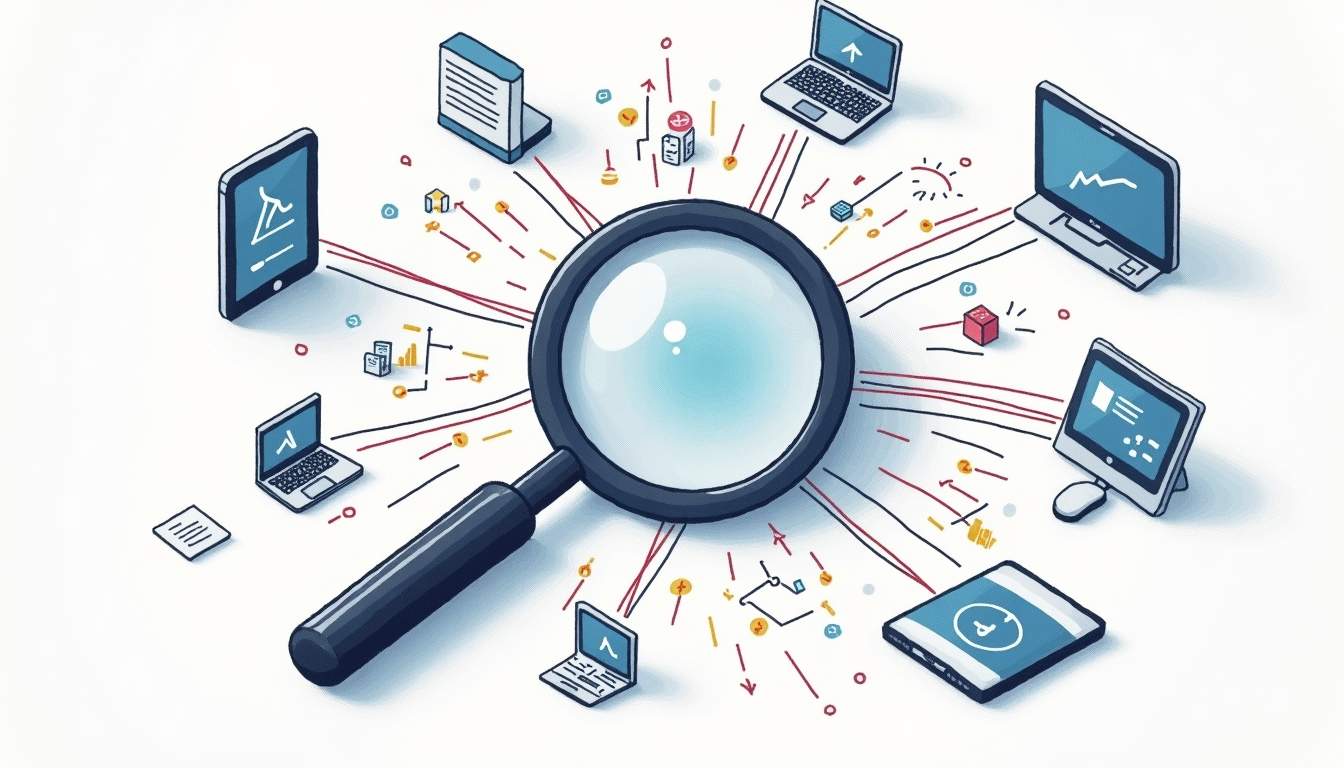
Fraud and theft have evolved far beyond simple shoplifting or check forgery. Rapid technological change, complex financial instruments, and global interconnectedness have created opportunities for sophisticated crimes that cross jurisdictions and exploit institutional weaknesses. This article examines advanced investigative techniques, the role of digital forensics, legal and ethical considerations, and best practices for preventing and mitigating loss. The goal is to provide a practical, modern framework for investigators, compliance professionals, and organizational leaders who need to respond to complex fraud and theft incidents.
Understanding the Landscape of Modern Fraud
Modern fraud schemes are diverse and continually morphing. Traditional methods such as embezzlement and identity theft remain common, but they are frequently augmented or replaced by cyber-enabled approaches: business email compromise (BEC), account takeover, synthetic identity fraud, and ransomware-driven extortion. These schemes often combine low-tech social engineering with high-tech tools like malware and anonymizing services, making attribution and recovery difficult.

In addition to technical sophistication, perpetrators often exploit organizational processes and human behavior. Weak internal controls, poorly segregated duties, and pressure to meet targets can be fertile ground for insider fraud. External fraudsters commonly conduct long reconnaissance phases, injecting small, hard-to-detect transactions that build up over time. Understanding motive, opportunity, and means remains foundational, but investigators must also consider the broader tactical environment that enables these crimes.
Advancements in artificial intelligence and machine learning have further transformed the fraud landscape. Fraudsters leverage AI to generate highly convincing fake identities, automate phishing campaigns, and identify vulnerable targets with precision. Simultaneously, organizations are deploying similar technologies to detect anomalies and patterns indicative of fraud in real time. Despite this technological arms race, the human element—such as employee vigilance and ethical culture—remains a critical line of defense. To learn more about protecting your organization, you can visit Lauth Investigations for expert guidance and support.
The global interconnectedness of commerce also plays a significant role. Fraud schemes often cross international borders, exploiting jurisdictions with lax regulations or limited enforcement capabilities. This transnational dimension complicates investigations and legal actions, requiring enhanced cooperation between private sector entities, law enforcement, and regulatory bodies worldwide. As such, a multi-disciplinary approach that combines technology, policy, and education is essential to mitigate the evolving risks associated with modern fraud.
Advanced Investigative Techniques
Successful investigations require a blend of traditional detective work and advanced analytical capabilities. Timeline reconstruction, source tracing, and link analysis remain staples. However, integrating data science methods—such as anomaly detection, clustering, and predictive modeling—can dramatically increase the speed and accuracy of identifying suspicious activity. Pattern recognition tools help sift through millions of transactions to isolate those that deviate from established baselines.
Cross-functional collaboration amplifies results. Fraud investigators should coordinate with IT, legal, compliance, accounting, and human resources teams to share context and access necessary records. Engagement with external partners—banks, payment processors, and law enforcement—often becomes essential when transactions traverse multiple institutions or countries. Building and maintaining these relationships ahead of incidents creates faster, more effective responses when incidents occur.
Financial Analysis and Trace Techniques
Tracing illicit funds requires both forensic accounting and an understanding of how modern payment rails operate. Investigators must be adept at following complex flows: layered transactions through shell companies, use of prepaid cards, and conversion into cryptocurrencies. Bank statements, SWIFT messages, and payment platform logs provide primary evidence, but reconstructing intent often rests on correlating timestamps, memos, and communication records.
Network and Behavioral Link Analysis
Graph databases and link-analysis software reveal connections that are invisible in tabular transaction reports. Mapping relationships among accounts, IP addresses, devices, and personnel can uncover orchestrated networks of fraud. Behavioral analytics—profiling typical user behaviors and detecting deviations in login times, transaction patterns, and device fingerprints—adds another layer by identifying compromised accounts or insider collusion before substantial loss occurs.
Digital Forensics in Fraud Investigations
Digital forensics is core to modern fraud investigations because so much evidence resides in electronic form. Investigators must preserve digital evidence integrity, document chain-of-custody, and use accepted forensic tools to extract, analyze, and report findings. Forensic imaging of devices, secure collection of log files, and memory capture are routine in sophisticated cases and often reveal artifacts that explain how a breach or fraud was executed.

Cloud environments and remote work create additional complexity. Logs may be distributed across multiple service providers and regions; containers and ephemeral instances leave short-lived traces; and encrypted communications afford investigatory challenges. A practical forensic strategy anticipates these realities: establish rapid legal and technical access pathways, understand provider retention policies, and use specialized cloud forensics tools to collect evidence before it vanishes.
Malware and Incident Response Coordination
When fraud is accompanied by malware or intrusion, a coordinated incident response is necessary. Containment must balance preserving evidence with stopping ongoing theft. Segmentation of affected systems, live forensics on suspect hosts, and reverse-engineering of malicious code can reveal exfiltration paths, credential harvesting, and persistence mechanisms. These findings both support criminal charges and inform remediation efforts to close exploited vectors.
Cryptocurrency Forensics
Cryptocurrencies are attractive to fraudsters due to perceived anonymity and cross-border liquidity. Chain analytics tools allow investigators to track transfers across addresses, identify mixing services, and link on-chain activity to off-chain exchange accounts. While cryptocurrencies introduce specific challenges, the transparency of many blockchains also offers opportunities; once an address is associated with illicit activity, subsequent movement can often be followed and reported to exchanges or law enforcement for action.
Interviewing, Interrogation, and Human Intelligence
Human sources remain a crucial component of fraud investigations. Conducting effective interviews and interrogations requires preparation, rapport-building, and an ability to interpret verbal and nonverbal cues. Structured interview techniques, such as cognitive interviewing and the use of open-ended questions, help elicit detailed recollections while minimizing leading prompts that could contaminate evidence.
Internal witnesses often fear retaliation or career repercussions. Offering appropriate protections, such as confidentiality and whistleblower reporting channels, increases the likelihood of disclosures. When interviewing suspects, investigators must remain legally compliant—understanding employment laws, rights advisories, and jurisdiction-specific rules about recording and coercion—so that statements remain admissible in disciplinary or criminal proceedings.
Evidence Management and Legal Considerations
Maintaining admissible evidence requires meticulous documentation. Chain-of-custody logs, forensic reports, signed affidavits, and preservation notices to third parties are all tools that protect legal viability. Investigators should work closely with counsel to understand disclosure obligations, privilege issues, and the timing of notifications to regulators, customers, and law enforcement.
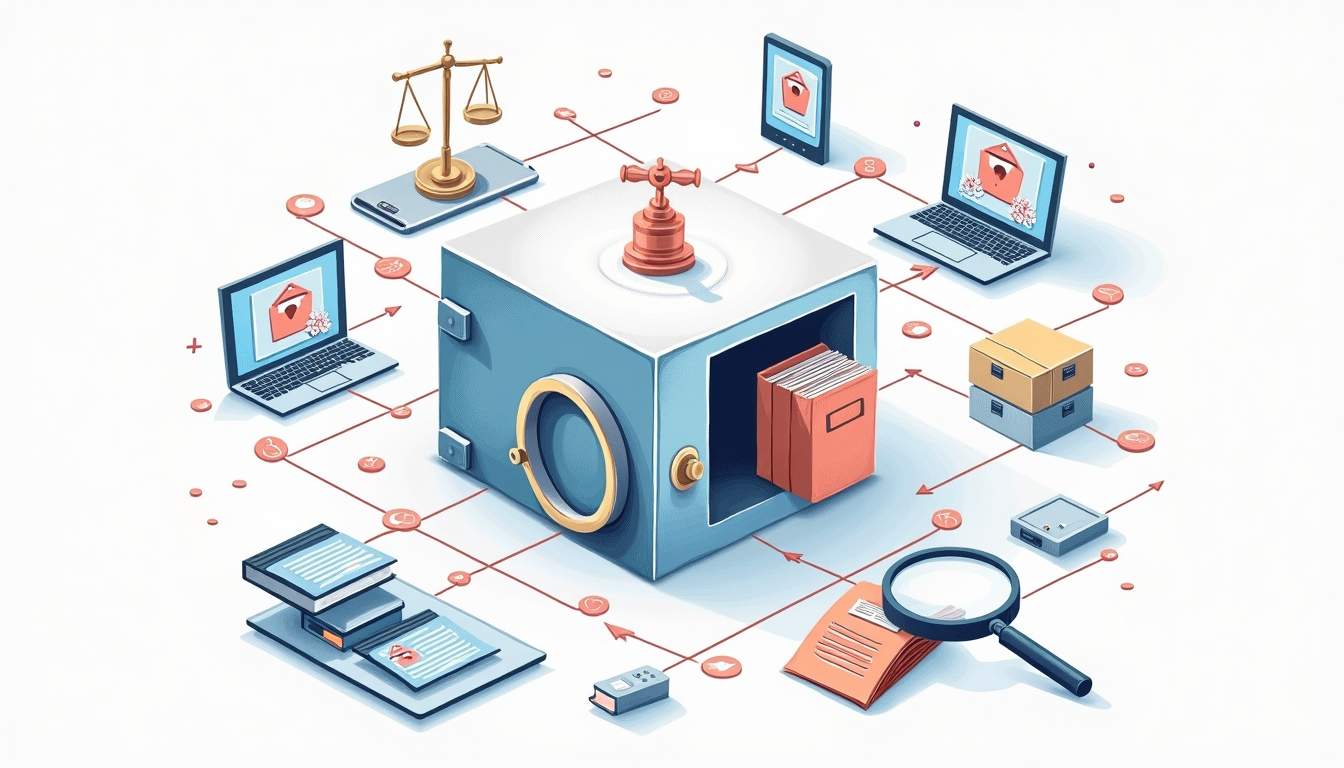
Cross-border investigations introduce additional legal complexity. Mutual legal assistance treaties (MLATs), data protection laws like GDPR, and varying standards for search and seizure can slow or constrain evidence collection. Early legal strategy must weigh the benefits of pursuing international legal instruments versus leveraging cooperative relationships with foreign financial institutions and multinational corporations to obtain voluntary disclosures.
Working with Prosecutors and Civil Litigators
To transform investigative findings into prosecutions or civil recovery, alignment with prosecutors and litigators is essential. Presenting a coherent chain of evidence, clear timelines, and demonstrable losses increases the likelihood of criminal charges or successful recovery suits. Financial experts who can quantify damages and depositions from key witnesses often tip the balance in complex cases.
Prevention, Detection, and Organizational Resilience
Investigations are costly and disruptive; prevention and early detection reduce both harm and reputational damage. Robust internal controls—segregation of duties, authoritative approval limits, and regular reconciliations—reduce opportunity. Continuous monitoring systems that apply machine learning to transaction streams and user behaviors can detect anomalies before they scale into material losses.
Culture and training are equally important. Employees trained to recognize social engineering tactics, suspicious vendor behavior, and policy violations are the first line of defense. Clear escalation paths for reporting concerns, coupled with non-retaliation policies, encourage timely disclosures. Incident response tabletop exercises that include fraud scenarios help refine playbooks and clarify roles before a crisis unfolds.
Insurance and Financial Recovery Strategies
Insurance products such as cyber liability and fidelity bonds can mitigate financial impact, but policy terms vary widely. Close attention to coverage triggers, notification requirements, and exclusions is necessary before relying on insurance proceeds. In parallel, recovery strategies—recovering funds through banking partners, freezing accounts, and civil asset tracing—should be pursued promptly while evidence remains fresh and intermediaries are cooperative.
Emerging Trends and Future Challenges
Artificial intelligence and automation will both help and complicate fraud investigations. AI-driven detection systems can identify subtle patterns faster than humans, but adversaries are also using AI to generate deepfakes, craft phishing at scale, and automate attack campaigns. Regulatory shifts, especially regarding privacy and data sharing, may restrict access to evidence unless proactive frameworks and cross-sector agreements are established.
Another growing challenge is the commoditization of fraud-as-a-service. Marketplaces for malware, stolen credentials, and money-laundering services lower the bar for entry and enable loosely organized groups to execute sophisticated schemes. Investigators and organizations must therefore adopt a threat-intelligence mindset: tracking toolkits, attribution patterns, and emerging fraud commodification trends to anticipate and defend against new campaigns.
Conclusion
Advanced fraud and theft investigations require more than technical skill; they demand a multi-disciplinary approach combining forensic science, financial acumen, legal awareness, and human intelligence. Preparation—through resilient controls, strong relationships with external partners, and ongoing training—reduces both incidence and impact. When incidents do occur, speed, methodical evidence preservation, and collaborative analysis increase the likelihood of successful resolution.
Future success hinges on adaptability. As criminals evolve, so must investigative practices: embrace data analytics, invest in forensic capabilities, and cultivate cross-border cooperation. With these elements in place, organizations and investigators can stay ahead of emerging threats, recover losses more efficiently, and deter would-be fraudsters through accountability and consequence.