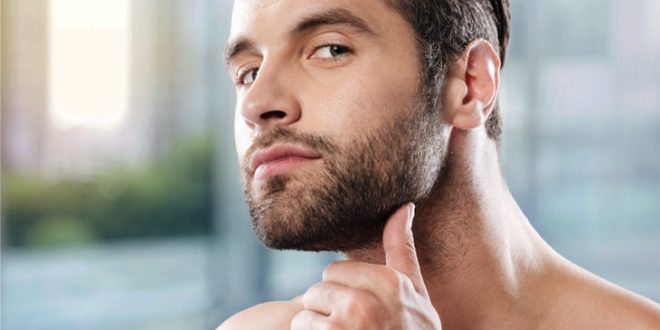
Facial hair has become an important aesthetic feature for many men today. Whether for cultural reasons, personal confidence, or fashion trends, the desire for a thick, well-shaped beard is stronger than ever. However, not every man is naturally gifted with full facial hair growth. Genetics, hormonal imbalance, or scarring can affect beard density. Fortunately, modern medical techniques offer reliable solutions. One of the most effective is a Beard hair transplant in Islamabad, a procedure designed to provide long-term, natural-looking results.
But how permanent is it really? What can you expect after the transplant? And is it truly a one-time investment? This article explores everything you need to know about the permanence of beard transplants and why they are increasingly popular among men seeking a defined, fuller facial appearance.
Understanding Beard Transplants
A beard transplant is a cosmetic surgical procedure that involves transferring hair follicles from one part of the body (usually the back of the scalp) to the beard area. This technique mirrors traditional hair transplant methods and typically uses the Follicular Unit Extraction (FUE) technique.
In FUE, individual follicles are extracted using a micro-punch and implanted into areas of the face where the beard is thin or patchy. The procedure is minimally invasive, performed under local anesthesia, and requires precision for natural results.
Are Beard Transplants Really Permanent?
Yes, in most cases, beard transplants are permanent. This is because the hair follicles used in the procedure are harvested from the scalp’s donor area, which is genetically resistant to hair loss. Once these follicles are implanted in the beard area, they retain their properties and continue to grow as they would on the scalp.
Here’s how permanence is achieved:
-
Root-Level Implantation: The follicles are embedded into the skin at the root level, which allows them to establish new blood supply and grow naturally.
-
Long-Term Growth: After an initial shedding phase (which is normal), the implanted hairs start growing permanently in their new location.
-
Resistant to DHT: Since the donor hairs are resistant to dihydrotestosterone (DHT)—a hormone linked to hair loss—they are less likely to fall out over time.
The Process of Hair Growth After Transplant
Understanding the timeline of hair growth post-transplant is essential for setting realistic expectations. Here’s a general guide:
-
Initial Shedding (2-4 weeks post-procedure): The transplanted hair will typically fall out. This is known as “shock loss” and is a natural part of the healing process.
-
Dormant Phase (up to 3 months): Hair follicles remain under the skin while they adjust to their new location.
-
New Growth (3-6 months): New hair starts growing. Initially, it may be fine or lighter in color.
-
Mature Growth (6-12 months): Hair thickens, darkens, and blends seamlessly with the natural beard.
By the 12-month mark, patients generally see the full, permanent results of their transplant.
Factors Affecting Permanence
While beard transplants are designed to be permanent, certain factors can influence long-term outcomes:
1. Quality of Donor Hair
The density, texture, and health of the donor hair significantly affect the final result. High-quality donor hair ensures a thicker and more consistent beard.
2. Skill of the Surgeon
The surgeon’s experience and precision are crucial. Proper angle, depth, and placement of follicles determine how natural and long-lasting the results appear.
3. Aftercare Compliance
Following post-operative instructions is essential for success. Avoiding smoking, touching the treated area, or strenuous activities can prevent complications and ensure better graft survival.
4. Underlying Health Conditions
Certain medical conditions, like autoimmune diseases or hormonal imbalances, might affect hair regrowth or longevity.
Advantages of Permanent Beard Transplants
Choosing a permanent solution over temporary treatments offers numerous benefits:
-
Natural Appearance: Once fully grown, transplanted hair mimics natural beard hair in texture and growth patterns.
-
Low Maintenance: Unlike cosmetic solutions like beard pens or microblading, transplanted hair grows on its own and can be shaved, styled, or trimmed as normal.
-
Long-Term Cost Efficiency: Though the upfront cost may be higher, the permanent nature eliminates ongoing expenses for temporary fixes.
Common Myths About Beard Transplant Permanence
Myth 1: Beard Hair Will Fall Out After a Few Years
Reality: While initial shedding is part of the process, the hair that regrows is typically permanent.
Myth 2: Touch-Ups Are Always Necessary
Reality: In most successful cases, a single session is enough. Touch-ups may be required only if patients want a denser look or have had a partial transplant initially.
Myth 3: Transplanted Hair Looks Unnatural
Reality: When performed by a qualified professional, the outcome is natural and indistinguishable from non-transplanted beard hair.
Potential Complications and Their Impact on Results
Although beard transplants are generally safe, complications can occur, especially if the procedure isn’t performed by an expert. These may include:
-
Folliculitis: Infection or inflammation of hair follicles, usually preventable with proper hygiene.
-
Scarring: Rare with FUE but possible with poor technique.
-
Poor Graft Survival: Often due to mishandling or insufficient blood supply.
These issues can affect the permanence and appearance of results, which is why selecting a trusted provider is essential.
Long-Term Maintenance Tips for Lasting Results
To ensure your beard transplant stays permanent and healthy, consider the following:
-
Keep Your Skin Healthy: Moisturize and cleanse the skin to avoid irritation.
-
Eat a Balanced Diet: Nutrients like biotin, zinc, and protein support hair health.
-
Regular Trimming: Maintain the shape and length to suit your face.
-
Avoid Harsh Products: Use gentle shampoos and oils made for facial hair.
How to Choose the Right Clinic
The clinic you choose plays a decisive role in the success and permanence of your transplant. Here are qualities to look for:
-
Experience in Facial Hair Restoration: Specialized knowledge leads to better results.
-
Modern Facilities: Advanced tools and sterilized environments reduce risk.
-
Before-and-After Portfolio: Real examples of previous clients provide transparency.
-
Transparent Pricing: A clear breakdown of costs helps you plan your investment.
For individuals considering beard transplants in Pakistan, Dynamic Aesthetic Clinic Islamabad is a reputable option, offering experienced professionals and modern technology tailored for facial hair procedures.
Who is a Suitable Candidate?
While beard transplants are widely effective, they are not ideal for everyone. You may be a good candidate if you:
-
Have sufficient donor hair at the back of your scalp.
-
Are in good overall health.
-
Do not have severe skin conditions or infections.
-
Have realistic expectations about results.
A consultation is necessary to assess your unique facial structure, hair type, and personal goals.
Cost Considerations
The cost of a beard transplant varies depending on:
-
Extent of Coverage: Full-beard transplants cost more than patchy fill-ins.
-
Number of Grafts: More grafts mean more surgical time and higher fees.
-
Surgeon’s Experience: Experts may charge more, but they also offer higher success rates.
-
Clinic Location: Clinics in major cities may have higher overheads.
While cost is a factor, it’s important to prioritize quality and safety over affordability.
Psychological and Social Impact
Beyond aesthetics, beard transplants can profoundly impact a person’s self-esteem and social confidence. Many men report improved body image, stronger self-identity, and reduced anxiety in social settings after achieving their desired beard appearance.
Conclusion
Beard transplants are more than a trend—they’re a life-changing procedure for many men who want to achieve permanent, natural facial hair growth. With modern surgical techniques, especially when performed by experienced professionals, the results are not only long-lasting but also virtually indistinguishable from natural beards.
However, permanence depends on several factors including the quality of donor hair, surgical skill, and aftercare. By choosing a reputable clinic, understanding the process, and maintaining healthy habits post-procedure, patients can enjoy the full benefits of their investment for a lifetime. If you’re ready to move beyond temporary solutions and patchy growth, a beard transplant may be the answer you’ve been searching for.