In today’s high-demand power systems, uninterrupted electrical service is not just a luxury—it’s a necessity. Whether it’s a large-scale industrial setup or a regional grid, any unexpected interruption can lead to substantial financial losses, equipment damage, and safety hazards. One of the critical components in ensuring system reliability is the SF6 (Sulfur Hexafluoride) circuit breaker—a high-voltage breaker widely used due to its excellent arc-quenching and insulation properties. However, like all high-performance equipment, it requires regular inspection and maintenance to function optimally.
Why SF6 Breakers Need Routine Inspection
SF6 circuit breakers are known for their durability and performance, but their reliability heavily depends on regular condition monitoring. The presence of SF6 gas under pressure helps extinguish arcs and insulate electrical contacts. Over time, this gas can degrade or leak, and internal components may wear out, compromising breaker performance.
Routine inspections not only help maintain the optimal working condition of SF6 breakers but also ensure the safety of personnel and equipment. Preventive maintenance significantly reduces the risk of unplanned outages, thus avoiding costly downtime.
Key Benefits of Routine SF6 Breaker Inspections
- Early Fault Detection
Routine inspections can identify early signs of wear and tear, corrosion, moisture ingress, or gas leakage. Detecting these issues early allows for timely corrective action, preventing minor problems from escalating into major failures. - Gas Integrity Monitoring
One of the critical elements of SF6 breakers is the gas pressure and quality. Inspections help ensure the gas density remains within the recommended range and check for contaminants like moisture or decomposition byproducts that can reduce insulation capacity. - Prolonged Equipment Life
Regularly monitoring the mechanical and electrical components helps extend the life of the circuit breaker. Timely replacement of worn parts and maintaining optimal gas conditions protect the breaker from severe damage. - Compliance with Safety Standards
Many industries are governed by strict electrical safety regulations. Routine inspections help ensure compliance with ISO, IEC, or local safety norms, minimizing liability and ensuring workplace safety. - Avoiding Costly Downtime
Perhaps the most compelling reason—routine inspections significantly reduce the chance of unexpected failure. This translates to fewer emergency repairs, minimal service interruptions, and lower operational costs.
What to Include in a Routine Inspection
A well-planned inspection should be comprehensive and follow the manufacturer’s recommendations along with industry best practices. Some key elements include:
- Visual Inspection: Look for signs of physical damage, oil or SF6 leakage, corrosion, and secure connections.
- SF6 Gas Analysis: Check gas pressure, moisture content, and purity. Use portable gas analyzers to detect SF6 decomposition products like SO₂, HF, or SOF₂.
- Contact Resistance Measurement: High contact resistance can lead to overheating. Regular measurement ensures efficient current transfer.
- Insulation Testing: Measure insulation resistance to detect deterioration in the dielectric system.
- Mechanical Operation Test: Check operating mechanisms for smooth movement, timing, and alignment.
- Thermal Imaging: Infrared cameras can detect hot spots or abnormal heating that indicate contact or conductor issues.
Common Problems Detected During Inspections
- Gas Leaks: Over time, seals may degrade, causing SF6 to escape, reducing dielectric strength.
- Contaminated Gas: Moisture and arc byproducts can make the gas conductive, leading to insulation failure.
- Worn Contacts: Frequent operations or fault interruptions cause contact erosion, increasing resistance and heat.
- Aging Operating Mechanisms: Springs and linkages can lose tension or become misaligned, affecting breaker timing.
Digital Tools & Condition Monitoring Systems
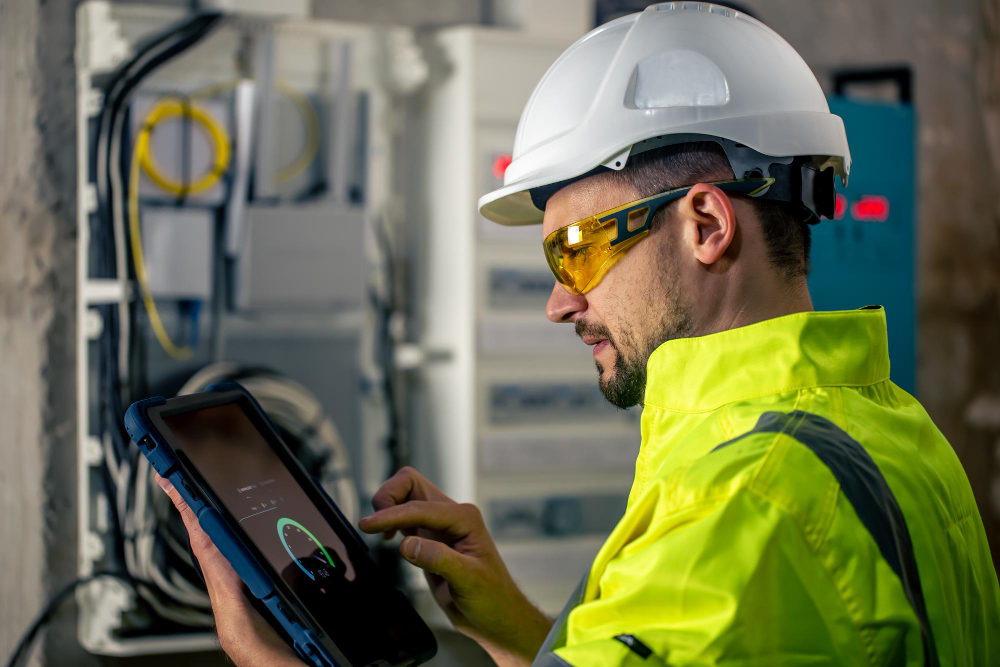
Modern SF6 breakers are often integrated with digital monitoring systems that continuously track gas pressure, contact wear, and operational data. These tools enable predictive maintenance, allowing engineers to schedule service before a failure occurs.
Condition monitoring doesn’t replace manual inspections but complements them by offering real-time data and early warnings. Incorporating IoT and AI analytics further enhances predictive accuracy, helping avoid unplanned outages.
Best Practices for SF6 Breaker Inspection Schedules
While inspection frequency can vary based on usage, environment, and manufacturer guidelines, a typical schedule includes:
- Annual visual and mechanical inspection
- Bi-annual gas analysis
- Major overhauls every 5 to 10 years or after a specified number of operations
More frequent inspections may be required in extreme environmental conditions or for heavily loaded breakers.
Environmental and Safety Considerations
SF6 is a potent greenhouse gas. During maintenance or replacement, proper gas handling and recovery procedures must be followed to prevent atmospheric release. Technicians must be trained in handling SF6 safely, and facilities should be equipped with recovery units and leak detection systems.
Conclusion
Avoiding downtime in modern electrical networks isn’t just about having the best equipment—it’s about maintaining it properly. Routine SF6 breaker inspections are a vital part of that strategy. They ensure safety, reliability, and compliance while preventing unforeseen breakdowns that can disrupt operations and damage reputations.
By implementing a consistent inspection schedule, utilizing digital tools, and training personnel effectively, organizations can maximize their return on investment and ensure uninterrupted service. After all, a few hours spent in routine maintenance can save countless hours—and dollars—in unplanned downtime.
Ensure long-term reliability and safety of your electrical systems with professional SF6 Breaker Servicing. Regular maintenance not only extends the life of your breakers but also helps avoid costly downtime.