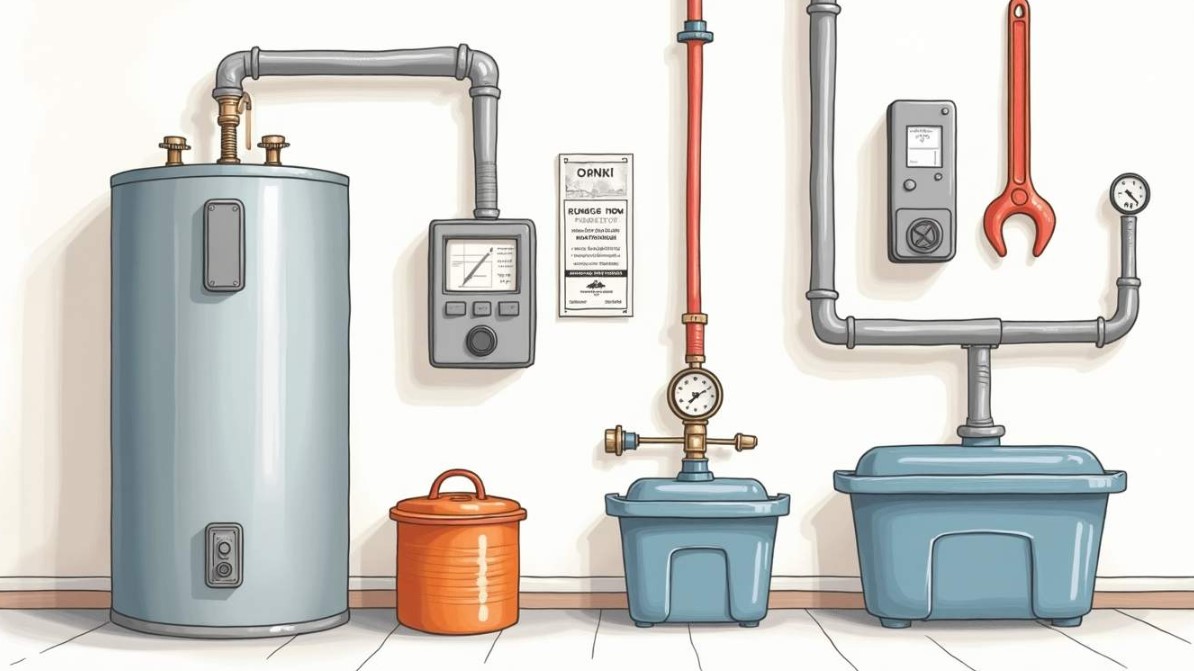
Water heaters are essential appliances in most homes, providing the comfort of hot water for showers, cleaning, cooking, and more. Despite their importance, water heaters often go unnoticed until a problem arises. Regular maintenance and safety checks can extend the life of your water heater, improve its efficiency, and prevent potentially dangerous situations. This comprehensive guide covers best practices for maintaining your water heater and ensuring it operates safely.
Understanding Your Water Heater
Before diving into maintenance tips, it’s important to understand the basics of how water heaters work and the different types available. This knowledge will help you tailor your care routine and recognize when professional help is needed.
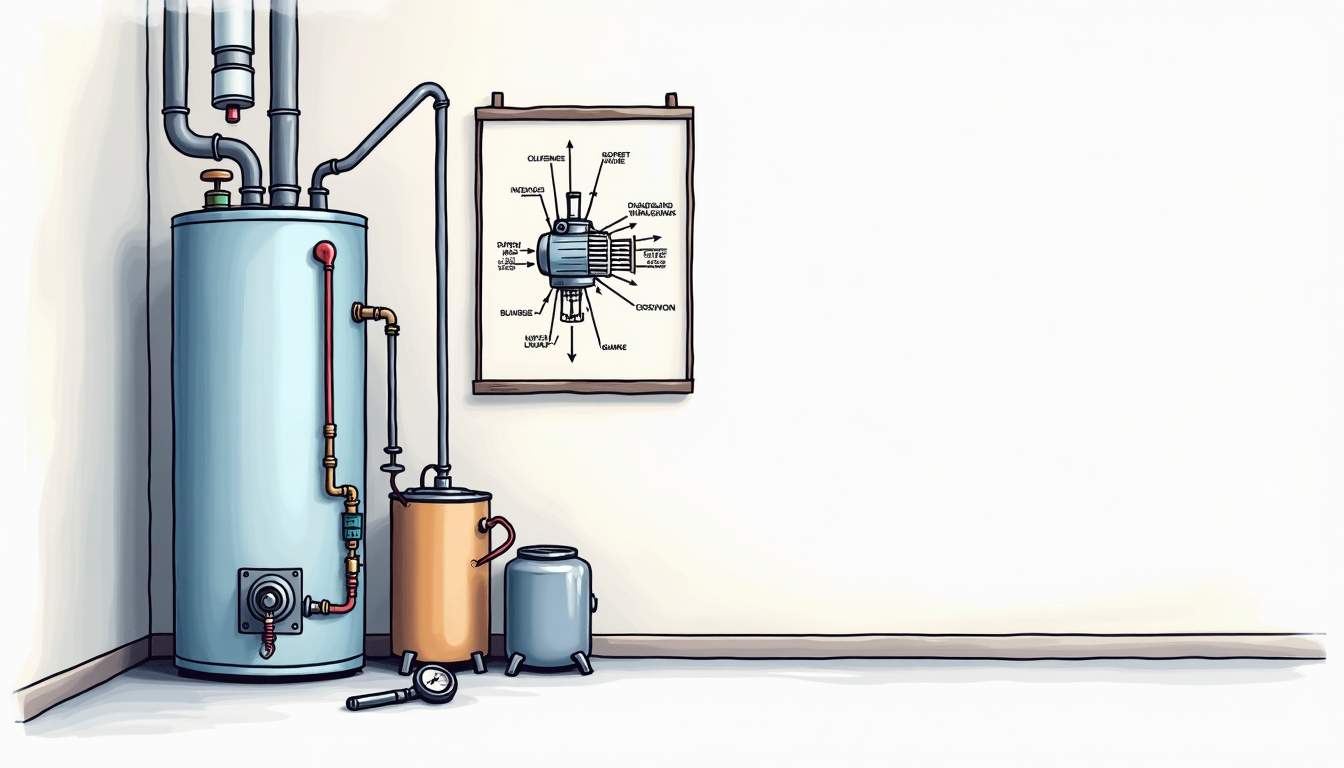
Types of Water Heaters
There are several types of water heaters commonly used in homes:
- Tank Water Heaters: These store a set amount of hot water in a tank, keeping it heated and ready for use. Typically, they come in various sizes, ranging from 20 to 80 gallons, allowing homeowners to choose based on their hot water needs.
- Tankless (On-Demand) Water Heaters: These heat water only when needed, offering energy savings and an endless hot water supply. They are particularly advantageous for larger households or homes with high hot water demands, as they can be installed at multiple points of use.
- Heat Pump Water Heaters: These use electricity to move heat from the air or ground to heat water, making them highly energy-efficient. They can be a great option for homeowners looking to reduce their carbon footprint, as they typically use less energy than traditional electric water heaters.
- Solar Water Heaters: Utilizing solar panels, these systems use sunlight to heat water, reducing electricity or gas consumption. They are an excellent long-term investment, especially in sunny regions, as they can significantly lower utility bills over time.
Each type has unique maintenance requirements, but many safety principles apply universally. Regular checks, such as inspecting for leaks and ensuring proper insulation, can prolong the life of any water heater.
How Water Heaters Work
Most water heaters operate by heating water through an electric element or a gas burner. The heated water is stored in a tank or delivered on demand. A thermostat regulates the temperature, and safety devices like pressure relief valves prevent dangerous pressure buildup. Understanding these components helps in identifying issues early and performing effective maintenance. For instance, if you notice fluctuating water temperatures, it could indicate a malfunctioning thermostat or sediment buildup in the tank.
Additionally, water quality plays a crucial role in the efficiency and longevity of your water heater. Hard water, which contains high levels of minerals like calcium and magnesium, can lead to scale buildup inside the tank and pipes. This not only reduces heating efficiency but can also shorten the lifespan of the unit. To combat this, consider installing a water softener or regularly flushing your water heater to remove sediment. By being proactive about water quality and maintenance, you can ensure that your water heater operates smoothly and efficiently for years to come. For expert assistance, you can visit Plumber Singapore to get professional guidance and reliable water heater services.
Routine Maintenance for Longevity and Efficiency
Regular maintenance is key to keeping your water heater functioning efficiently and extending its lifespan. Neglecting upkeep can lead to reduced performance, higher energy bills, and costly repairs.
Inspect the Temperature Setting
One of the simplest yet most important checks is the thermostat setting. The recommended temperature is typically 120°F (49°C). Setting the temperature too high can increase energy consumption and the risk of scalding, while too low a setting might not provide sufficient hot water or encourage bacterial growth.
Adjusting the thermostat is usually straightforward and can be done with a screwdriver or dial, depending on your model. If you’re unsure, consult the user manual or a professional technician.
Flush the Tank Annually
Over time, sediment and minerals from water accumulate at the bottom of the tank, especially in areas with hard water. This buildup can reduce heating efficiency and cause damage to the tank lining.
Flushing the tank once a year helps remove these deposits. To do this:
- Turn off the power supply or gas to the water heater.
- Connect a garden hose to the drain valve at the bottom of the tank.
- Open the valve and drain the water until it runs clear.
- Close the valve, remove the hose, and refill the tank before turning the power or gas back on.
If sediment buildup is severe or you’re uncomfortable performing this task, a professional plumber can handle it safely.
Check the Anode Rod
The anode rod is a crucial component that prevents rust inside the tank by attracting corrosive elements. Over time, it deteriorates and needs replacement to maintain tank integrity.
Inspect the anode rod every 2-3 years by unscrewing it from the top of the tank. If it’s heavily corroded or less than ½ inch thick, it’s time to replace it. This simple maintenance step can significantly extend the life of your water heater.
Inspect and Test the Pressure Relief Valve
The temperature and pressure relief (T&P) valve is a vital safety feature that releases excess pressure to prevent tank explosions. Testing it regularly ensures it functions correctly.
To test the valve:
- Place a bucket under the discharge pipe connected to the valve.
- Lift the valve’s lever to let some water out.
- Release the lever and ensure water flow stops immediately.
If the valve leaks or doesn’t release water, it should be replaced promptly by a professional.
Safety Considerations for Water Heater Use
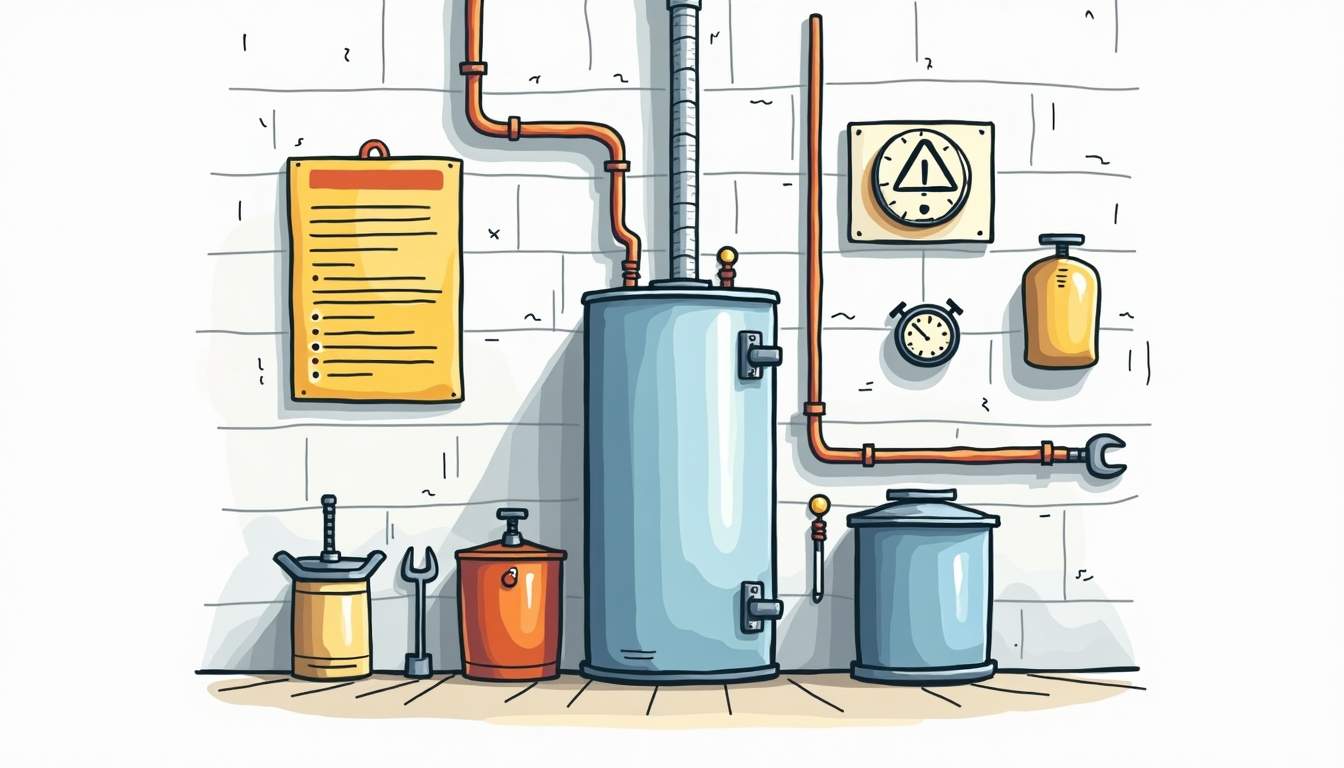
Water heaters involve heat, pressure, and sometimes combustible fuels, so safety is paramount. Following these guidelines helps prevent accidents and protects your home and family.
Prevent Scalding Injuries
Hot water can cause severe burns, especially to children and elderly individuals. Setting your water heater thermostat to 120°F minimizes this risk while still providing comfortable hot water.
Installing anti-scald devices on faucets and showerheads adds an extra layer of protection by regulating water temperature at the point of use.
Ensure Proper Ventilation for Gas Water Heaters
Gas water heaters require adequate ventilation to safely expel combustion gases like carbon monoxide. Poor ventilation can lead to dangerous buildup of these gases inside your home.
Regularly inspect the venting system for blockages, corrosion, or damage. If you notice any unusual odors, soot marks, or pilot light issues, contact a professional immediately.
Install Carbon Monoxide Detectors
Carbon monoxide (CO) is a colorless, odorless gas produced by incomplete combustion. Gas water heaters can be a source if not functioning properly.
Installing CO detectors near your water heater and sleeping areas provides early warning of dangerous gas levels, allowing for prompt evacuation and emergency response.
Keep the Area Around the Water Heater Clear
Combustible materials such as paint, cleaning supplies, or paper products should never be stored near the water heater. Maintain at least a 2-foot clearance around the unit to prevent fire hazards and allow proper airflow.
When to Call a Professional
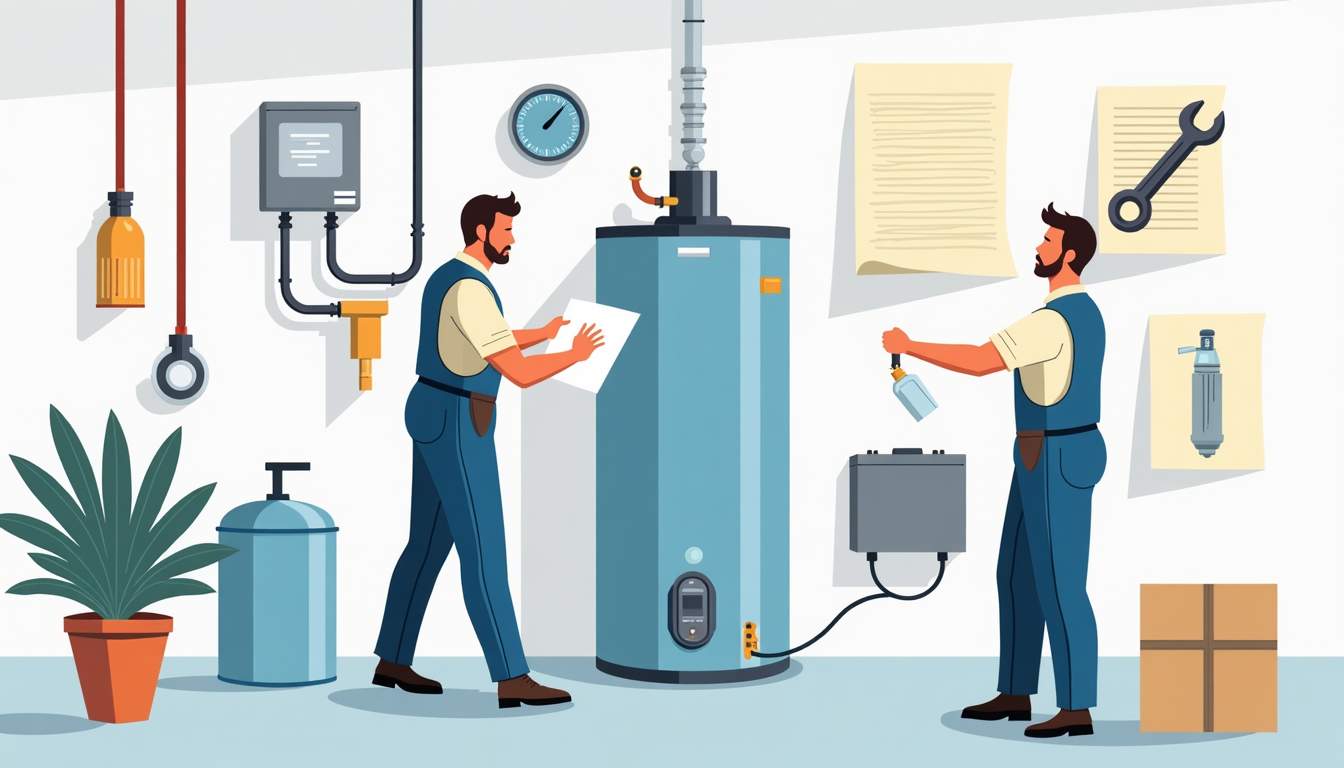
While many maintenance tasks can be performed by homeowners, some situations require the expertise of a licensed plumber or HVAC technician. Knowing when to seek professional help can save time, money, and ensure safety.
Unusual Noises or Leaks
Strange banging, popping, or rumbling sounds often indicate sediment buildup or other internal issues. Similarly, water pooling around the base of the heater signals leaks that need immediate attention.
Ignoring these signs can lead to tank failure or water damage, so arrange for an inspection promptly.
Failure to Heat Water Properly
If your water heater struggles to maintain temperature or runs out of hot water quickly, it may be time for repairs or replacement. Issues with heating elements, thermostats, or gas burners require specialized tools and knowledge.
Replacing Old Units
Water heaters typically last 8-12 years. If your unit is approaching or exceeding this age, consider replacing it with a newer, more energy-efficient model. Professionals can help you select the right size and type for your household needs.
Energy-Saving Tips for Water Heater Use
Beyond maintenance and safety, optimizing your water heater’s energy use can reduce utility bills and environmental impact.
Insulate the Water Heater and Pipes
Insulating your water heater tank and the first few feet of hot water pipes helps retain heat, reducing energy consumption. Specially designed insulation blankets and pipe wraps are affordable and easy to install.
Use Water-Efficient Fixtures
Low-flow showerheads and faucets decrease hot water usage without sacrificing performance. This reduces the demand on your water heater and lowers energy costs.
Consider Upgrading to a Tankless or Heat Pump Water Heater
Modern water heaters offer significant energy savings compared to traditional models. Tankless units heat water on demand, eliminating standby heat loss, while heat pump water heaters use ambient air to heat water efficiently.
Though the upfront cost may be higher, these systems can pay for themselves over time through reduced energy bills.
Conclusion
Proper maintenance and safety practices are essential for the reliable and efficient operation of your water heater. Regular inspections, flushing, and component checks can extend the life of your unit and prevent costly repairs or hazardous situations.
Always prioritize safety by ensuring proper ventilation, testing safety valves, and installing carbon monoxide detectors if you have a gas water heater. When in doubt, don’t hesitate to call a professional for repairs or replacement advice.
By following these best practices, homeowners can enjoy consistent hot water, lower energy bills, and peace of mind knowing their water heater is safe and well-maintained.