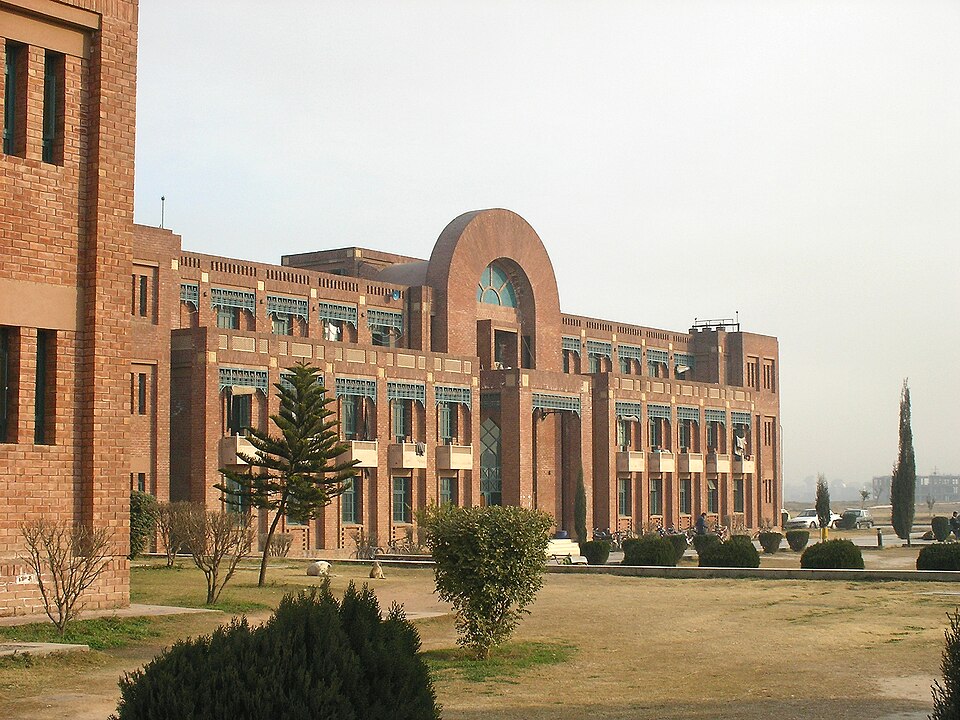
Civil engineering is one of the oldest and most respected fields of engineering, responsible for designing, constructing, and maintaining the infrastructure that defines modern civilization. From bridges and roads to skyscrapers and water systems, civil engineers are the backbone of urban and rural development. In Pakistan, particularly in Gujrat, the demand for qualified civil engineers is growing rapidly as the region continues to modernize and expand its industrial and residential sectors. Pursuing a BS Civil Engineering in Gujrat, Pakistan offers students a unique opportunity to acquire both theoretical knowledge and practical skills that are essential in shaping the nation’s future.
The Importance of Civil Engineering in Pakistan
Civil engineering plays a vital role in Pakistan’s economic and social progress. As the country focuses on infrastructure development through major projects like the China-Pakistan Economic Corridor (CPEC), hydropower dams, smart cities, and housing societies, the need for skilled civil engineers has become more pronounced. Gujrat, a city known for its industrial significance and growing educational sector, stands as a promising hub for aspiring engineers. Universities in Gujrat are now offering comprehensive BS Civil Engineering programs that meet international standards, ensuring graduates are prepared to contribute effectively to Pakistan’s developmental needs.
Why Choose Gujrat for BS Civil Engineering
Gujrat, located in the Punjab province of Pakistan, has become a center for quality education and innovation in recent years. It is home to several reputed universities that provide excellent engineering programs, state-of-the-art laboratories, and highly qualified faculty. Choosing to study BS Civil Engineering in Gujrat, Pakistan offers students an affordable yet high-quality education, a blend of academic rigor and hands-on experience, and a vibrant student environment.
The universities in Gujrat maintain collaborations with local industries, construction companies, and governmental organizations, offering students opportunities for internships and field training. This practical exposure allows them to bridge the gap between theory and real-world applications, preparing them for successful careers in both the public and private sectors.
Structure of the BS Civil Engineering Program
The BS Civil Engineering program in Gujrat typically spans four years and is divided into eight semesters. The curriculum is designed to cover a broad spectrum of topics, including fundamental sciences, core engineering principles, design courses, and management subjects. Students begin with foundational courses such as mathematics, physics, and computer-aided design before moving into specialized areas like structural engineering, transportation engineering, geotechnical engineering, environmental engineering, and construction management.
Throughout the program, students participate in laboratory experiments, field surveys, and design projects that enhance their problem-solving and analytical skills. Final-year projects are particularly crucial as they allow students to apply their knowledge to real-world engineering problems, often in collaboration with industry experts. This comprehensive approach ensures that graduates of BS Civil Engineering in Gujrat, Pakistan are not only technically proficient but also capable of innovative and sustainable thinking.
State-of-the-Art Facilities and Laboratories
One of the key strengths of civil engineering programs in Gujrat lies in the availability of modern facilities and well-equipped laboratories. Universities have invested significantly in establishing structural mechanics labs, fluid mechanics labs, soil testing labs, and material testing units that meet international standards. These facilities provide students with hands-on experience using advanced tools and testing methods, preparing them for the complex demands of the engineering profession.
In addition to physical infrastructure, students benefit from digital learning environments that include simulation software for design and analysis. Programs such as AutoCAD, STAAD Pro, and SAP2000 are integrated into the coursework to enhance students’ technical competence. These resources make studying BS Civil Engineering in Gujrat, Pakistan an experience that combines tradition with innovation.
Faculty and Research Opportunities
The success of any academic program depends largely on the expertise of its faculty, and Gujrat’s universities take pride in having highly qualified educators and researchers in civil engineering. Most instructors possess advanced degrees from leading institutions in Pakistan and abroad, ensuring that students receive an education grounded in both academic excellence and practical relevance.
Research is also a growing focus within the civil engineering departments of Gujrat’s universities. Students and faculty engage in projects addressing Pakistan’s unique infrastructural challenges, such as flood control, soil erosion, sustainable construction materials, and earthquake-resistant designs. The emphasis on research encourages students to think critically and contribute new ideas to the ever-evolving field of civil engineering.
Career Opportunities for Graduates
A BS Civil Engineering degree from Gujrat, Pakistan opens doors to a wide range of career opportunities both nationally and internationally. Graduates can pursue careers in construction, transportation, water resources, and environmental sectors. Common job roles include structural engineer, site engineer, project manager, geotechnical engineer, environmental consultant, and design engineer.
The rapid urbanization of Pakistan and ongoing infrastructure development projects ensure that civil engineers remain in high demand. Additionally, graduates from Gujrat often find opportunities with international engineering firms operating in the Middle East, Europe, and North America. Some choose to continue their studies by pursuing master’s or doctoral degrees in specialized fields such as structural design, hydrology, or construction management.
The Role of Accreditation and Quality Assurance
When choosing a BS Civil Engineering program in Gujrat, Pakistan, accreditation is an essential factor to consider. Accredited programs are recognized by the Pakistan Engineering Council (PEC), which ensures that the curriculum meets national standards and graduates are eligible for professional registration as engineers. Gujrat’s universities with PEC accreditation provide assurance of quality education, making their degrees respected and valuable in both local and international markets.
Accreditation also ensures that students receive training aligned with the latest technological developments and global engineering practices. This not only enhances employability but also fosters a strong sense of professional ethics and responsibility among graduates.
Practical Experience and Industrial Linkages
One of the distinguishing features of civil engineering education in Gujrat is its strong connection with the local construction industry. Universities actively collaborate with construction companies, government agencies, and consultancy firms to provide students with internship placements and on-site training. This hands-on exposure is invaluable in helping students understand the practical aspects of engineering design, project management, and safety regulations.
Through industrial visits and workshops, students witness firsthand how theoretical concepts are applied in large-scale infrastructure projects such as highways, bridges, and high-rise buildings. This blend of academic learning and professional experience ensures that graduates of BS Civil Engineering in Gujrat, Pakistan are ready to meet the demands of the engineering world immediately after graduation.
The Economic and Social Impact of Civil Engineering
Civil engineers play a critical role in shaping Pakistan’s future by contributing to sustainable development, urban planning, and disaster management. Gujrat, with its expanding urban landscape, relies heavily on the expertise of civil engineers to design efficient road networks, sewage systems, and public buildings. The contributions of civil engineers go beyond physical structures; they improve the quality of life by creating safer, more efficient, and environmentally friendly communities.
As climate change and resource scarcity become pressing global issues, civil engineers from Gujrat are being trained to adopt sustainable construction practices, utilize green materials, and design energy-efficient systems. Their role is not just about building structures but also about building resilience and sustainability into the heart of modern society.
Scholarships and Financial Support
To promote higher education in engineering, several universities and organizations in Gujrat offer scholarships and financial aid to deserving students. These scholarships may be merit-based, need-based, or sponsored by government and private sector entities. The availability of financial support makes pursuing a BS Civil Engineering in Gujrat, Pakistan accessible to students from diverse socioeconomic backgrounds, allowing talent and dedication to flourish regardless of financial limitations.
In addition, universities often provide career counseling and guidance to help students plan their future pathways effectively. This holistic support system ensures that every student receives not just education but also mentorship and direction in achieving their career goals.
The Future of Civil Engineering Education in Gujrat
The future of civil engineering education in Gujrat looks promising. As technology continues to evolve, the curriculum is being updated to include courses in artificial intelligence, smart construction materials, 3D printing, and sustainable design. Universities are emphasizing innovation and entrepreneurship, encouraging students to develop solutions that address Pakistan’s infrastructural challenges creatively and efficiently.
Moreover, partnerships between academia, industry, and government are strengthening, leading to more research opportunities and better job placements for graduates. The continuous improvement of educational standards ensures that Gujrat will remain a prominent destination for engineering education in Pakistan.
Conclusion
Pursuing a BS Civil Engineering in Gujrat, Pakistan is an excellent choice for students who aspire to play a role in shaping the country’s infrastructure and contributing to sustainable development. The city offers a rich blend of academic excellence, industrial exposure, and cultural vibrancy, making it an ideal place to study this prestigious discipline. With modern facilities, qualified faculty, research opportunities, and a growing demand for skilled engineers, Gujrat provides everything a student needs to build a successful and impactful career in civil engineering.
By choosing to study in Gujrat, future civil engineers are not only investing in their own careers but also in the progress and development of Pakistan as a whole. The path of civil engineering is challenging yet deeply rewarding, offering the satisfaction of creating tangible structures that improve lives and stand as monuments of human achievement. In essence, BS Civil Engineering in Gujrat, Pakistan is not just a degree—it is a journey toward building the future, brick by brick.