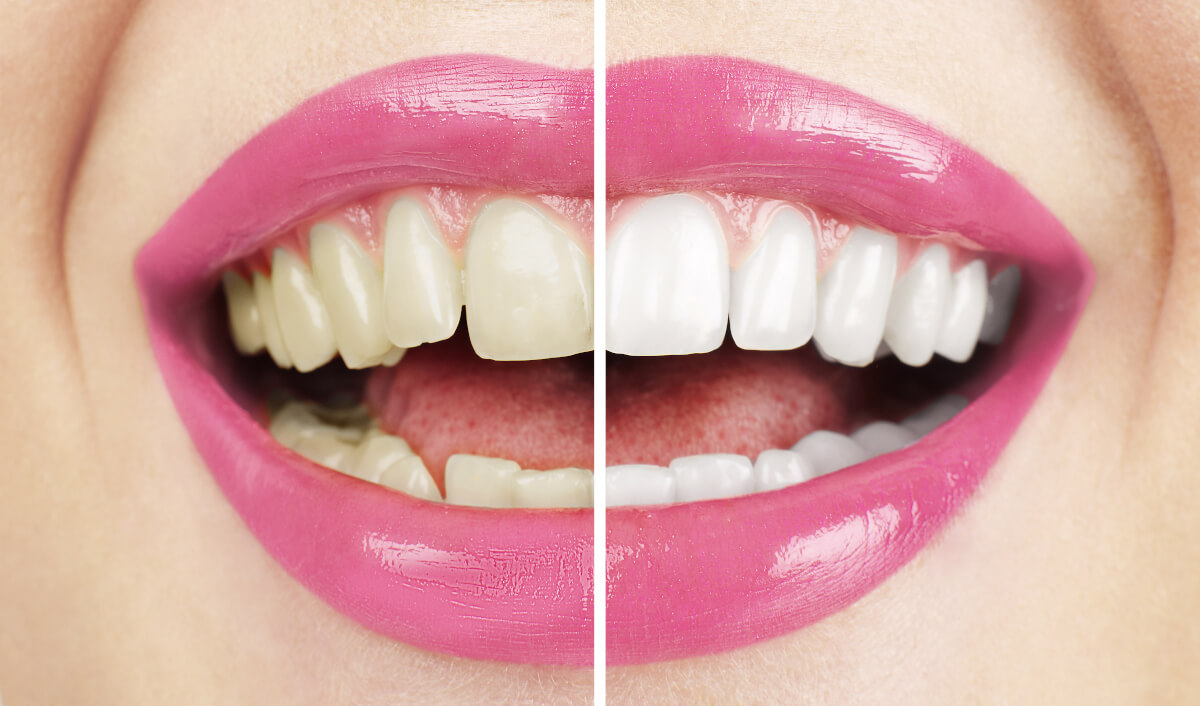
Genetic tooth discoloration occurs when the natural shade of teeth is influenced by inherited traits rather than lifestyle or environmental factors. Unlike stains caused by food, beverages, or smoking, genetic discoloration affects the internal structure and color of the teeth. Some people naturally have teeth that appear more yellow, gray, or even slightly brown due to the thickness of enamel or the color of dentin underneath. This type of discoloration can feel frustrating because it is not something that brushing or routine oral care can easily change.
How Teeth Whitening Works
Teeth Whitening Dubai treatments are designed to lighten the appearance of teeth by targeting stains and discoloration. These treatments work primarily by breaking down molecules that cause discoloration on the tooth surface and sometimes within the enamel itself. When successful, whitening can brighten teeth by several shades, giving them a fresher and more uniform appearance. However, whitening is usually most effective for stains caused by external factors such as coffee, tea, or tobacco.
Can Whitening Remove Genetic Discoloration?
When discoloration is genetic, whitening may have limited results compared to cases of surface staining. Because the color variation comes from deeper within the tooth’s structure, traditional whitening methods may not always achieve the desired brightness. Still, this does not mean whitening has no effect. Some individuals may see noticeable improvements, while others might find only slight changes. The outcome depends largely on the natural shade of the dentin and the thickness of the enamel.
Factors That Influence Results
Several factors play a role in how effective whitening is for genetic discoloration:
Enamel Thickness
Thicker enamel tends to appear whiter, while thinner enamel allows the yellowish dentin beneath to show through more prominently. Inherited enamel thickness influences whether whitening treatments will deliver significant brightness.
Shade of Dentin
Dentin is the layer beneath the enamel, and its natural color varies from person to person. If dentin has a naturally darker shade, whitening might not dramatically alter the overall tooth color.
Type of Whitening Method
Some whitening approaches work better on deeper stains than others. While external stains respond quickly, intrinsic discoloration caused by genetics may require more time and persistence for visible results.
Is Whitening Worth Trying for Genetic Discoloration?
Even though genetic discoloration is harder to change, many people still find whitening worth trying. Even a slight improvement can boost confidence and create a brighter smile. The key is to have realistic expectations and understand that results may vary depending on the natural composition of the teeth.
Alternative Cosmetic Solutions
For individuals seeking more dramatic changes, other cosmetic treatments exist that can cover or mask genetic discoloration. These methods focus on improving the aesthetic appearance rather than changing the natural tooth color. While whitening may still provide a boost, some people choose to explore additional options if they desire a uniform and brighter smile.
Importance of Managing Expectations
Having a clear understanding of what whitening can and cannot do is essential. Genetic tooth discoloration is unique, and the outcome of whitening will not be identical for everyone. For some, the results may be subtle, while others could see a more noticeable improvement. Setting realistic goals helps ensure satisfaction with the process.
Maintaining Whitened Teeth
While whitening may not fully remove genetic discoloration, maintaining good habits can help keep teeth looking their best after treatment. Regular care supports the longevity of results and enhances the natural brightness of the smile. Avoiding stain-causing substances such as coffee and certain foods also helps preserve the lighter shade achieved through whitening.
FAQs
Can genetic tooth discoloration be completely removed with whitening?
Whitening may lighten genetic discoloration to some extent, but it often cannot completely remove it since the cause lies in the tooth’s structure.
Why do some people have naturally darker teeth?
Genetic factors determine the thickness of enamel and the natural color of dentin, both of which influence how light or dark teeth appear.
Is there a difference between surface stains and genetic discoloration?
Yes, surface stains are caused by external factors like food and drinks, while genetic discoloration is inherited and affects the internal structure of teeth.
What should someone expect when whitening genetically discolored teeth?
They should expect some improvement but understand that whitening results may be less dramatic compared to whitening surface stains.
Can lifestyle changes improve genetic discoloration?
Lifestyle changes may prevent additional staining, but they cannot alter the natural color caused by genetics.
Final Thoughts
Teeth Whitening in Dubai is a popular choice for achieving a brighter smile, but when it comes to genetic tooth discoloration, results can vary. While some individuals may see noticeable changes, others may find only subtle improvements. The effectiveness depends on factors such as enamel thickness and dentin shade. Even if whitening cannot completely transform genetically discolored teeth, it can still make them look fresher and more radiant. For those seeking a more uniform appearance, exploring additional cosmetic options may be worthwhile. Ultimately, understanding the limitations of whitening for genetic discoloration ensures a positive experience and realistic expectations for a brighter smile.