Introduction
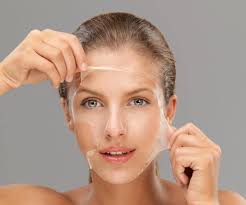
Hyperpigmentation, including dark spots, sun damage, and uneven skin tone, is a common concern for many individuals. One of the most effective treatments to address this issue is chemical peels in Dubai. By removing damaged skin layers and stimulating regeneration, chemical peels can significantly improve skin tone and clarity.
This guide will explain how chemical peels help with hyperpigmentation, the types of peels available, preparation, procedure, post-care, and tips for achieving long-lasting results.
What Is Hyperpigmentation?
Hyperpigmentation occurs when excess melanin, the pigment responsible for skin color, accumulates in certain areas. Common causes include:
-
Sun exposure
-
Acne scars
-
Hormonal changes
-
Aging
-
Skin injuries or inflammation
The result is dark patches or uneven skin tone, which can affect confidence and appearance.
How Chemical Peels Help Treat Hyperpigmentation
Chemical peels work by:
-
Exfoliating Damaged Layers: Removing the outer layer of pigmented skin
-
Promoting Cell Turnover: Stimulating new skin cell production
-
Regulating Melanin Production: Preventing excess pigment accumulation
-
Boosting Collagen and Elastin: Improving skin texture and firmness
Regular treatments can lead to more even, radiant, and youthful-looking skin.
Types of Chemical Peels for Hyperpigmentation
Superficial Peels
-
Mild acids such as glycolic or lactic acid
-
Target surface pigmentation
-
Minimal downtime
Medium Peels
-
Use trichloroacetic acid (TCA) or stronger AHAs
-
Penetrate deeper layers to treat moderate pigmentation
-
Require longer recovery
Deep Peels
-
Typically phenol-based
-
Treat severe pigmentation and sun damage
-
Require professional supervision and extended healing
Preparing for a Chemical Peel
Proper preparation is essential for safe and effective results:
-
Consult a professional to choose the right peel
-
Avoid sun exposure to prevent complications
-
Stop using retinoids, strong acids, or exfoliants as advised
-
Keep skin hydrated for optimal response
What to Expect During the Procedure
-
Cleansing: Skin is cleaned to remove impurities
-
Application: Acid solution applied evenly to pigmented areas
-
Reaction: Mild tingling or stinging may occur
-
Neutralization: Peel neutralized according to type
-
Aftercare: Moisturizers and post-procedure instructions provided
Superficial peels take about 20–30 minutes; medium and deep peels may take longer.
Post-Care and Recovery
-
Avoid direct sunlight and apply SPF 30+ regularly
-
Moisturize frequently to prevent dryness
-
Do not pick peeling skin
-
Use gentle cleansers and recommended serums
-
Recovery timeline: superficial (3–7 days), medium (7–14 days), deep (2–4 weeks)
Tips to Maximize Results
-
Follow professional advice for peel type and frequency
-
Protect skin from sun exposure consistently
-
Avoid harsh skincare products during recovery
-
Maintain hydration and a balanced diet to support skin regeneration
Who Can Benefit from Chemical Peels for Hyperpigmentation?
-
Individuals with sun spots or age spots
-
People with post-acne pigmentation
-
Those with uneven skin tone or dull skin
-
Anyone seeking clearer, radiant skin
Professional consultation ensures safe, effective treatment for all skin types.
Risks and Side Effects
While chemical peels are generally safe, potential side effects include:
-
Mild redness or irritation
-
Temporary peeling or sensitivity
-
Rare cases of scarring or pigmentation changes
Choosing a professional clinic and following proper aftercare minimizes risks.
Conclusion
Chemical peels in Dubai are a highly effective solution for treating hyperpigmentation and achieving even, radiant skin. By exfoliating damaged layers, stimulating regeneration, and regulating melanin, these treatments help restore confidence and a youthful glow.
For expert chemical peel treatments and personalized guidance, visit Tajmeels Clinic. Their team ensures safe, advanced procedures to help you achieve smooth, clear, and healthy skin.