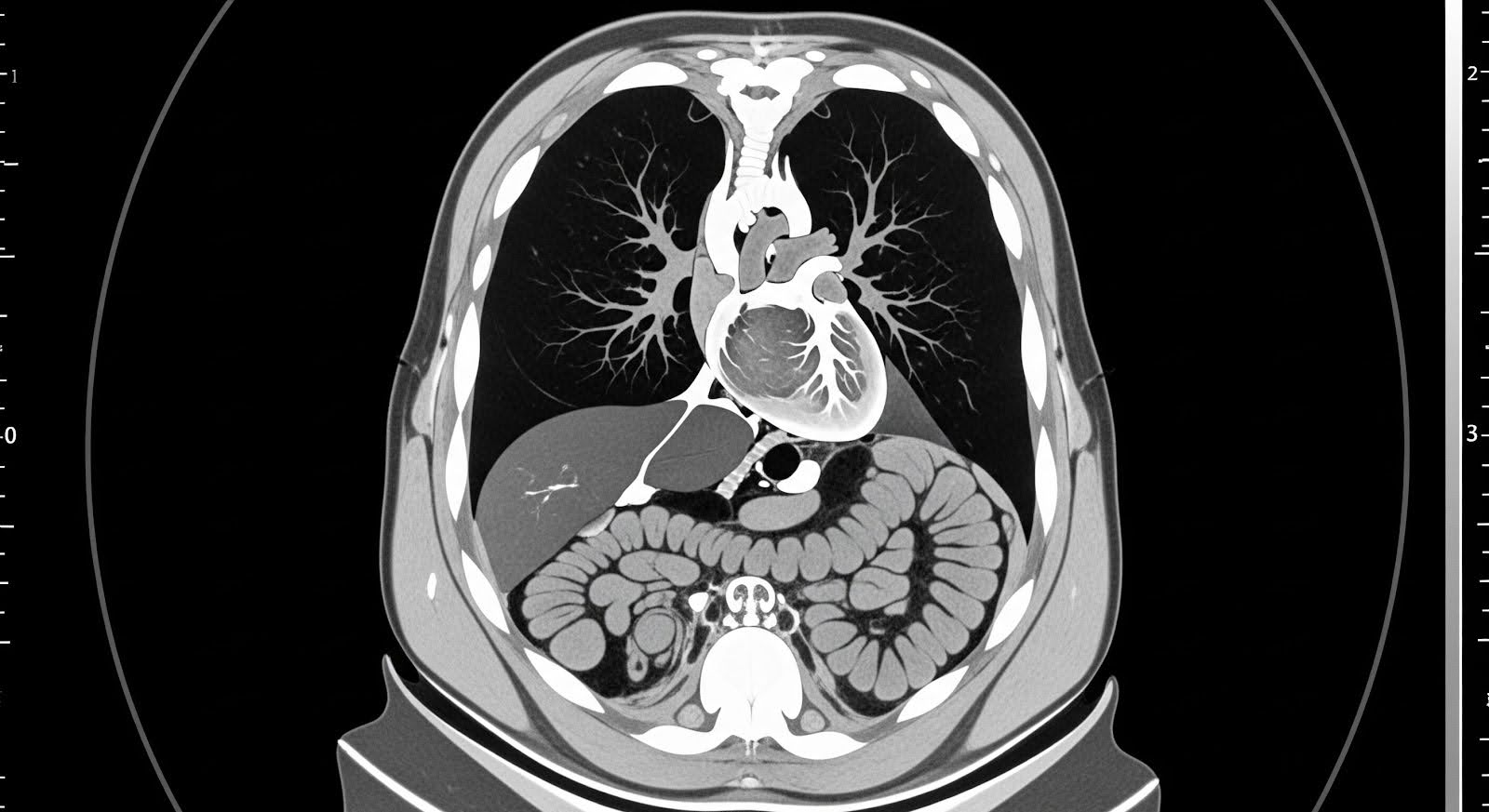
The role of advanced medical imaging in modern healthcare has never been more vital, serving as a critical first step in accurately diagnosing a vast array of health conditions.
From subtle bone fractures and internal injuries to the early detection of cancerous tumors and complex vascular diseases, the insights provided by technology like Computed Tomography (CT) scans are indispensable for physicians to plan effective treatment strategies.
Selecting a reliable CT scan center in Houston is not just about convenience; it is a crucial decision that directly impacts the accuracy of your diagnostic results, which, in turn, dictates the efficacy and timeliness of your medical care.
Recognizing this profound responsibility, providers like One Step Diagnostic have established a clear commitment to leveraging state-of-the-art technology and expert medical staff to ensure every patient receives the highest standard of care and the most precise imaging results possible.
What Is a CT Scan & Why It’s Used
A CT scan is a sophisticated, non-invasive imaging procedure that has revolutionized diagnostic medicine, offering physicians a detailed cross-sectional look inside the human body that simple X-rays cannot provide.
Unlike traditional X-rays, which only produce a single, flat image, a CT scanner uses a rotating X-ray beam and a series of detectors to take hundreds of pictures from various angles, which a computer then processes to create detailed, three-dimensional images of internal organs, bones, soft tissues, and blood vessels.
This capability makes the CT scan an invaluable tool for swiftly identifying and evaluating a wide spectrum of health issues, often in emergency situations where time is critical for the patient’s prognosis.
Computed Tomography (CT) Imaging and How It Works
Computed Tomography (CT) is an advanced medical imaging procedure that uses computer processing to combine multiple X-ray measurements taken from different angles to produce tomographic—or cross-sectional—images of the body. The patient lies on a table that slides into a doughnut-shaped machine called a gantry, where the X-ray tube and electronic detectors rotate around them, generating detailed “slices” of the body’s internal structures.
Common Uses: Detecting Internal Injuries, Tumors, Vascular Conditions, and More
CT scans are routinely employed for a wide range of diagnostic purposes, including quickly assessing patients who have suffered trauma to detect internal bleeding or injuries to organs, bones, and soft tissue. They are also essential in oncology for locating, measuring, and monitoring tumors, in addition to diagnosing and evaluating various vascular conditions, such as pulmonary embolisms or aneurysms, by providing clear images of blood flow.
Differences vs. MRI, X-ray, and Ultrasound
While CT scans, X-rays, MRI (Magnetic Resonance Imaging), and ultrasound are all forms of medical imaging, they use different technologies and serve distinct purposes. X-rays use a small dose of radiation to create 2D images, primarily showing bone structure; CT scans also use X-rays but produce detailed 3D cross-sections of both soft tissue and bone; MRIs use powerful magnets and radio waves, not radiation, to produce exceptionally detailed soft tissue images; and ultrasounds use high-frequency sound waves to create real-time images, often used for obstetrics or imaging superficial structures.
Key Criteria When Choosing a CT Scan Center
Choosing a CT scan center goes beyond simply finding the nearest facility; it requires a critical evaluation of several factors to ensure you receive the safest, most accurate, and comfortable diagnostic experience possible. A center that excels in all these areas offers the best chance for a timely and precise diagnosis, which is the foundation of effective medical treatment. Taking the time to research these criteria before your procedure is an essential step in advocating for your own healthcare.
Equipment & Technology — Modern Scanners, Low-Dose Radiation Protocols
It’s crucial to select a center that utilizes state-of-the-art CT scanners, as newer models offer higher-resolution images and faster scan times, which is essential for accuracy. Furthermore, modern equipment should incorporate advanced features like low-dose radiation protocols (sometimes called dose reduction software), which significantly minimize the amount of radiation exposure to the patient without compromising image quality.
Radiologist Expertise — Board-Certified Radiologists Interpreting Scans
The accuracy of your diagnosis rests heavily on the expertise of the physician reading the images; therefore, always verify that the center’s images are interpreted by board-certified radiologists. These specialists have undergone rigorous training in medical imaging and possess the specialized knowledge required to accurately identify subtle abnormalities, ensuring your doctor receives the most reliable diagnostic report.
Patient Comfort & Safety — Safety Protocols, Patient Support, Clean Facility
A top-tier center prioritizes patient safety through strict adherence to established protocols, including careful screening for allergies or medical conditions that might interact with contrast agents. They also offer patient support for those with anxiety or claustrophobia and maintain an impeccably clean and organized facility, which underscores their commitment to a positive and secure patient experience.
Location & Accessibility — Easy Access from Residential or Hospital Areas
When dealing with health concerns, convenience is a significant factor; look for a center with a location that is easily accessible from your home, workplace, or referring physician’s office, especially if follow-up scans are required. Ample, convenient parking and flexible scheduling options are also important considerations that help reduce stress on the day of your appointment.
Insurance & Affordability — Coverage, Transparency in Billing
Before scheduling, confirm that the center is in-network with your specific health insurance provider to maximize coverage and minimize out-of-pocket costs. Always request transparency in billing and ask for a detailed estimate of the total procedure cost, including the scan and the radiologist’s fee, to avoid unexpected financial surprises later on.
Benefits of a Top-Tier CT Scan Center
Opting for a premium CT scan center provides benefits that extend far beyond simply acquiring an image; it ensures a foundation of trust and quality that permeates the entire healthcare process. These advantages are essential for patients who require complex or urgent diagnostic information, ultimately contributing to better health outcomes and a more positive experience during a potentially stressful time.
Faster and More Accurate Diagnosis
High-quality imaging centers use superior equipment and have refined operational workflows that translate directly to faster scan times and, crucially, quicker turnaround for results. When board-certified radiologists interpret high-resolution images, the likelihood of a subtle finding being missed is minimized, resulting in an accurate diagnosis that allows treatment to begin without unnecessary delays.
Enhanced Treatment Planning & Follow-up Care
An accurate and detailed CT report provides your treating physician with the clear, unambiguous information needed to develop the most effective treatment plan, whether that involves surgery, medication, or targeted radiation. Furthermore, having consistent, high-quality records from a reliable center simplifies follow-up care, enabling precise comparison scans to accurately monitor a condition’s progression or the success of a therapy over time.
Peace of Mind for Patients and Families
Knowing that a trusted, reputable facility is handling a critical diagnostic step provides immense peace of mind for both the patient and their family. The combination of advanced technology, expert medical staff, and transparent communication reduces anxiety and instills confidence that the health decision being made is based on the most precise and reliable data available.
Why One Step Diagnostic Is a Trusted CT Scan Center in Houston
In the competitive Houston healthcare landscape, One Step Diagnostic stands out as a reliable and patient-focused provider committed to delivering world-class imaging services. They have strategically positioned themselves to meet the high standards of accuracy, efficiency, and compassion that patients deserve, ensuring that every CT scan contributes positively to the patient’s overall healthcare journey. The center has invested heavily in both its technology and its personnel to offer a seamless, supportive experience.
State-of-the-Art CT Scanning Equipment
One Step Diagnostic utilizes the latest generation of CT scanning technology, which not only captures exceptional image clarity but also adheres to the lowest possible radiation dose protocols. This commitment to using advanced, precise equipment ensures that physicians receive the diagnostic quality they need while patients benefit from the highest standards of safety.
Skilled Radiologists and Patient-Centered Staff
The facility boasts a team of highly skilled, board-certified radiologists who specialize in reading complex images and providing insightful, accurate reports. Complementing the medical expertise is a patient-centered administrative and technical staff dedicated to ensuring smooth scheduling, clear communication, and compassionate care throughout the entire process.
Multiple Houston-Area Locations for Convenience
Understanding the need for convenient access across a large metropolitan area like Houston, One Step Diagnostic has established multiple diagnostic locations. This network of facilities allows patients to select the center closest to their home or work, minimizing travel time and making essential diagnostic imaging more accessible.
Emphasis on Quality, Speed, and Compassionate Care
One Step Diagnostic operates under the core principles of delivering uncompromising quality in their images, ensuring fast turnaround times for results, and maintaining an environment of compassionate care. This triple focus guarantees a diagnostic experience that is both medically reliable and emotionally supportive for patients facing health uncertainty.
For reliable imaging, patients choose One Step Diagnostic as their CT scan center in Houston.
Patient Tips: What to Expect During Your CT Scan
Preparing for a CT scan and knowing what to expect during the procedure can significantly reduce anxiety and help ensure the highest quality images are obtained. Communication with the center’s staff is key, but understanding the general process beforehand allows you to arrive prepared and focus on following the technologist’s instructions. These procedures are typically fast and straightforward, with the entire process rarely taking more than an hour.
How to Prepare (Fast, Clothing, Contrast Instructions)
Depending on the type of scan you are having, you may be instructed to fast (not eat or drink) for several hours beforehand, particularly if a contrast agent is going to be used, which helps highlight specific areas in the body. You should wear comfortable, loose-fitting clothing without zippers or metal fasteners, or you may be asked to change into a hospital gown. If an intravenous (IV) contrast dye is needed, staff will provide explicit instructions on any special preparations, and the dye will be administered just before or during the scan to enhance the visibility of blood vessels and certain tissues.
What Happens During the Scan (Duration, Sounds, Breathing Instructions)
Upon entering the CT suite, you will lie on a narrow, motorized table that slides into the center of the large, donut-shaped CT scanner machine (the gantry). The machine will make soft whirring or clicking sounds as the gantry rotates around you during the scan, which typically lasts only a few minutes.
Throughout the process, the technologist will monitor you from an adjacent control room and give you clear breathing instructions (e.g., “Take a deep breath and hold it”) to ensure you remain perfectly still and that the images are not blurred by movement.
Aftercare and When to Expect Results
Following the scan, if you received an IV contrast injection, you will typically be advised to drink plenty of water to help flush the contrast dye quickly out of your system. You can immediately resume your normal activities unless otherwise instructed by the technologist or your doctor.
The images will then be interpreted by the radiologist, who will prepare a formal report, and the results are typically sent to your referring physician within 24 to 48 hours, who will then communicate the findings to you and discuss the next steps.
Get Accurate Diagnosis
The journey toward an accurate diagnosis begins with a critical choice: the facility you trust to perform your medical imaging.
Selecting the right CT scan center in Houston is a non-negotiable step in safeguarding your health, ensuring that the foundational information guiding your treatment is both timely and reliable.
For anyone in need of advanced diagnostic imaging, whether due to new symptoms or a referral from a primary care physician, it is essential to prioritize quality, technology, and expert care.
Encouraging readers with symptoms or referrals to consider scheduling at a trusted provider is the first step toward clarity and effective care.
Contact One Step Diagnostic to schedule your CT scan and get timely, expert imaging care.