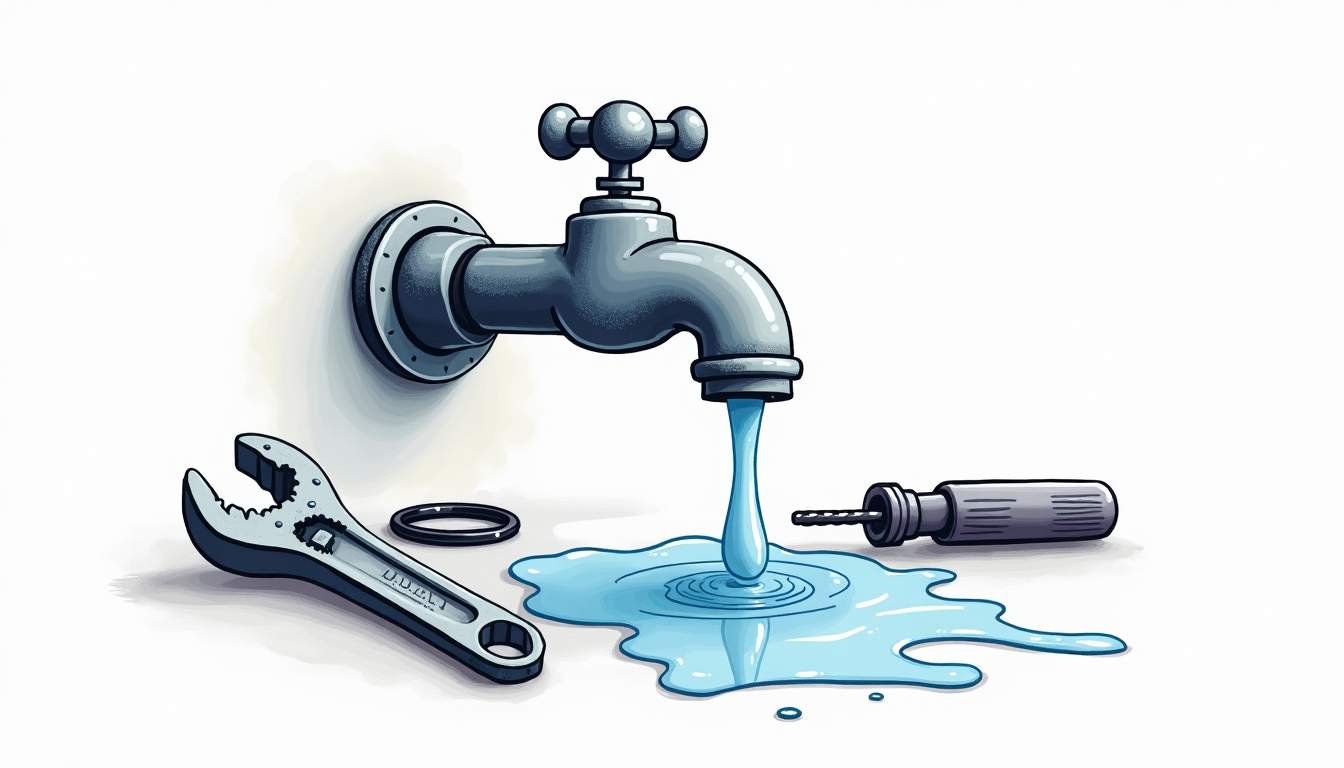
There’s nothing quite as annoying as a tap that just won’t stop dripping. That constant drip-drip-drip not only wastes water but can also hike up your utility bills and even damage your sink or countertop over time. Before you call a plumber, it’s worth understanding what’s causing the leak and whether it’s something you can fix yourself.
Why Do Taps Leak?
Leaking taps are one of the most common household plumbing issues. The reasons behind a dripping tap can be surprisingly simple, often related to worn-out parts or build-up inside the faucet. Over time, the constant use of taps causes seals and washers to degrade, leading to leaks. Sometimes, mineral deposits from hard water can clog or damage components, making the tap drip or leak.

Understanding the type of tap you have is important because the repair approach differs. The most common types are compression taps, cartridge taps, ceramic disc taps, and ball taps. Each has its own mechanism and common failure points.
Compression taps, for example, are characterized by their straightforward mechanism, which involves a rubber washer that compresses against a valve seat to stop the flow of water. Over time, this washer can wear out, leading to leaks. On the other hand, cartridge taps utilize a cartridge that controls the flow and temperature of the water. If the cartridge becomes damaged or worn, it can result in a persistent drip. Understanding these nuances not only helps in identifying the problem but also assists in selecting the right replacement parts for an effective repair, if you need professional assistance, visit Plumber Singapore for expert guidance.
Moreover, regular maintenance can significantly extend the life of your taps and prevent leaks from developing in the first place. Simple practices such as periodically checking for signs of wear, cleaning aerators to remove mineral deposits, and ensuring that the tap is turned off properly can make a big difference. In households with hard water, installing a water softener can also reduce the mineral build-up that often leads to leaks. By being proactive, homeowners can save both water and money while maintaining the functionality of their plumbing fixtures, or visit Plumber Singapore for reliable maintenance services.
Common Causes of Leaking Taps
1. Worn-Out Washers
In compression taps, the washer is the most frequent culprit behind leaks. This small rubber or silicone disc sits at the base of the valve and creates a seal when the tap is off. Over time, the washer gets flattened, cracked, or hardened, which prevents it from sealing properly and causes water to drip out.
Replacing the washer is usually straightforward and inexpensive. It’s a good idea to carry out this fix early because a worn washer can cause damage to other parts of the tap if left unattended. Additionally, if you notice that your tap is leaking frequently, it may be a sign of underlying plumbing issues that could require professional attention. Regular maintenance can help prevent these problems from escalating, ensuring your taps function smoothly for years to come.
2. Damaged O-Rings
O-rings are small rubber rings that fit around the valve stem to create a watertight seal. When these rings wear out or become brittle, water can leak around the handle or from the spout. This is common in cartridge and ball taps.
Replacing O-rings requires disassembling the tap handle and stem, but it’s a manageable DIY task with the right tools and instructions. Make sure to get the correct size and type of O-ring for your particular tap model. It’s also wise to lubricate the new O-ring with plumber’s grease before installation, as this can enhance its lifespan and improve the seal, reducing the likelihood of future leaks.
3. Corroded Valve Seat
The valve seat connects the tap faucet to the spout and is another common source of leaks. Over time, water deposits and corrosion can cause the valve seat to become rough or cracked. This prevents the washer or seal from sitting flush, leading to drips.
Fixing a corroded valve seat involves cleaning or grinding down the seat to smooth it out. In severe cases, the valve seat may need to be replaced entirely. This is a bit more advanced but still doable with patience. If you’re unsure about the process, consider consulting a plumbing professional who can provide guidance or perform the repair for you. Regularly inspecting the valve seat can help catch issues before they lead to more significant leaks.
4. Loose or Worn-Out Parts
Sometimes, leaks happen simply because parts inside the tap have become loose or worn out. Screws, nuts, and other fittings can loosen over time due to regular use or vibrations. Tightening these parts can often stop the leak.
Check for any obvious signs of wear or looseness around the handle and spout. If tightening doesn’t help, replacing the worn parts might be necessary. It’s also beneficial to keep an eye on the overall condition of your taps and fixtures; sometimes, a simple adjustment can save you from a costly repair down the line. Regular maintenance checks can help ensure that all components are secure and functioning correctly, prolonging the life of your plumbing fixtures.
5. High Water Pressure
Excessively high water pressure can cause taps to leak or drip. When the pressure is too high, it can force water through seals and joints that would otherwise hold firm. This issue is less about worn parts and more about the overall plumbing system.
You can test your home’s water pressure with a gauge and, if it’s too high, install a pressure-reducing valve. This can protect your taps and other plumbing fixtures from damage. Additionally, high water pressure can lead to other plumbing issues, such as burst pipes or noisy plumbing, which can be disruptive and costly to repair. Monitoring your water pressure regularly can help you maintain a healthy plumbing system and prevent future leaks.
“`
How to Fix a Leaking Tap: Step-by-Step Guide
Fixing a leaking tap doesn’t have to be intimidating. With some basic tools and a bit of patience, most leaks can be resolved quickly. Here’s a general guide to help you through the process.

Tools You’ll Need
- Adjustable wrench or spanner
- Screwdrivers (flathead and Phillips)
- Replacement washers and O-rings
- Valve seat grinder or emery cloth (optional)
- Plumber’s grease
- Cloth or rag
- Bucket or bowl to catch water
Step 1: Turn Off the Water Supply
Before starting any repairs, locate the water shut-off valve under the sink or the main water supply and turn it off. Open the tap to drain any remaining water in the pipes. This prevents water from spilling everywhere when you dismantle the tap.
Step 2: Remove the Tap Handle
Most tap handles are secured with a screw, often hidden under a decorative cap. Pry off the cap gently with a flathead screwdriver and unscrew the handle. Keep all screws and parts organized so you don’t lose anything.
Step 3: Inspect and Remove the Valve Stem
Once the handle is off, you’ll see the valve stem or cartridge. Use an adjustable wrench to unscrew it carefully. Inspect the valve stem for any obvious damage or wear.
Step 4: Replace the Washer and O-Rings
If you have a compression tap, remove the washer at the base of the valve stem and replace it with a new one. For cartridge or ball taps, check the O-rings and replace any that look cracked or worn. Apply a little plumber’s grease to the new parts to help them fit smoothly and last longer.
Step 5: Check the Valve Seat
Look inside the tap body where the valve stem sits to find the valve seat. If it looks corroded or rough, use a valve seat grinder or emery cloth to smooth it out. Be gentle and check frequently to avoid over-grinding.
Step 6: Reassemble the Tap
Put the valve stem back in place and tighten it securely. Replace the tap handle and screw it back on. Don’t overtighten screws, as this can strip threads or damage parts.
Step 7: Turn the Water Back On and Test
Turn the water supply back on slowly and check the tap for leaks. Open and close the tap a few times to ensure everything is working smoothly. If the leak persists, double-check your work or consider whether a more complex issue might be at play.
When to Call a Professional
While many leaking taps can be fixed with basic DIY skills, some situations call for professional help. If you’ve tried replacing washers and O-rings but the tap still leaks, or if you notice water pooling under the sink or damage to pipes, it’s time to call a plumber.

Complex issues like damaged cartridges, broken pipes, or persistent leaks despite repairs require specialized tools and experience. A professional can also advise if it’s more cost-effective to replace an old tap rather than keep fixing it.
Preventing Future Leaks
Regular maintenance is key to keeping your taps leak-free. Here are some tips to help prevent leaks before they start:
- Don’t overtighten taps: Turning taps off too tightly can wear out washers and seals faster.
- Clean aerators and spouts: Mineral deposits can build up and cause leaks or reduced flow. Remove and clean these parts periodically.
- Check water pressure: Keep your home’s water pressure within recommended limits to avoid stressing your plumbing.
- Replace old taps: If your taps are decades old, consider upgrading to newer models with better seals and materials.
Conclusion
A leaking tap is more than just a minor annoyance-it can waste water, increase bills, and cause damage if ignored. Most leaks come down to worn washers, O-rings, or valve seats, all of which can be fixed with some basic tools and know-how. Taking the time to understand your tap’s mechanism and carefully following repair steps can save you money and hassle.
If a leak persists despite your best efforts, don’t hesitate to call in a professional plumber. And remember, regular maintenance and gentle use go a long way in preventing leaks from developing in the first place.