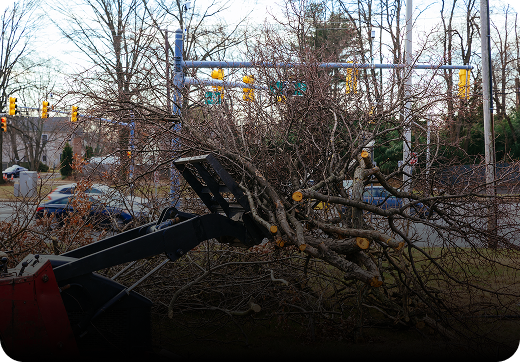
Removing a tree is not always a simple task. When a tree is exceptionally tall, dangerously positioned, or located in a hard-to-reach area, standard removal techniques may not be enough. This is where crane tree removal comes in. By using specialized cranes, arborists can safely dismantle even the largest and most hazardous trees with precision and minimal disruption to the surrounding area.
Understanding Crane Tree Removal
Crane tree removal is a modern approach to felling and dismantling trees. Instead of cutting the tree from the base and letting it fall, skilled arborists work in coordination with crane operators to remove the tree in controlled sections. The crane lifts each piece away from the site, preventing damage to nearby structures, power lines, or landscaping.
This method is particularly beneficial when a tree is too dangerous to climb, is decayed and unstable, or stands in a confined space. The use of a crane ensures that the removal is performed in a way that prioritizes safety for workers and property owners.
When Is Crane Tree Removal Necessary?
While not every tree removal requires a crane, there are specific situations where it becomes the most practical solution. Trees located near homes, fences, swimming pools, or busy streets are often removed with a crane to avoid accidental damage. Large, heavy branches that could cause significant destruction if they fall uncontrolled are also best handled with crane assistance.
Another common reason for crane use is storm damage. After a severe storm, trees can become unstable or lean dangerously. If a tree is too damaged to climb, using a crane allows arborists to secure and remove it without risking injury or property damage.
The Process of Crane Tree Removal
A successful crane-assisted tree removal involves meticulous planning and teamwork. Before any cutting begins, an arborist evaluates the tree’s condition, the surrounding environment, and the best strategy for dismantling it. The crane is positioned in a stable location, and the crew determines how to section the tree for safe removal.
Each section of the tree is cut and attached to the crane with heavy-duty straps or cables. Once secured, the crane lifts the section away and lowers it to the ground, where other crew members cut it into manageable pieces. This process continues until the entire tree has been removed.
Using this method allows for minimal disruption to lawns, gardens, and nearby structures. It is also faster compared to traditional removal methods, as large sections can be taken down in a single lift rather than piece by piece by climbing.
Safety Benefits of Using a Crane
Tree removal is inherently dangerous, but crane-assisted techniques significantly reduce many of the risks involved. Arborists do not need to spend as much time climbing and cutting in high, unstable positions. Instead, much of the work is done from the ground or from a secure bucket lift.
By controlling the descent of each section with the crane, there is little chance of branches swinging into windows, roofs, or power lines. Additionally, the precision of crane operations means less cleanup from fallen debris and less impact on the surrounding environment.
Environmental Considerations
Crane tree removal not only improves safety but can also be gentler on the landscape. Traditional removal methods often require large areas of open space for trees to fall, which can result in damaged lawns, crushed plants, or disturbed soil. Cranes eliminate the need for this clearance, allowing for precise lifts and minimal ground disturbance.
Furthermore, because the process is faster and more controlled, it is easier to preserve nearby trees and plants. When done by a certified arborist, crane tree removal can be part of a larger tree care plan that protects the health of your property’s ecosystem.
Cost Factors in Crane Tree Removal
The cost of crane-assisted tree removal can vary depending on several factors, including the size of the tree, the complexity of the job, and the amount of equipment needed. While crane use can be more expensive than traditional methods, the increased safety, reduced risk of property damage, and faster completion often make it a worthwhile investment.
Other factors influencing cost include accessibility. If the tree is in a tight space or requires special maneuvering of the crane, additional time and expertise may be required. The type of wood disposal or whether stump grinding is needed can also affect the final price.
Choosing the Right Professionals
Crane tree removal requires highly skilled professionals. Not only must the crane operator be certified and experienced, but the arborist overseeing the work must understand tree biology, cutting techniques, and rigging safety.
When selecting a company for crane tree removal, look for one that is licensed, insured, and has positive reviews from past clients. Ask about their experience with similar projects and request a detailed estimate. A reputable company will be transparent about their methods and costs while prioritizing safety and professionalism.
Advantages Over Traditional Tree Removal
Compared to climbing and cutting, crane-assisted removal offers several key advantages. It is faster, often completing in hours what might take days with standard methods. It reduces the likelihood of accidents and property damage. It also allows for the removal of extremely large or hazardous trees that would otherwise be difficult or impossible to take down safely.
In addition, crane removal is less physically taxing for the crew, which can result in better focus, precision, and overall quality of work. For property owners, the reduced impact on landscaping and the quicker cleanup process are major benefits.
Conclusion
Crane tree removal represents one of the safest, most efficient ways to handle large or hazardous trees. By combining the expertise of trained arborists with the precision of heavy machinery, this method protects property, saves time, and ensures a controlled, damage-free process.
Whether dealing with storm damage, a dangerously leaning tree, or a massive specimen in a tight location, crane-assisted removal offers a reliable solution. When performed by experienced professionals, it can transform what would be a risky and challenging job into a smooth, efficient, and safe operation. Investing in professional crane tree removal not only protects your property but also provides peace of mind knowing the job will be done with the highest standards of safety and care.