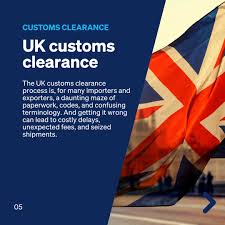
Trading goods across borders can feel stressful when paperwork, delays, and unexpected charges appear. Many businesses face shipment holds, compliance issues, or penalties because rules are misunderstood or missed. As a result, time, money, and customer trust are often lost.
However, with the right knowledge and professional support, these risks can be reduced. Customs clearance in UK is a structured process that, when handled correctly, allows goods to move legally and efficiently. This guide explains the process in simple terms, highlights common challenges, and shows how expert assistance makes a real difference. By understanding each step, businesses can plan better, avoid delays, and keep their supply chains moving without unnecessary disruption.
Understanding Customs Clearance in UK
Customs clearance in UK refers to the legal process required for goods entering or leaving the country. Every shipment must meet HMRC rules before it can be released. This includes accurate declarations, correct commodity codes, and payment of any applicable duties or VAT. Furthermore, customs authorities need full visibility of what is being moved, its value, and its origin. Without this information, shipments may be delayed or stopped. Therefore, businesses must prepare documents carefully and submit them on time to avoid problems at the border.
Why Customs Clearance Is Essential for UK Trade
Legal Compliance and Risk Reduction
Meeting customs requirements is not optional. UK law requires all imports and exports to be declared correctly. If details are wrong, penalties may apply. In addition, repeated errors can lead to audits or loss of trading privileges.
By following the correct process, businesses protect themselves from fines and maintain a reliable trading record.
Faster Movement of Goods
When documents are accurate, customs officers can process shipments quickly. As a result, goods move faster through ports and airports. This is especially important for time-sensitive cargo, such as food, medical supplies, or retail stock.
Key Documents Required for Customs Clearance
Accurate documentation is the foundation of customs clearance in UK. Each document serves a specific purpose and supports compliance.
Commercial Invoice
This invoice lists the buyer, seller, goods description, value, and currency. It helps customs authorities assess duties and taxes.
Packing List
The packing list explains how goods are packed, including weight and dimensions. It supports inspections and reduces confusion during checks.
Import or Export Declaration
Declarations are submitted electronically to HMRC systems. They include commodity codes, customs values, and shipment details.
Certificates and Licences
Some goods require extra approvals. For example, food items may need health certificates, while controlled goods require licences.
Step-by-Step Customs Clearance Process
Submission of Shipment Details
First, shipment information is gathered and reviewed. Accuracy is essential at this stage because errors cause delays later.
Declaration to HMRC
Next, the declaration is submitted through the correct system. This step officially informs HMRC about the shipment.
Duty and VAT Assessment
After submission, duties and VAT are calculated. Payment or deferment arrangements must be in place before release.
Goods Release or Inspection
Finally, goods are either released or selected for inspection. If all details are correct, release happens quickly.
Common Challenges Faced by Businesses
Incorrect Commodity Codes
Using the wrong code can result in overpayment or penalties. Therefore, classification must be done carefully.
Incomplete Documentation
Missing documents often lead to shipment holds. This causes extra storage costs and delivery delays.
Changing Regulations
UK customs rules change over time, especially after Brexit. Keeping up with updates is difficult without expert support.
How Professional Agents Support Customs Clearance
Professional agents manage customs clearance UK on behalf of businesses. They handle declarations, check documents, and communicate with HMRC. Moreover, experienced agents reduce the risk of errors and help shipments move smoothly. Their knowledge of procedures, systems, and regulations saves time and protects businesses from costly mistakes.
Customs Clearance for Imports into the UK
Import VAT and Duties Explained
When goods enter the UK, import VAT and customs duties may apply. Rates depend on the commodity code and country of origin.
Understanding these costs helps businesses price products correctly and manage cash flow.
Special Import Procedures
Some goods qualify for reliefs or special procedures. For example, temporary imports or returned goods may receive tax benefits if handled correctly.
Customs Clearance for Exports from the UK
Export Declarations
Exports also require declarations. These confirm that goods are leaving the UK legally and support VAT zero-rating where applicable.
Proof of Export
Keeping proof of export is essential for tax records. Without it, VAT relief may be refused during audits.
The Role of Technology in Modern Customs Processes
Digital systems now support customs clearance in UK. Electronic declarations, tracking tools, and automated checks improve accuracy. As a result, businesses gain better visibility of their shipments and faster updates on clearance status.
Why Choose a UK-Based Customs Specialist
Working with a UK-based specialist ensures local knowledge and direct communication with HMRC. These experts understand port procedures and current regulations.
Furthermore, they offer tailored support for different industries, including retail, manufacturing, and logistics.
How CLA UK Supports Seamless Customs Clearance
CLA UK provides comprehensive support aligned with UK regulations. Their services include import and export declarations, compliance checks, and advisory support.
In addition, they work closely with clients to reduce delays and manage costs effectively. This professional approach ensures confidence at every stage of customs clearance in UK.
Conclusion
Customs clearance in UK is a vital process for any business involved in international trade. By understanding requirements, preparing accurate documents, and using expert support, businesses can avoid delays and penalties.
For reliable customs clearance in UK, trust CLA UK to manage your imports and exports efficiently, ensuring compliance, speed, and peace of mind through every stage of the customs process.