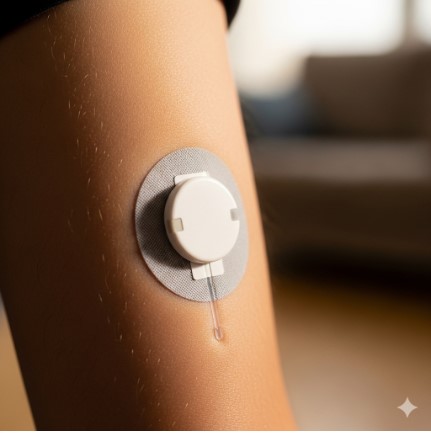
For people managing diabetes, continuous, accurate glucose monitoring is a vital part of effective care. In 2025, the diabetic arm sensor has emerged as a leading technology, offering enhanced comfort, precision, and convenience. Positioned on the upper arm, this sensor type provides a discreet yet powerful way to keep glucose levels in check, facilitating better diabetes management and improved quality of life.
Aidex CGM is dedicated to bringing the most current diabetic arm sensor technologies and comprehensive support to empower users in their health journey. This article dives into the latest technological breakthroughs, practical advantages, evolving market dynamics, and the promising future of diabetic arm sensors.
What Is a Diabetic Arm Sensor and Why Is It Popular?
A diabetic arm sensor is a small device adhered directly to the upper arm that continuously monitors glucose levels through interstitial fluid beneath the skin. The upper arm is favored over traditional sensor sites, like the abdomen or thigh, for several reasons:
-
Comfort: Reduced skin irritation and less interference with daily movements.
-
Discretion: Easier to conceal under clothing, providing user confidence.
-
Accuracy and Reliability: Benefitting from stable sensor placement in an ideal anatomical location.
-
Physical Convenience: Avoids common disruption sites exposed to clothing friction or bending.
Patients receive real-time glucose readings wirelessly transmitted to compatible apps or monitors, enabling instant insight and better control.
Leading Diabetic Arm Sensor Technologies in 2025
Dexcom G7
Dexcom’s trailblazing G7 sensor represents the pinnacle of diabetic arm sensor innovation:
-
Slim, nearly imperceptible design improving wearer comfort.
-
Up to 10.5 days of wear approved by FDA, with a 15-day wear extension anticipated.
-
High accuracy without need for fingerstick calibrations.
-
Fast 30-minute warm-up time.
-
Seamless app integration for data review, alerts, and remote sharing.
Abbott FreeStyle Libre 3 and Libre 3 Plus
Abbott continues to refine its user-friendly FreeStyle Libre sensors:
-
Ultra-small sensor with wireless real-time data streaming every minute.
-
Up to 14 days wearing period per sensor.
-
Adjustable hypoglycemia and hyperglycemia alerts.
-
Libre 3 Plus explicitly approved for pediatric users from age 2 upwards.
-
Supports discrete, painless monitoring.
Eversense 365
Eversense offers an implantable sensor disclosed via a skin-worn sender:
-
Longest duration CGM, lasting up to 12 months.
-
On-skin transmitter providing discrete vibration alerts for highs or lows.
-
Improved accuracy with advised periodic calibration.
-
Reduced need for frequent changes, boosting convenience.
Patient Benefits from Using Diabetic Arm Sensors
Comfort and Physical Well-Being
Arm placement avoids irritated or highly mobile skin areas common with other sensor sites. Ultra-thin devices minimally impact daily activities or sleep.
Discreet and Empowering
Reduced device visibility promotes confidence and diminishes stigma often associated with diabetes devices, empowering users to manage their condition privately.
Proactive Glucose Management
Continuous data equips users to respond preemptively to glucose fluctuations, avoiding emergencies and reducing overall complications.
Less Reliance on Fingersticks
Minimizing painful and inconvenient blood pricks improves patient adherence and psychological well-being.
Market Trends Shaping the Adoption of Diabetic Arm Sensors
-
Increasing demand for minimally invasive, low-profile glucose monitoring approaches.
-
Expanding regulatory approvals allowing use by more demographics including children and seniors.
-
Technological enhancement in sensor longevity, accuracy, and wearability.
-
Integration with insulin pumps and smartphone health ecosystems.
-
Improved insurance coverage facilitating broader accessibility.
Aidex CGM actively sources products aligned with these market evolution trends.
Choosing the Right Diabetic Arm Sensor
Selection factors include:
-
Wear Duration suited to user lifestyle and preferences.
-
Compatibility with other diabetes management devices and apps.
-
User Comfort regarding adhesive type and sensor size.
-
Accuracy & Calibration Needs important for therapy decisions.
-
Support and Education availability for new users.
Aidex CGM guides patients through personalized choices based on these parameters.
Future Innovations in Diabetic Arm Sensors
-
Extended wear times through battery and adhesive technology improvements.
-
CIPM integration with multi-biomarker sensing (ketone, lactate, stress hormones) to refine therapy.
-
AI-driven predictive analytics enabling preemptive glycemic control.
-
Fully implantable next-gen sensors for ultra-long-term wear.
-
Eco-conscious and sustainable sensor materials.
Aidex CGM commits to bringing these future-ready technologies to users.
How Aidex CGM Supports Your Diabetes Journey
Aidex CGM offers:
-
Expert consultations for individualized device matching.
-
Training resources for confident sensor use and data interpretation.
-
Insurance and reimbursement assistance.
-
Ongoing customer service and clinical support.
-
Continuous updates on emerging diabetes technology.
Conclusion
The diabetic arm sensor serves as a beacon of progress and hope in 2025 diabetes care. Offering precise, continuous, and comfortable glucose monitoring, these sensors empower users with enhanced data insight and lifestyle flexibility. Aidex CGM is honored to facilitate access to these life-changing devices and support patients every step of the way.
Experience the future of diabetes monitoring today with Aidex CGM’s advanced diabetic arm sensors—because personalized, pain-free care is the key to thriving with diabetes.