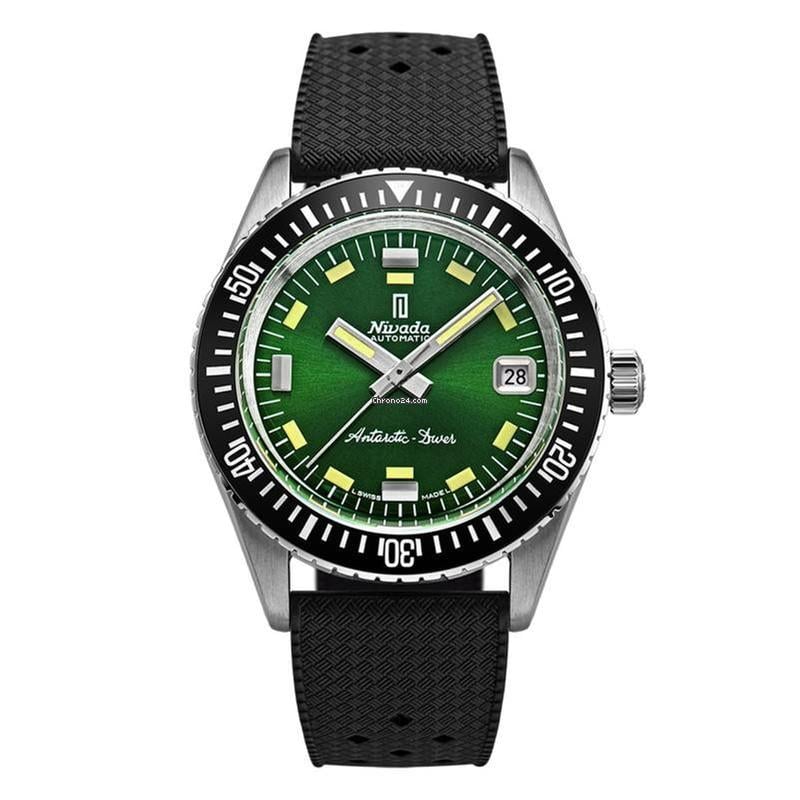
Watches are more than just tools that tell time. They are part of human history, culture, and personal style. Over the centuries, watches have developed into something greater than simple timekeeping devices. They represent craftsmanship, design, and identity. For many people, a watch is not only a practical accessory but also a meaningful treasure that reflects who they are.
This article will take you on a journey through the fascinating world of watches. We will explore their origins, why they matter, how they are made, and what makes them special. By the end, you will have a deeper understanding of why watches continue to hold value in today’s fast-moving digital age.
The Beginning of Watchmaking
The story of watchmaking started several centuries ago in Europe. Early designs were bulky and not very accurate. However, they introduced the idea of portable timekeeping. In the 16th and 17th centuries, pocket watches became symbols of wealth and power. By the 20th century, wristwatches became more practical and fashionable, especially during times of war when soldiers needed quick access to the time.
Since then, wristwatches have become everyday essentials. They are not only functional but also stylish. From simple designs to luxury pieces, watches have become part of people’s daily lives across the world.
Why Watches Are Still Important
Even in an age of smartphones and smart devices, watches continue to hold a special place. Here are some reasons why people still value them:
- Elegance and Fashion – A watch adds style and completes an outfit.
- Craftsmanship – Fine watches are built with care, skill, and attention to detail.
- Connection to History – Many brands carry legacies that go back hundreds of years.
- Collecting and Investment – Some watches grow in value and are passed down for generations.
- Simplicity – Unlike phones, watches give you the time without distraction.
How Watches Are Made
A good watch is the result of careful design and expert craftsmanship. The process often begins with sketches and digital models. After that, watchmakers create the movement—the “engine” that powers the watch. This can be mechanical, powered by springs and gears, or quartz, powered by a battery.
The watch case, dial, and hands are then designed to match the movement. Finally, each piece is assembled by skilled hands and tested for accuracy. This process ensures that the final product is both functional and beautiful.
Different Types of Watches
There are many kinds of watches available today, each serving different purposes:
- Dress Watches – Simple, elegant, and best for formal events.
- Sports Watches – Durable, water-resistant, and often with extra features like a stopwatch.
- Field Watches – Practical, rugged, and easy to read.
- Diver’s Watches – Built for underwater use, with strong cases and glowing dials.
- Smartwatches – Modern devices with digital functions like fitness tracking.
Every type of watch tells a story. Some are designed for style, some for function, and some for adventure.
Mechanical vs Quartz
One of the most common questions in watch collecting is: Should you buy a mechanical watch or a quartz watch?
- Mechanical Watches – These are admired for tradition and craftsmanship. They run without batteries and are powered by springs. Some require manual winding, while automatic versions wind themselves as you move your wrist.
- Quartz Watches – These are powered by batteries and are usually more affordable. They are also more accurate than most mechanical watches.
Both choices are valuable. It depends on what you want—heritage and artistry, or accuracy and convenience.
Caring for Your Watch
If you own a watch, proper care can make it last for decades. Here are a few tips:
- Keep it clean and dry.
- Avoid exposure to extreme temperatures.
- Store it safely when not in use.
- Service mechanical watches every 3–5 years.
With the right care, a watch becomes more than an accessory—it becomes a lifetime companion.
A Closer Look at a Classic Name
In the wide world of watchmaking, some names shine because of their history and dedication. Nivada Grenchen is one such brand. Known for its strong roots in Swiss watchmaking, it gained popularity for creating timepieces that combine style with reliability. Collectors often look for its vintage models, which reflect the balance of elegance and function. The brand continues to inspire watch lovers who admire the blend of tradition and modern craftsmanship.
Watches in Everyday Life
Watches are not just about telling time. They are about expressing identity. A business professional may wear a slim dress watch to show elegance. An athlete may choose a durable sports watch for training. A traveler may wear a watch that tracks multiple time zones.
No matter the purpose, a watch becomes part of a person’s lifestyle. It adds meaning and confidence to everyday life.
The Future of Watchmaking
The future of watches is exciting. Smartwatches bring new possibilities with technology, while traditional watches continue to grow in value and respect. Rather than replacing each other, the two types now exist side by side.
Collectors still treasure mechanical watches for their artistry, while many young people are beginning to appreciate them as well. The industry continues to evolve, but one thing remains true: watches are timeless.
Final Thoughts
Watches represent more than time—they represent tradition, identity, and beauty. From their beginnings centuries ago to their role today, they have always been a part of human life. Whether you prefer a simple quartz model or a handcrafted mechanical piece, the charm of a watch never fades.
Brands like Nivada Grenchen remind us that watchmaking is both art and science. Owning such a timepiece means carrying history, culture, and craftsmanship on your wrist. For collectors and everyday users alike, watches remain one of the most meaningful accessories we can own.
Read more: https://nivadagrenchenofficial.com/