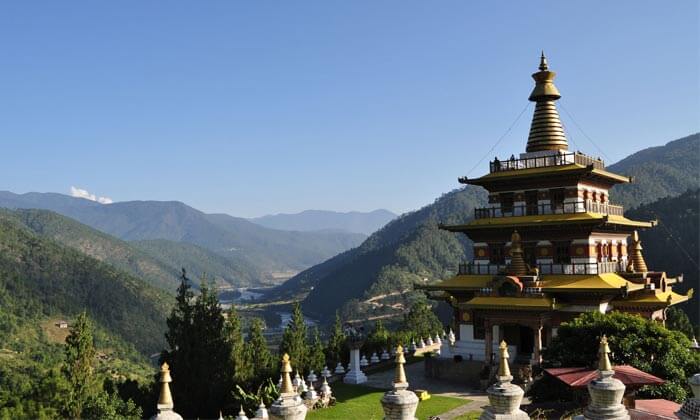
Bhutan is a magical place tucked between the giants—India and China. Known for its untouched beauty, rich traditions, and Gross National Happiness, this kingdom is not like any other. It’s a destination where spirituality blends with nature, and ancient customs are still a part of daily life.
If you’re someone who seeks peace, cultural depth, and scenic wonders, Bhutan should be on your list. People often ask about the best time to visit monasteries in Bhutan, and the answer lies in Bhutan’s seasons. Spring (March to May) and autumn (September to November) are ideal, offering pleasant weather and vibrant festivals.
Besides nature and traditions, one thing that makes Bhutan shine is its religious heritage. It’s home to countless sacred temples and meditation centers. In fact, Buddhist sites in Bhutan attract thousands of visitors from across the globe every year. These places tell stories of ancient monks, kings, and spiritual awakenings.
Why Bhutan Is Called the Last Himalayan Kingdom
Bhutan is the only country in the world that has never been colonized. It has kept its unique culture intact for centuries. The country didn’t even open to foreign visitors until 1974. Because of this, Bhutan is often referred to as the “Last Shangri-La.”
Here are some of the reasons that make Bhutan so special:
-
No traffic lights in the capital city, Thimphu
-
National dress is worn daily by citizens
-
Architecture follows traditional Dzong style
-
Strict rules to preserve nature and culture
Bhutan is proud of its ancient roots, and it protects them fiercely.
Culture and Traditions That Are Still Alive
In Bhutan, culture isn’t just celebrated—it’s lived. From the way people dress to the festivals they celebrate, everything reflects their deep spiritual beliefs. Here are a few cultural highlights:
1. National Dress
Men wear a robe called “Gho” and women wear a long dress called “Kira.” You’ll see everyone—from students to government officials—dressed in them.
2. Tsechu Festivals
Tsechus are religious festivals held in various districts. They honor Guru Rinpoche, the saint who brought Buddhism to Bhutan. These festivals include masked dances, prayers, and social gatherings.
3. Language
Dzongkha is the national language, but many Bhutanese people also speak English and Hindi.
Bhutan’s Spiritual Landscape
Spirituality is deeply rooted in Bhutanese life. The country follows Vajrayana Buddhism, a branch of Mahayana Buddhism. You can feel this spiritual energy in every corner—be it a fluttering prayer flag or a monk in red robes.
Let’s look at some spiritual elements that define Bhutan:
Prayer Flags and Wheels
Colorful prayer flags are hung in high places, believed to spread blessings through the wind. Prayer wheels, often found in temples and streets, are spun for merit and good karma.
Stupas and Chortens
These are sacred monuments that contain relics or are built in memory of great lamas. You’ll find them scattered across hills, villages, and city centers.
Monastic Schools
Children as young as six join monastic schools to learn prayers, scriptures, and meditation. It’s a life of discipline, silence, and study.
Must-Visit Spiritual Experiences in Bhutan
Though Bhutan is full of sacred spots, some are truly unforgettable. Here are a few you must experience:
1. Taktsang Monastery (Tiger’s Nest)
Perched on a cliff 3,000 feet above the Paro Valley, this is Bhutan’s most iconic site. Legend says Guru Rinpoche flew here on a tiger to meditate. The hike to the monastery is tough but rewarding.
2. Punakha Dzong
Known as the “Palace of Great Happiness,” it’s the second-oldest and second-largest dzong in Bhutan. It’s where royal weddings and important religious ceremonies are held.
3. Chimi Lhakhang
This temple is dedicated to the “Divine Madman,” a monk known for his unusual teachings. It’s believed to bless couples with fertility.
Bhutan’s Connection with Nature
Bhutan isn’t just about temples and monks. It’s also about green valleys, snow-capped peaks, and crystal-clear rivers. Over 70% of the country is covered in forests. It’s also the world’s only carbon-negative country!
Bhutan’s national parks are home to rare animals like:
-
Snow leopards
-
Red pandas
-
Bengal tigers
-
Takin (Bhutan’s national animal)
The government makes sure tourism doesn’t harm the environment. That’s why there’s a daily tourist fee, which supports sustainability.
Food and Flavors of Bhutan
Bhutanese food is simple, spicy, and comforting. Here are some popular dishes:
Ema Datshi
The national dish, made from chilies and cheese. It’s hot but flavorful!
Red Rice
This healthy grain is served with almost every meal.
Momos
Tibetan-style dumplings filled with meat or vegetables.
If you’re adventurous, try Suja (butter tea) and Ara (local alcohol).
Adventure Meets Serenity
Besides spiritual sites, Bhutan is a paradise for thrill-seekers too. Whether you love trekking, biking, or river rafting, there’s something for you.
Trekking Trails
-
Druk Path Trek: 5-day trek between Paro and Thimphu
-
Jomolhari Trek: For experienced hikers, it offers views of Mt. Jomolhari
-
Snowman Trek: One of the world’s toughest treks, lasting 25 days
Cycling Routes
The roads from Thimphu to Punakha and Paro are scenic and safe for cycling enthusiasts.
Shopping in Bhutan
Looking for souvenirs? Bhutan offers beautiful handmade items:
-
Prayer wheels
-
Thangka paintings
-
Hand-woven textiles
-
Wooden masks
-
Incense sticks
You can find these in weekend markets in Thimphu and Paro.
Travel Tips for Bhutan
To make the most of your trip, keep these tips in mind:
-
Visa: All international tourists (except Indians, Bangladeshis, and Maldivians) need a visa.
-
Daily Fee: Bhutan has a Sustainable Development Fee (SDF). It’s $100/day for most foreigners.
-
Guided Tours: You must travel with a licensed tour guide and pre-booked itinerary.
-
Currency: Bhutanese Ngultrum (BTN); Indian Rupees are also accepted.
Best Time to Visit Bhutan
Spring and autumn are the best seasons. March to May brings blooming flowers and clear skies. September to November offers cool air and vibrant festivals.
Avoid summer (monsoon) and winter if you’re not a fan of extreme weather.
FAQs
Q1. Is Bhutan safe for solo travelers?
Yes, Bhutan is one of the safest countries in the world, with low crime rates and friendly locals.
Q2. Can I explore Bhutan on my own?
No. All foreign tourists must be accompanied by a licensed guide and tour operator.
Q3. Is Bhutan expensive to visit?
It can be, due to the daily tourist fee. But this also ensures quality and sustainable tourism.
Q4. Do I need to be spiritual to enjoy Bhutan?
Not at all! Bhutan’s spirituality is welcoming, not imposing. Everyone can enjoy its calm and peaceful vibe.
Conclusion: A Journey That Stays With You
Bhutan is not just a place you visit—it’s a place that transforms you. With its untouched nature, deep spirituality, and warm people, this Himalayan kingdom stays in your heart long after you’ve left.
Whether you’re planning to explore Buddhist sites in Bhutan or find the best time to visit monasteries in Bhutan, one thing is sure—Bhutan will leave you with unforgettable memories and a peaceful soul.
So pack your bags and head to a country where happiness is more important than wealth, and every sunrise feels sacred.