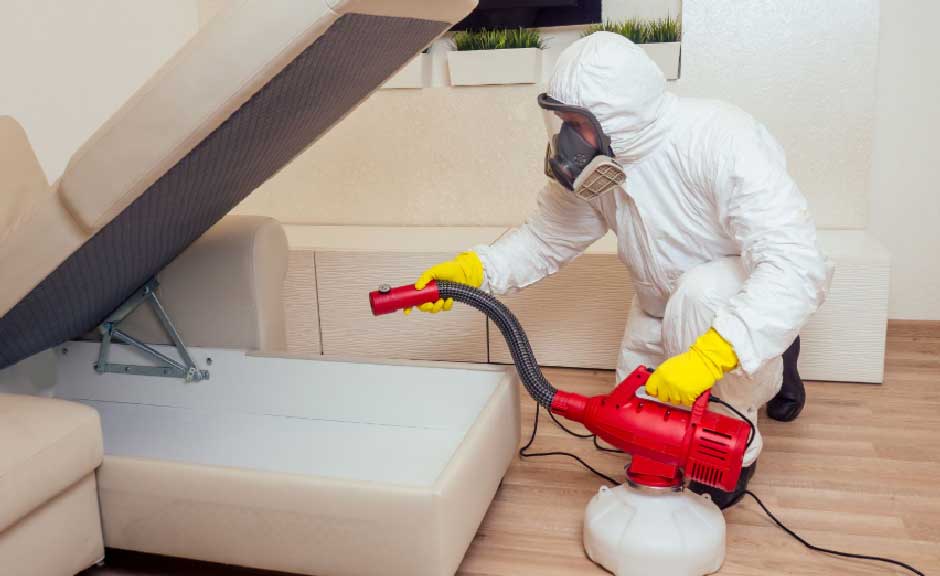
Keeping your home free from pests and rodents is not just about comfort — it’s about maintaining a healthy, hygienic, and safe environment for you and your family. Unwanted invaders such as ants, cockroaches, rats, termites, and mosquitoes can cause significant damage to property and pose health risks through the diseases they carry. Whether you live in an apartment or a large home, understanding how to protect your living space effectively is essential. The good news is that there are several proven strategies to safeguard your home from these nuisances. From preventive maintenance to smart cleaning habits, every little step makes a big difference. For complete protection, consider professional pest and rat control services that ensure your home stays pest-free year-round.
- Identify Common Household Invaders
Before taking preventive measures, it’s important to know the type of pests that may infiltrate your home. Common household pests include ants, cockroaches, termites, rodents, spiders, flies, and mosquitoes. Each pest type behaves differently — ants may invade for food, termites for wood, and rodents for shelter. Recognizing their presence early is key to avoiding infestations. Signs such as droppings, gnaw marks, discarded wings, or unusual odors can alert you to a developing problem.
Regularly inspect hidden corners, behind appliances, basements, and attics. Pests tend to thrive in dark, warm, and moist environments. By identifying the type of invader and understanding its habits, you can take targeted measures to eliminate them efficiently.
- Maintain a Clean and Clutter-Free Environment
A clean home is a strong deterrent against pests. Food crumbs, spills, and clutter attract insects and rodents looking for nourishment and shelter. Make it a habit to sweep and vacuum floors daily, wipe kitchen counters, and store food in airtight containers. Pay special attention to garbage bins — use tightly sealed lids and empty them regularly to prevent foul odors that can lure pests inside.
Decluttering is equally important. Stacks of newspapers, cardboard boxes, or old fabrics can provide hiding and nesting spots for insects and rodents. Keeping your living space organized and well-ventilated limits their ability to settle and reproduce.
- Seal Entry Points and Cracks
Many pests enter homes through small gaps, cracks, or openings that often go unnoticed. Inspect the exterior of your house, including walls, doors, windows, and utility pipes, for any potential entry points. Seal cracks with caulk, use weather stripping around doors and windows, and install mesh screens where necessary.
Don’t forget the attic, basement, and garage — these areas are common access points for rodents and insects. Even a small gap can serve as an entryway for a mouse or cockroach. Regular maintenance and sealing of entry points create a strong first line of defense against unwelcome guests.
- Understand What Attracts Pests Inside
Knowing what are roaches attracted to and other pests’ preferences is crucial in keeping them out. Most pests are drawn to food, moisture, and warmth. Leaky pipes, standing water, or damp areas in bathrooms and kitchens can become ideal breeding grounds for insects. Similarly, leaving pet food uncovered or storing snacks improperly can invite ants, roaches, and rodents.
To counter this, fix leaks promptly, ensure proper ventilation in damp areas, and use dehumidifiers if needed. Keep pet feeding areas clean and free from leftover food. Proper waste management, combined with attention to hygiene, greatly reduces the risk of pest infestation.
- Store Food and Waste Properly
Food storage plays a significant role in pest prevention. Always use sealed glass or plastic containers for dry goods like cereals, grains, and snacks. Avoid leaving fruits or vegetables out for long periods, as they can attract fruit flies and ants. Refrigerate perishable items and check expiry dates regularly.
For waste management, invest in durable garbage bins with tight-fitting lids. Dispose of trash daily and keep outdoor bins away from doors and windows. If possible, rinse food containers before discarding them to minimize lingering odors that attract pests.
- Regular Home Inspections and Maintenance
Routine inspections help you detect early signs of pest activity before it turns into a full-blown infestation. Check areas like basements, crawl spaces, attics, and around windows for nests, droppings, or chewed materials. Maintain your garden or backyard by trimming overgrown plants and removing standing water from pots or containers.
Ensure your plumbing and drainage systems are working efficiently. Leaky faucets or pipes not only waste water but also create the perfect conditions for pest breeding. Regular maintenance not only prevents pests but also enhances the overall hygiene and longevity of your property.
- Use Natural Remedies and Preventive Measures
If you prefer eco-friendly solutions, natural repellents can be quite effective. Essential oils like peppermint, eucalyptus, and lavender have strong scents that deter many insects. Vinegar and lemon sprays work well against ants, while a mixture of baking soda and sugar can help control cockroach activity.
Another simple yet powerful preventive measure is diatomaceous earth, a natural powder that kills insects by dehydrating them. It’s safe for humans and pets when used properly and can be sprinkled around entry points or potential nesting areas. However, for severe infestations, natural remedies alone may not suffice — professional intervention becomes necessary
- Manage Moisture and Humidity
Pests thrive in damp environments. Managing moisture levels is crucial in preventing pest problems. Inspect your plumbing for leaks, ensure that your home’s gutters are unclogged, and that rainwater drains properly. Dehumidifiers can help maintain optimal humidity levels indoors, especially in basements or bathrooms.
Regularly cleaning air vents, fans, and filters helps improve air circulation and prevents mold, which can also attract pests. Keeping your home dry and well-ventilated significantly reduces the chances of unwanted invaders taking shelter inside.
- Keep Outdoor Areas Tidy
Your home’s exterior condition plays a huge role in indoor pest prevention. Overgrown grass, leaf piles, and stagnant water are attractive hiding and breeding spots for insects and rodents. Mow your lawn regularly, remove debris, and store firewood away from the house.
If you have outdoor lighting, consider switching to yellow or LED bulbs, as these are less attractive to flying insects. Clean your gutters frequently and ensure that trash bins are sealed and positioned at a distance from the main entrance. A tidy outdoor area minimizes pest access points and keeps them from migrating indoors.
- Work with Professional Pest Control Services
Even with consistent preventive efforts, certain infestations can be persistent or too severe for DIY solutions. This is where professional pest control services become invaluable. Experts have the right tools, chemicals, and expertise to handle all types of infestations safely and effectively.
They can identify hidden nests, implement targeted treatments, and provide ongoing maintenance plans to ensure long-term protection. A reliable pest control service also offers eco-friendly solutions that safeguard your health and the environment. Scheduling regular inspections with professionals keeps your living space secure and stress-free.
- Educate Family Members About Pest Prevention
Pest control is a collective effort. Educating everyone in your household about proper hygiene, waste disposal, and food storage helps maintain consistent preventive practices. Encourage family members to report any signs of pests immediately and to participate in routine cleaning.
Teaching children to avoid leaving crumbs or open food around and to store items properly also fosters good habits. When every family member contributes, maintaining a pest-free home becomes a seamless process.
- The Importance of Consistency
Consistency is key to effective pest prevention. Occasional cleaning or random inspections won’t be enough. Make pest prevention part of your regular household routine. Schedule monthly checks, keep track of repairs, and maintain a checklist for cleaning and storage habits.
By adopting a proactive mindset, you can prevent infestations before they even start. A consistent approach not only protects your property but also promotes peace of mind knowing your home is clean, safe, and pest-free.
Conclusion
Protecting your living space from unwanted invaders requires awareness, discipline, and timely action. From sealing cracks and maintaining cleanliness to managing moisture and seeking professional help, each step plays an essential role in ensuring a healthy environment. Remember, pests don’t just appear overnight — they thrive in places where food, water, and shelter are easily available. By eliminating these attractions and keeping your home secure, you can enjoy a comfortable, hygienic, and stress-free living space.
Whether you’re dealing with insects or rodents, proactive care and expert pest and rat control can make all the difference. With consistent maintenance and mindful living, you can successfully keep your home safe from all kinds of unwanted invaders — today and in the long run.