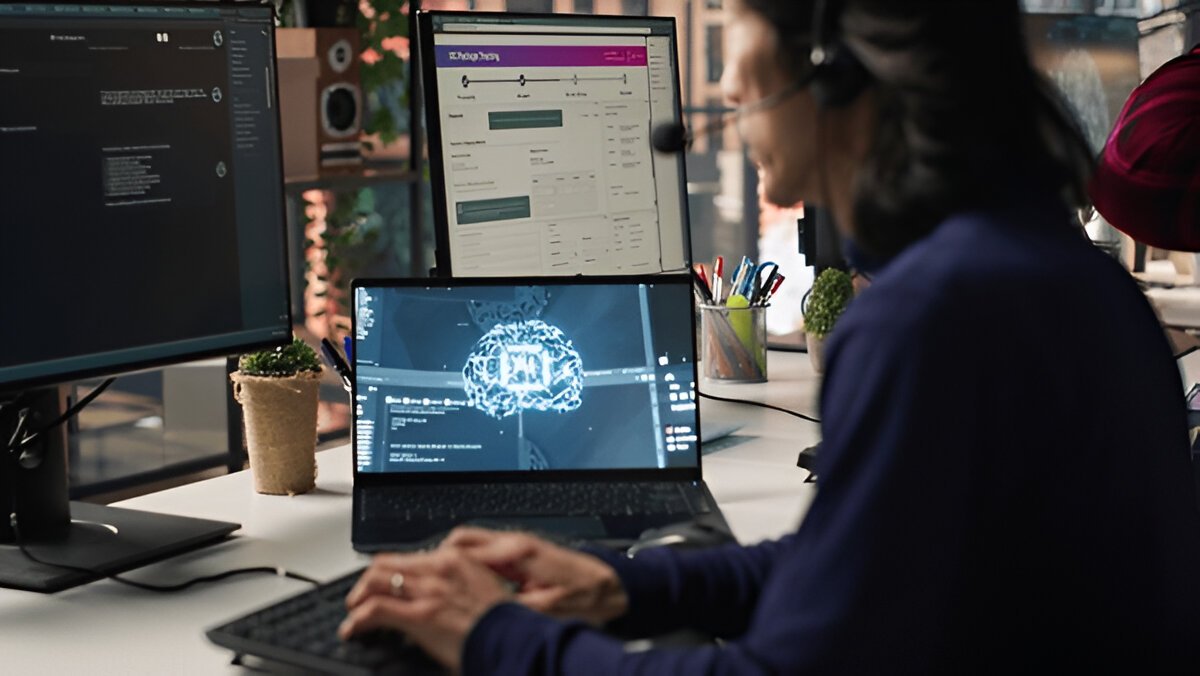
In today’s interconnected world, effective communication is more than just exchanging words—it’s about being understood across linguistic and cultural boundaries. With businesses expanding globally, remote teams collaborating across continents, and digital content reaching diverse audiences, the way we speak significantly impacts how our message is received. Enter AI voice harmonization and accent modulation software—a groundbreaking advancement in artificial intelligence that’s reshaping how we communicate on a global scale.
What Is AI Voice Harmonization?
Voice harmonization software powered by artificial intelligence analyzes and refines spoken audio in real time to improve clarity, tone, and consistency. Unlike simple noise reduction tools, modern AI voice enhancers go deeper—adjusting pitch, pace, volume, and even emotional tone to ensure the speaker sounds natural, professional, and engaging.
These tools use deep learning models trained on vast datasets of human speech to detect inconsistencies and subtle imperfections in audio. Whether it’s eliminating filler words, smoothing out choppy delivery, or enhancing vocal presence, AI voice enhancers transform raw recordings into polished audio experiences—ideal for podcasts, video calls, customer service, and corporate presentations.
But the potential doesn’t stop at mere clarity.
Accent Modulation: Bridging the Communication Gap
One of the biggest challenges in international communication is accent variation. While accents are a beautiful reflection of cultural diversity, they can sometimes lead to misunderstandings, especially in fast-paced or technical conversations. An Indian engineer presenting to a German client, a Canadian customer service rep assisting a Japanese customer, or a Brazilian executive leading a U.S.-based team—all may face subtle barriers due to accent differences.
This is where AI accent harmonizer modulation technology comes into play. These tools analyze a speaker’s pronunciation patterns and gently “modulate” their accent to enhance intelligibility without erasing identity. Rather than forcing users to adopt a specific “neutral” accent—something that can feel inauthentic or even discriminatory—modern AI systems aim for intelligibility and inclusivity.
For example, someone with a strong regional British accent can use an AI accent modulator to soften certain phonetic features that may be challenging for non-native English speakers, ensuring their message is clearly understood—without sounding robotic or artificial.
How Does It Work?
AI voice harmonization and accent modulation software rely on advanced natural language processing (NLP) and speech synthesis technologies. Here’s a breakdown of the process:
- Speech Analysis: The software captures the user’s voice and dissects it into phonemes, intonation patterns, rhythm, and stress.
- Accent Identification: Using trained models, the system identifies the speaker’s accent and compares it to a target intelligibility standard.
- Real-Time Adjustment: AI algorithms subtly modify pronunciation, articulation, and pacing to align with clearer articulation norms—while preserving the speaker’s vocal identity.
- Harmonized Output: The enhanced voice is delivered in real time or saved for later use, resulting in clearer, more universally understandable speech.
These adjustments are not about eliminating accents but about reducing communication friction. Think of it as a “voice translator”—ensuring your message lands as intended, regardless of who’s listening.
Applications Across Industries
The practical applications of this technology are extensive:
- Global Business Communication: Multinational companies use AI voice tools in virtual meetings and training sessions to ensure all team members, regardless of native language, fully understand discussions.
- Customer Service: Contact centers leverage AI accent modulation to enhance agent clarity, reducing miscommunication and improving customer satisfaction across regions.
- Education and E-Learning: Educators and trainers use voice harmonization to create more accessible content for international students, helping non-native speakers grasp complex subjects more easily.
- Media and Entertainment: Voice actors and narrators employ AI tools to adjust vocal delivery for different audiences—maintaining authenticity while broadening appeal.
- Accessibility: Individuals with speech impairments or non-native speakers benefit from enhanced clarity, empowering them to communicate more confidently in professional and social settings.
Ethical Considerations and Cultural Sensitivity
While the benefits are clear, the rise of AI accent modulation raises important ethical questions. Critics caution against technologies that might pressure users to “sound more neutral” or conform to Western speech norms, potentially eroding linguistic diversity.
Responsible developers are addressing these concerns by focusing on intelligibility over assimilation. The goal isn’t to erase accents but to provide users with choices—options to enhance clarity when needed, without compromising cultural identity. Transparency, consent, and user control are essential in ensuring the technology empowers rather than alienates.
The Future of AI Voice Technology
As AI continues to evolve, we can expect voice harmonization tools to become even more sophisticated—capable of adapting not just to accents, but to emotional tone, audience familiarity, and even regional language nuances.
Future developments may include real-time multilingual harmonization, where a speaker’s voice is simultaneously enhanced and translated while preserving their vocal characteristics. Imagine delivering a keynote in English with a slight Indian accent, yet sounding perfectly clear to a Spanish-speaking audience in real time—without losing your unique voice.
Final Thoughts
AI voice harmonization and accent modulation software represent a powerful leap forward in global communication. By enhancing clarity, reducing linguistic barriers, and promoting inclusivity, these tools are helping individuals and organizations connect across borders like never before.
But technology alone isn’t enough. Paired with cultural awareness and ethical design, AI voice enhancers can become instruments of understanding—turning diversity in speech from a challenge into a strength. As we continue to build a more connected world, perhaps the most powerful voice is one that’s not only heard, but truly understood.