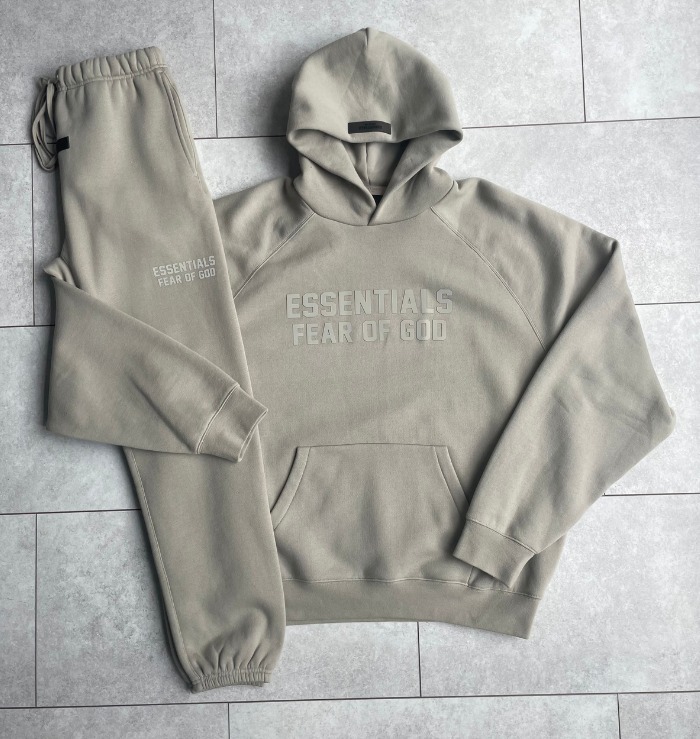
As the temperature drops and winter sets in, dressing appropriately for cold weather becomes more than just a matter of comfort—it’s a matter of health and functionality. However, staying warm doesn’t mean you essential clothing have to compromise on style. With the right wardrobe choices, you can maintain your personal flair while protecting yourself from the chill.In this, we’ll explore the essential clothing items for cold weather, breaking down each layer from base to outerwear, plus the accessories that make all the difference. Whether you’re braving snowy streets, frosty countryside trails, or simply dealing with a drop in urban temperatures, this guide will ensure you’re prepared for any cold climate.
The Science Behind Dressing for Cold Weather
Before diving into specific clothing items, it helps to understand layering—a key concept in dressing for cold conditions.
The 3-Layer System:
-
Base Layer: Wicks moisture away from the skin.
-
Mid Layer: Insulates and retains body heat.
-
Outer Layer: Shields you from wind, rain, and snow.
This approach allows you to regulate your body temperature and stay dry, which are both critical for comfort and safety in cold environments.
1. Base Layers: Your First Line of Defense
The base layer is in direct contact with your skin. Its job is to manage moisture, keeping you dry even if you start to sweat.
Best Materials:
-
Merino wool: Naturally moisture-wicking, breathable, and odor-resistant.
-
Synthetic fabrics (like polyester): Quick-drying and lightweight.
-
Avoid cotton: It retains moisture and loses insulation when wet.
Key Pieces:
-
Thermal tops and leggings: Slim-fitting for easy layering.
-
Moisture-wicking socks: Especially important to prevent cold feet.
-
Thermal underwear: Offers added warmth for the lower body.
Style Tip: Choose neutral tones like black, gray, or navy for easy coordination with outer layers.
2. Mid Layers: Insulation That Keeps You Warm
The mid layer traps body heat, providing insulation between your skin and the cold air.
Best Materials:
-
Fleece: Lightweight, breathable, and insulating.
-
Down: Extremely warm and compressible (ideal for dry conditions).
-
Synthetic insulation: Mimics down but retains warmth when wet.
Key Pieces:
-
Fleece jackets or pullovers: Great for everyday layering.
-
Lightweight down vests or jackets: Can be worn under heavier coats.
-
Wool sweaters: Stylish and functional for both casual and formal wear.
-
Insulated leggings or pants: Optional but beneficial in very cold climates.
Style Tip: Mid-layers are where you can add some personality—opt for patterned fleeces, colorful sweaters, or stylish vests.
3. Outer Layers: Protection from the Elements
This is your first line of defense against wind, rain, and snow. A proper outer layer should be windproof, water-resistant or waterproof, and durable.
Types of Outerwear:
Winter Coat / Parka
-
Often insulated and waterproof
-
Includes features like hoods, fur trims, and multiple pockets
-
Designed for extreme cold
Shell Jacket
-
Lightweight, waterproof, and windproof
-
Meant to be worn over insulating mid-layers
-
Ideal for activities like hiking or skiing
Wool Coats
-
Not waterproof, but offer style and warmth
-
Better for dry cold days in urban settings
Important Features:
-
Adjustable hoods for wind protection
-
Storm flaps to prevent wind from entering zippers
-
Drawcord hems and cuffs to seal in warmth
-
Breathability ratings for comfort during activity
Style Tip: Invest in one high-quality coat in a neutral color—black, camel, or navy—for versatility, and layer underneath depending on temperature.
4. Cold-Weather Pants
While people often focus on jackets and coats, the lower body needs just as much attention.
Options to Consider:
-
Fleece-lined jeans or leggings
-
Thermal or insulated trousers
-
Waterproof snow pants for outdoor activities
-
Wool trousers for formal settings
Style Tip: Slim-cut thermal leggings can be worn under regular jeans for added warmth without bulk.
5. Essential Cold-Weather Accessories
Accessories are not just extras in cold weather—they are necessities. Heat escapes fastest from the extremities: the head, hands, and feet.
A. Hats and Beanies
-
Wool or fleece-lined beanies are excellent for insulation.
-
Look for styles that cover your ears completely.
-
Balaclavas or thermal hoods are better for sub-zero temperatures.
B. Gloves and Mittens
-
Insulated gloves for daily use
-
Touchscreen-compatible gloves for smartphone use
-
Mittens are warmer than gloves (great for longer outdoor exposure)
-
Liners for added warmth or dexterity
C. Scarves and Neck Gaiters
-
Wool scarves offer both style and warmth.
-
Neck gaiters are more functional and stay in place during activity.
D. Socks
-
Thick wool socks (like merino wool) are best for insulation.
-
Layering thin liners under thicker socks adds warmth and reduces friction.
E. Footwear
-
Waterproof, insulated boots are essential for snow or slush.
-
Rubber soles with traction are critical to avoid slipping.
-
Choose styles with removable liners for easy drying.
Style Tip: Choose accessories in bold colors or prints to brighten up darker winter outfits.
6. Specialty Clothing for Extreme Cold
If you’re heading into sub-zero temperatures or snowy environments, you’ll need gear that goes beyond the standard.
Examples:
-
Down-filled pants and parkas for polar climates
-
Gore-Tex shells for high activity in wet or snowy weather
-
Battery-heated gloves and socks for extended outdoor exposure
-
Snow gaiters to keep snow out of boots
Use Case: Ski trips, Arctic travel, high-altitude hiking, or working outdoors.
7. Tips for Layering and Staying Warm in Style
Mix Textures and Fabrics
Layering allows you to blend fleece, wool, and synthetic fabrics in a stylish and practical way. A sleek wool coat over a puffer vest and thermal top can look chic and feel cozy.
Stick to a Cohesive Color Palette
Cold-weather clothes often come in neutral tones—black, gray, navy, brown—because they’re easy to layer and style. Add pops of color with scarves, hats, or mittens.
Invest in Quality Over Quantity
A few well-made pieces (e.g., a proper coat, thermal base layers, insulated boots) will outlast multiple cheap ones. Look for high-quality materials and thoughtful construction.
Consider Functionality First
Before buying, ask:
-
Is it waterproof or just water-resistant?
-
Is it breathable?
-
How easily does it layer?
-
Is it machine washable?
Care and Maintenance
Cold-weather clothing, especially wool and down, requires proper care. Follow washing instructions and consider professional cleaning for your outerwear at the end of the season.
8. Building a Cold-Weather Capsule Wardrobe
Here’s a list of essentials to create a mix-and-match cold-weather wardrobe:
Tops:
-
2–3 base layer tops (merino or synthetic)
-
2–3 fleece or wool sweaters
-
1 insulated vest
Bottoms:
-
2 base layer bottoms
-
2 fleece-lined or thermal pants
-
1 waterproof outer pant (if needed)
Outerwear:
-
1 insulated winter coat
-
1 stylish wool coat (optional)
Accessories:
-
2 pairs of gloves
-
2 beanies or hats
-
2 scarves or gaiters
-
3+ pairs of wool socks
Footwear:
-
1 pair waterproof insulated boots
-
1 pair casual winter shoes
Conclusion: Function Meets Fashion in the Cold
Dressing for cold weather is Essentials Hoodies a balancing act between staying warm, looking good, and being practical. With the right layers, quality fabrics, and a well-thought-out approach to accessories, you can create a wardrobe that works just as well on snowy hikes as it does in the city streets.Don’t wait for the chill to catch you unprepared. Start building your cold-weather wardrobe today, and embrace winter with confidence, comfort, and style.