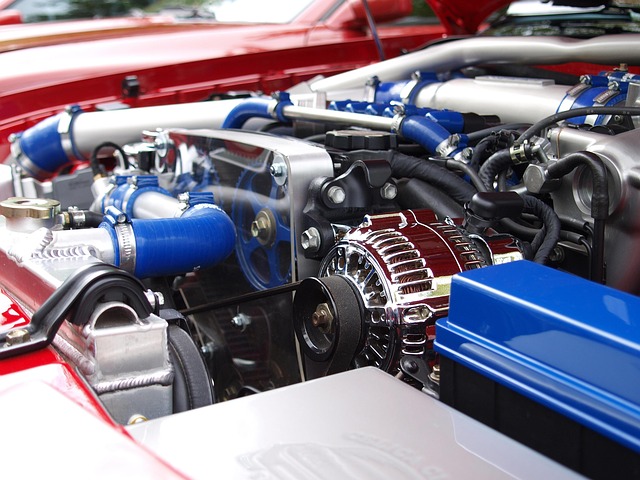
Marine engines are the beating hearts of vessels navigating oceans, rivers, and harbors. From fishing boats and cargo ships to luxury yachts and offshore support vessels, a well-maintained marine engine ensures power, safety, and reliability at sea. But behind every strong marine engine lies a network of critical components working in harmony. In this blog, we’ll explore the essential marine engine parts, their roles, and why understanding them is crucial for any ship operator or marine engineer.
Why Knowing Marine Engine Parts Matters
A marine engine operates under harsh conditions—saltwater exposure, high loads, long running hours, and temperature fluctuations. Knowing how the parts work together not only aids in performance optimization but also helps in diagnostics, preventive maintenance, and avoiding costly breakdowns in the middle of a voyage.
Key Marine Engine Parts and Their Functions
Cylinder Block
The cylinder block is the main structure of the engine, housing the cylinders, pistons, and crankshaft. It forms the foundation of the internal combustion process.
Cylinder Head
Attached to the top of the cylinder block, the cylinder head contains passages for intake and exhaust gases, fuel injectors, and valves. It seals the combustion chamber.
Pistons
Pistons move up and down inside the cylinders, converting the pressure from combusted fuel into mechanical motion. They are connected to the crankshaft via connecting rods.
Crankshaft
This rotating shaft transforms the linear motion of pistons into rotational energy that ultimately drives the ship’s propeller.
Connecting Rods
These rods connect the pistons to the crankshaft and transmit the engine’s power during combustion.
Fuel Injection System
Includes components like fuel nozzles and injectors, responsible for delivering the right amount of fuel into the combustion chamber for efficient ignition.
Camshaft
The camshaft controls the timing of the engine’s intake and exhaust valves, synchronizing them with the piston movements.
Turbocharger
Used to increase engine efficiency and power output by forcing more air into the combustion chamber. A must-have in most modern marine engines.
Cooling System
Comprises pumps, heat exchangers, and thermostats to maintain optimal engine temperature and prevent overheating. Usually uses seawater or freshwater in closed-loop systems.
Lubrication System
Supplies oil to reduce friction and wear between moving parts. Includes oil pumps, filters, and coolers.
Exhaust System
Removes burnt gases from the engine and often includes silencers, scrubbers, or catalytic converters to reduce noise and emissions.
Starting System
Marine engines usually use air starters or electric motors to initiate engine operation.
Governor
Regulates the engine’s speed and ensures smooth load handling by adjusting fuel delivery.
Common Wear Parts in Marine Engines
Some marine engine parts require frequent inspection or replacement due to heavy usage:
-
Fuel nozzles and filters
-
Pistons and piston rings
-
Cylinder liners
-
Valves and valve seats
-
Oil seals and gaskets
-
Bearings
-
Turbocharger parts (blades, seals)
Maintenance Tips for Marine Engine Parts
-
Perform regular oil analysis to detect early wear or contamination
-
Replace filters and lubricants according to the manufacturer’s schedule
-
Monitor exhaust emissions for signs of combustion issues
-
Conduct periodic overhauls of high-wear components like fuel injectors and pistons
-
Inspect cooling and lubrication systems for leaks or blockages
Final Thoughts
A marine engine is only as good as the sum of its parts. Each component, from the smallest seal to the largest crankshaft, plays a vital role in ensuring the vessel runs efficiently, safely, and economically. By understanding the function and importance of these marine engine parts, operators and engineers can make informed decisions about maintenance, upgrades, and troubleshooting — ultimately extending the life of their engine and securing smooth voyages across the seas.