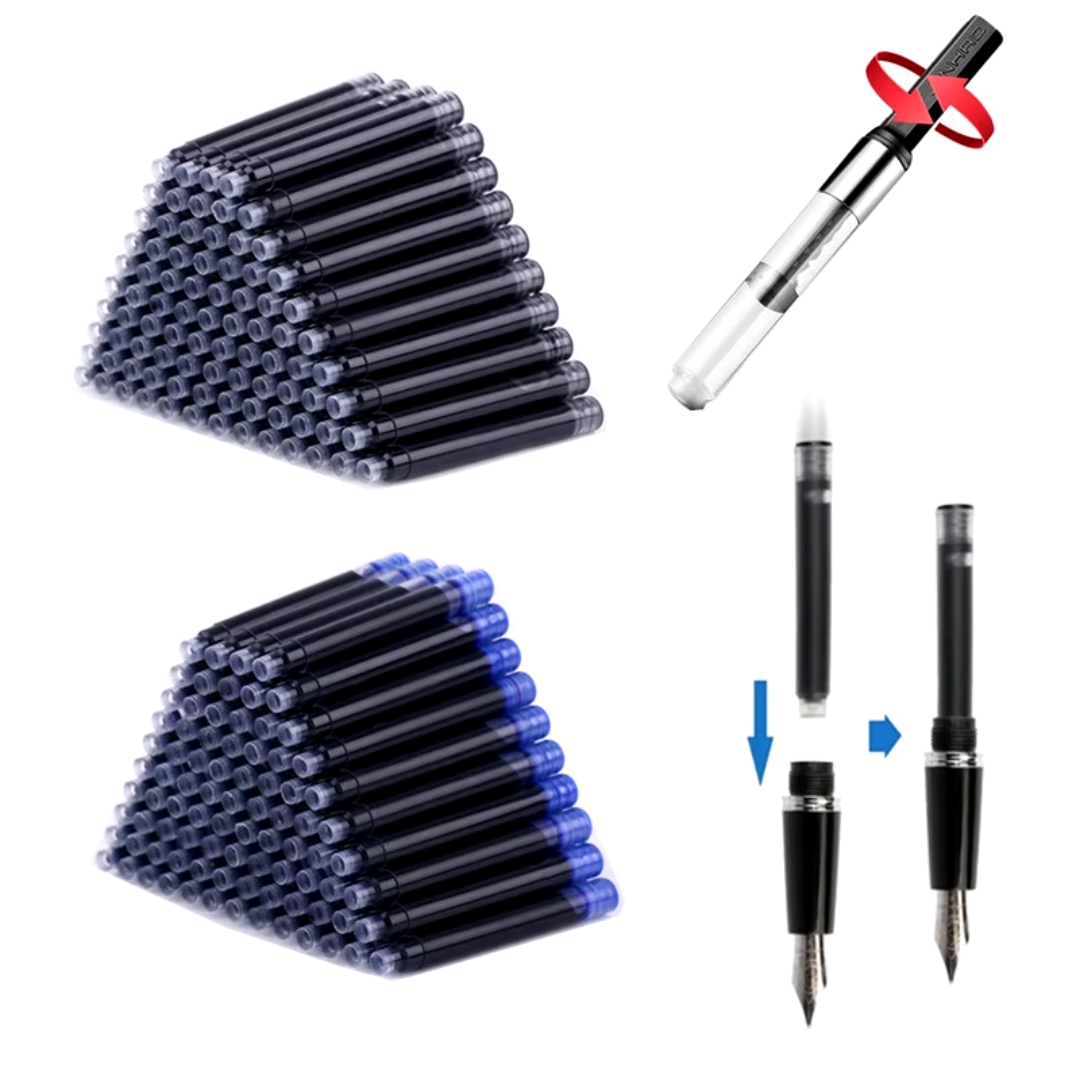
Pen ink has long been a silent hero in the evolution of Chinese art. From traditional calligraphy to modern illustrations, its role is deeply embedded in the creative processes of artists across dynasties. At China Art Hub, we recognize the subtle power of pen ink—not just as a tool, but as a cultural element that continues to shape artistic identity.
This guide offers a comprehensive look into the world of pen ink, how it supports Chinese art traditions, and why it’s still essential for creators today.
What Is Pen Ink in Chinese Art?
Pen ink in Chinese art is typically a carbon-based pigment mixed with a binding agent. Traditionally made from soot, pine smoke, and glue, it was pressed into solid sticks. Artists would grind these sticks on ink stones and add water to produce usable liquid ink.
Modern pen ink, used in fountain pens or ink pens, carries forward the legacy—often enhanced with richer pigments, smoother flow, and waterproof qualities.
Common Forms of Pen Ink Used Today:
| Ink Type | Composition | Use Case |
|---|---|---|
| Carbon-based Ink | Soot, water, glue | Traditional calligraphy, line art |
| Dye-based Ink | Synthetic dye, water | Colored sketching, everyday writing |
| Pigment-based Ink | Solid pigment particles in liquid | Archival artwork, professional sketching |
Why Pen Ink Matters in Chinese Creative Practice
-
Precision & Flow: Essential for fluid strokes in calligraphy and detailed illustration.
-
Longevity: High-quality ink resists fading over time—key for preserving traditional works.
-
Emotional Expression: Varying shades and saturation evoke moods, giving life to brush or pen movement.
Applications of Pen Ink in Chinese Art
1. Chinese Calligraphy
The rhythm of brushstrokes, the depth of each black line, and the spiritual connection to text—it all begins with ink. The soul of calligraphy lies in its ink performance.
“Without ink, the brush is silent.” — Chinese Proverb
2. Traditional Brush Painting
Though brush painting often uses watercolor-style ink, pen ink has found its place in fine detail work, particularly in outlines, architecture, and miniature styles.
3. Contemporary Ink Illustrations
At China Art Hub, modern artists blend fountain pen ink with digital techniques, bridging tradition with innovation. Ink drawing remains a key entry point for students of Chinese artistic styles.
Choosing the Right Pen Ink for Your Art
Here’s a buyer’s checklist when selecting pen ink for Chinese-inspired artworks:
-
Viscosity: Look for smooth-flowing inks that don’t clog or blot.
-
Color Richness: Especially for black ink, saturation is critical.
-
Dry Time: Faster drying ink helps prevent smudging.
-
Archival Quality: If longevity matters, go for pigment-based ink.
Quick Tips for Using Pen Ink Effectively
-
Store ink in a cool, sealed container to prevent evaporation.
-
Shake bottles gently before use to maintain pigment consistency.
-
Use ink-compatible brushes or pens (avoid mixing ink with watercolor brushes).
-
Always test ink on sample paper to assess bleed-through and drying time.
Frequently Asked Questions (FAQs)
Q1: Can pen ink be used for traditional Chinese calligraphy?
Yes, especially in fine calligraphy styles. However, artists may prefer ink sticks for ceremonial or high-detail work.
Q2: What’s the difference between pen ink and ink stick?
Pen ink is pre-liquid; ink sticks require grinding. Pen ink offers convenience, while ink sticks provide richer tones and traditional depth.
Q3: How should I store unused pen ink?
Keep it in a dark, airtight bottle. Avoid direct sunlight or heat sources to preserve pigment integrity.
Q4: Does pen ink fade over time?
Dye-based inks may fade under UV light. For long-term art, pigment-based or archival ink is recommended.
Data Snapshot: Pen Ink Preferences Among Artists
| Artist Type | Preferred Ink Type | Reason |
|---|---|---|
| Calligraphy Masters | Carbon-based or ink stick | Deep blacks, connection to tradition |
| Illustrators | Pigment-based ink | Color richness, fine lines |
| Students | Dye-based ink | Affordable, easy to work with |
| Designers | Hybrid (ink + digital) | Versatility in style and output |
Final Thought
Whether you’re a calligrapher reviving ancient traditions or a modern illustrator experimenting with detail, pen ink bridges cultures and centuries. At China Art Hub, we’re passionate about preserving this artistic element, and empowering artists to explore their unique voice through ink.