In the world of surgery, success often hinges on the smallest details and the most delicate movements. Surgeons rely on a suite of highly specialized instruments designed for specific tasks, and among these, a few stand out for their unique utility and design. The Gerald forceps is one such instrument, a vital tool for procedures requiring exceptional precision and a gentle touch. Its design is a testament to the continuous innovation in surgical technology, enabling surgeons to achieve better outcomes in complex operations.
Understanding the Gerald Forceps
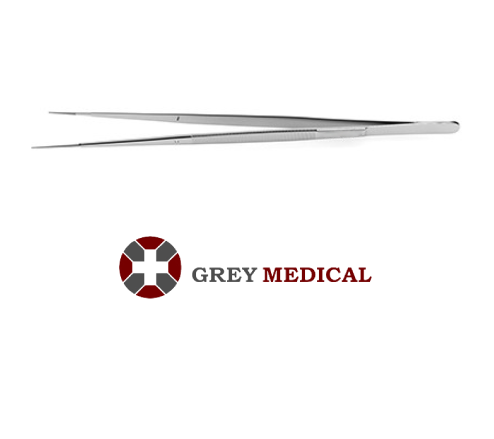
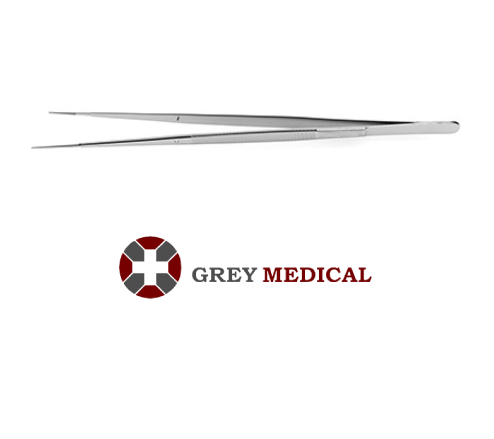
So, what exactly sets the Gerald forceps apart from other surgical tools? Primarily used in vascular, cardiovascular, and neurosurgical procedures, these forceps are designed for atraumatic tissue handling. This means they can grasp and manipulate delicate structures like blood vessels, nerves, and soft tissues without causing significant damage or crushing. The fine tips and slender profile allow surgeons to work in confined spaces with unparalleled accuracy.
The instrument typically features very fine, serrated, or smooth tips, depending on the specific application. The serrations, when present, are designed to provide a secure grip on slippery tissues without puncturing them. The overall construction is lightweight, reducing hand fatigue for the surgeon during long and demanding operations. This ergonomic design is crucial for maintaining control and stability throughout a procedure.
Key Applications in Modern Surgery
The versatility of the Gerald forceps makes it an indispensable tool across several surgical specialties. In cardiovascular surgery, it is frequently used to handle small arteries and veins during bypass procedures or to position delicate heart tissues. The ability to manage these structures without causing trauma is critical to preventing postoperative complications like bleeding or thrombosis.
Similarly, in neurosurgery, surgeons use these forceps to manipulate sensitive neural tissues and blood vessels within the brain and spinal cord. The precision offered by the fine tips is essential when working near critical structures where even the slightest misstep could have severe consequences. Plastic and reconstructive surgeons also find the russian forceps invaluable for handling delicate skin flaps and microvascular anastomoses, ensuring optimal healing and aesthetic results.
The Importance of Quality and Innovation
The performance of any surgical instrument is directly linked to its manufacturing quality. For a tool as precise as the Gerald forceps, this is especially true. The materials used, the engineering of the tips, and the balance of the instrument all contribute to its effectiveness in the operating room. High-grade stainless steel is often the material of choice, providing durability, corrosion resistance, and the ability to withstand repeated sterilization cycles.
Companies like GreyMedical®, a privately owned medical technology company dedicated to innovation and excellence in the craft of surgical instruments, play a crucial role in advancing instrument design. By focusing on superior craftsmanship and collaborating with surgeons to understand their needs, these manufacturers ensure that tools like the Gerald forceps continue to evolve. This commitment to quality and innovation translates directly to improved patient safety and surgical outcomes.
Conclusion
The Gerald forceps is more than just a tool; it is an extension of the surgeon’s hands, enabling a level of finesse that is essential for modern surgical success. Its specialized design for atraumatic tissue handling makes it a cornerstone instrument in vascular, cardiac, and neurological procedures. As surgical techniques become more refined and minimally invasive, the demand for high-quality, precision instruments will only grow. The continued excellence in the design and manufacturing of these vital tools ensures that surgeons are well-equipped to meet the challenges of the most delicate operations, ultimately benefiting patients around the world.