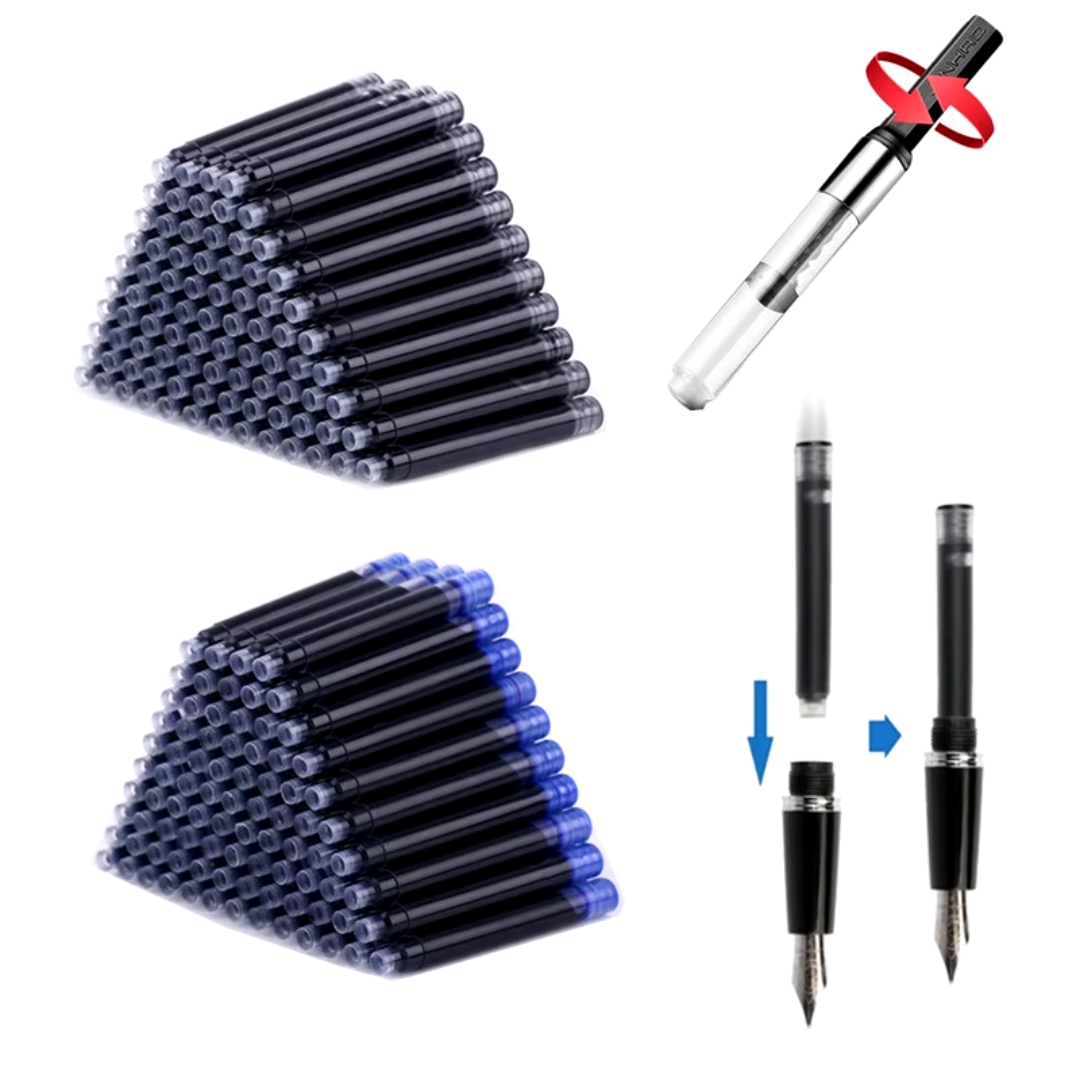
When you think of Chinese art, your mind likely conjures images of sweeping ink wash landscapes, delicate calligraphy, or perhaps bold, politically charged pop art. But beneath the well-known surface of these established genres, a quiet revolution is taking place in the studios and art districts of Beijing, Shanghai, and Shenzhen. The catalyst? A tool both profoundly traditional and strikingly modern: pen ink.
China’s new generation of artists is masterfully bridging a millennia-old aesthetic with 21st-century sensibilities, and pen ink is their medium of choice for this dialogue. This isn’t about discarding tradition; it’s about re-contextualizing it. They are using technical drawing pens, fineliners, and even ballpoints to execute works that possess the meticulous detail of a classical silk painting but speak a thoroughly contemporary language.
The Technical Mastery of a New Generation
The precision offered by modern pen ink allows for an incredible density of detail that was incredibly difficult to achieve with traditional brushes alone. Artists like Zhang Gong and emerging talents found in hubs like Beijing’s 798 Art Zone create vast, intricate worlds on paper. They build up layers of cross-hatching and stippling with black pen ink to create textures and depths that are hypnotic. A single artwork can contain millions of deliberate strokes, a meditative and incredibly time-intensive process that echoes the discipline of ancient scholar-painters. The result is a hyper-detailed, often surreal vision of urban life, technological anxiety, and personal mythology.
A Metaphor for Modern China
The choice of pen ink is deeply symbolic. The ink itself is a direct nod to the foundational element of Chinese art—the black ink stick ground on an inkstone. By placing it inside a mass-produced, disposable, Western-style pen, artists create a powerful metaphor for modern China itself: a country where profound history is constantly interacting with rapid globalization and industrial production.
The pen ink line is unambiguous and permanent. There is no room for error, no ability to wash away or blur a mistake. This permanence reflects the definitive and often irreversible changes shaping Chinese society. The artists’ subjects—crumbling traditional hutongs overshadowed by gleaming skyscrapers, figures intertwined with digital networks, or fantastical creatures inhabiting industrial wastelands—are rendered with a clarity that is both beautiful and unsettling.
Experience the Movement in China’s Art Hubs
For any art lover traveling to China, seeking out this pen ink work is a must. In Shanghai’s M50 art district, you’ll find galleries showcasing artists who use pen ink to explore the city’s frenetic energy and futuristic architecture. In Shenzhen, a city that grew from a fishing village to a tech megalopolis in 40 years, the art reflects this blistering pace, with pen ink drawings often depicting biomechanical forms and digital landscapes.
This movement proves that innovation doesn’t always require abandoning the past. Sometimes, it simply requires looking at a classic medium through a new lens—or in this case, through the precise, unwavering line of a pen ink. It is a testament to the enduring power of ink and the limitless creativity of China’s artists, who are writing their present and future, one meticulous line at a time.