Running a bar is an exciting business, but it comes with many challenges. From managing staff schedules to keeping track of inventory and ensuring smooth service during busy nights, there is a lot to handle. Many bar owners still rely on traditional methods like pen-and-paper or basic cash registers, which can slow down operations, cause mistakes, and even hurt profits. In today’s fast-paced hospitality industry, having the right tools is key to keeping customers happy and your business running efficiently.
Modern technology, particularly advanced point-of-sale (POS) systems, is changing the way bars operate. A well-designed POS system does more than just process payments—it helps streamline daily operations, track inventory, manage staff, and even provide valuable insights to improve profitability. By using a comprehensive POS system, bar owners can spend less time on administrative work and more time focusing on creating great customer experiences and increasing revenue.
Making Operations More Efficient
One of the biggest advantages of using a modern POS system in a bar is how it improves efficiency. During busy nights, every second counts. Orders need to be taken quickly and accurately, and bartenders need clear instructions to prepare drinks without errors. A POS system allows orders to be entered directly at the bar or on a tablet, sending them immediately to the right station. This reduces mistakes, speeds up service, and helps customers get their drinks faster. Faster service also means higher table turnover, allowing your bar to serve more guests in the same amount of time, which naturally boosts profits.
Efficiency isn’t just about speed—it’s also about having a clear overview of daily operations. With a modern POS system, managers can monitor real-time sales, track how busy different times of the day are, and ensure that staff and inventory are in the right place at the right time. This reduces confusion, prevents overstaffing or understaffing, and keeps operations running smoothly.
Controlling Inventory and Reducing Waste
Inventory management is one of the biggest challenges for bars. Drinks, mixers, and fresh ingredients can run out quickly, and over-ordering or waste can cost a bar a lot of money. A good POS system automatically tracks stock levels in real-time, alerting you when items are running low and helping you plan purchases better. This prevents situations where a popular drink is unavailable and reduces unnecessary waste.
By keeping track of what sells well and what doesn’t, bar owners can also make smarter decisions about inventory. Knowing which products are popular during certain times or days helps in ordering the right amount, which saves money and ensures you always have the drinks your customers want.
Using Data to Make Better Decisions
Modern POS systems come with reporting and analytics features that provide valuable insights into your business. These reports can show you which drinks are most popular, what times of the day are busiest, and which items are slow movers. With this data, you can make informed decisions about menu changes, pricing, and promotions.
For example, if a certain cocktail is consistently popular on weekend nights, you can create special promotions around it to boost sales even further. Conversely, if a drink isn’t selling well, you can consider removing it from the menu or offering it in a discounted bundle. Analytics like these allow bar owners to make smart decisions that directly improve profits.
Managing Staff and Improving Performance
A POS system can also make managing staff easier and more effective. Bars often have multiple employees working different shifts, and keeping track of schedules, performance, and tips can be complicated. A POS system allows managers to see how each employee is performing, monitor sales, and track hours worked.
This level of oversight ensures accountability and helps identify staff who may need extra training or support. When employees know their performance is being tracked and rewarded, they are more motivated to work efficiently, which ultimately improves the customer experience. Integrating staff management features with payroll systems also saves time and reduces administrative stress.
Enhancing the Customer Experience
Happy customers are the key to a profitable bar, and a POS system can help deliver better experiences. Many systems allow you to track customer preferences, such as favorite drinks or past orders. Staff can use this information to offer personalized service, which makes guests feel valued and encourages them to return.
Loyalty programs integrated into the system can also reward repeat customers, giving them incentives to come back more often. Offering promotions, discounts, or special treats based on purchase history strengthens customer loyalty and increases overall spending per visit.
To see a full example of how a system like this works in practice, check out this ovvi lounge solution. It shows how a bar can manage everything from sales to inventory and customer loyalty all in one place.
Accepting Modern Payment Methods
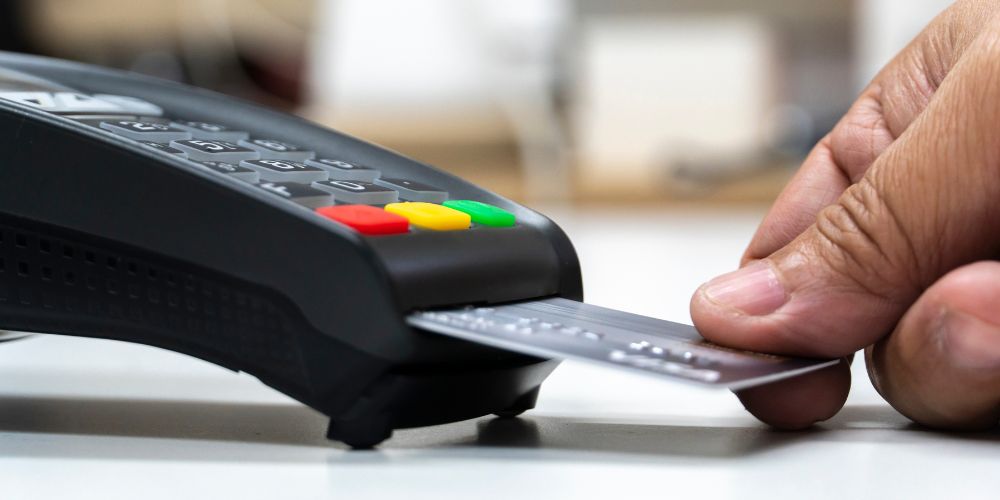
In today’s world, customers expect multiple payment options. A modern POS system accepts credit cards, debit cards, mobile wallets, and even online payments for takeout or delivery. This flexibility ensures customers can pay easily, reducing the risk of lost sales due to payment issues.
The convenience of multiple payment methods also encourages more spending. Guests are more likely to order extra drinks or food when the payment process is smooth and hassle-free, which directly increases revenue.
Staying Compliant and Financially Transparent
Bars must follow strict regulations related to alcohol sales, taxes, and labor laws. A POS system simplifies compliance by keeping accurate records of all transactions and generating detailed financial reports. This makes audits and tax filing much easier, reducing the risk of errors or penalties.
With clear records and automatic reporting, bar owners can also track profits and expenses more accurately. Knowing exactly how the business is performing at any given time allows for better planning and budgeting, which is essential for long-term success.
Managing Your Bar from Anywhere
Cloud-based POS systems allow bar owners to monitor operations remotely. Managers can check sales, inventory, and staff performance from anywhere using a smartphone or laptop. This mobility is especially useful for multi-location bars or owners who want to stay connected without being on-site all the time.
Having this level of access also helps make faster decisions. For example, if a certain drink is running low or a busy night is approaching, managers can make adjustments in real-time, keeping operations smooth and ensuring customer satisfaction.
Boosting Profits
All of these features combined—efficient operations, smart inventory management, staff oversight, enhanced customer experience, flexible payments, and data-driven decisions—directly lead to higher profits. Reducing waste, speeding up service, and encouraging repeat business all improve the bottom line.
Even small improvements, like faster order processing or personalized customer interactions, add up over time. When you leverage the full capabilities of a POS system, every aspect of the bar contributes to profitability, from the back office to the customer-facing floor.
Conclusion
A modern POS system is more than just a tool for processing payments—it’s a complete solution that can transform a bar’s operations. By streamlining tasks, improving efficiency, providing actionable insights, and enhancing the customer experience, these systems help bar owners save time, reduce costs, and increase profits.
Investing in the right POS system allows bars to stay competitive in a fast-changing industry. With accurate data, efficient staff management, better inventory control, and modern payment options, bar owners can focus on what matters most: delivering a great experience that keeps customers coming back. Using a POS system effectively is not just a technological upgrade; it’s a strategy to grow your business and ensure long-term success.