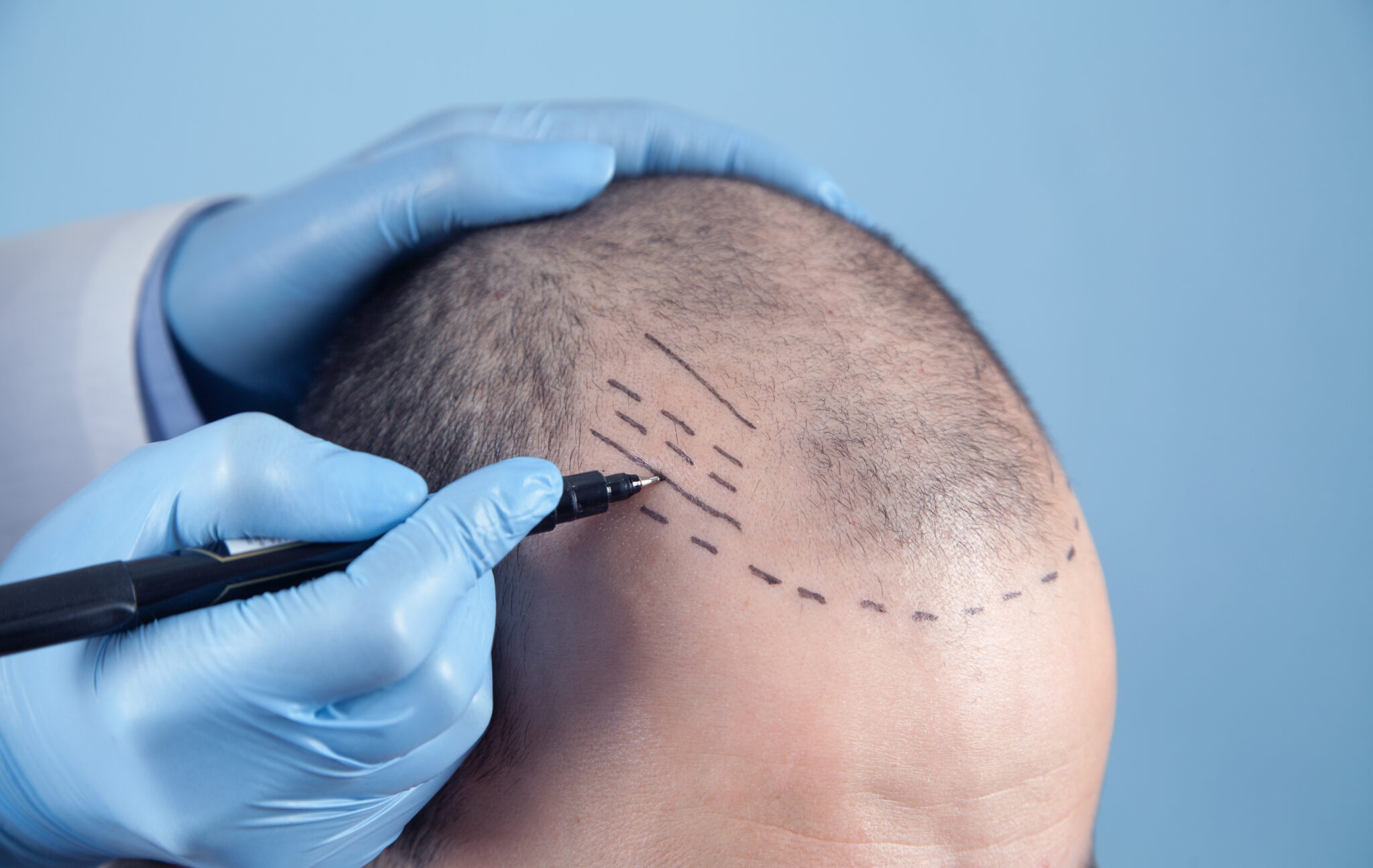
Hair thinning or baldness at the crown of the head is a common concern among men as they age. The crown, or vertex area, is one of the most visible parts of the scalp, and its spiral growth pattern makes hair loss more apparent. Thankfully, modern hair restoration techniques now offer permanent and natural-looking solutions. One of the most effective options is the Crown hair transplant in Islamabad, which targets this specific area to restore volume, density, and a youthful appearance. If you’re dealing with bald patches or thinning in your crown region, Crown hair transplant in Islamabad could be the right choice for you.
Understanding Crown Baldness
Crown baldness typically develops as part of male pattern baldness (androgenetic alopecia). It often starts as a small thinning spot at the top back of the scalp, which gradually expands into a larger bald area. The spiral-like hair growth pattern in the crown makes the area particularly complex to restore naturally.
This area can also be one of the last to regrow after medical treatments such as minoxidil, which is why many patients turn to surgical solutions when medications fail to produce noticeable improvements.
What Is a Crown Hair Transplant?
A crown hair transplant is a minimally invasive surgical procedure that involves moving hair follicles from denser regions of your scalp (usually the back and sides) to the crown area. The transplanted follicles are carefully implanted to mimic the natural swirl and growth direction of crown hair, creating realistic and permanent coverage.
Step-by-Step: How Does a Crown Hair Transplant Work?
1. Initial Consultation and Assessment
The process begins with a detailed consultation where the surgeon:
-
Assesses the extent of crown baldness.
-
Evaluates donor hair availability.
-
Discusses goals and expectations.
-
Determines if you’re a suitable candidate.
Your scalp will be examined to identify the number of grafts needed and whether the crown can be restored in one session or multiple.
2. Hairline and Crown Design
For a natural outcome, your surgeon will design the crown restoration plan according to your:
-
Original hair growth pattern (whorl or swirl).
-
Head shape.
-
Density requirements.
-
Long-term progression of hair loss.
Since the crown area is circular, special attention is paid to the direction, angle, and depth of graft placement.
3. Donor Area Preparation
The donor site—typically the back or sides of the scalp—is trimmed and sterilized. This area is chosen because the hair here is genetically resistant to DHT (the hormone responsible for baldness), making it ideal for transplantation.
4. Extraction of Hair Follicles
Depending on the chosen technique, your surgeon will extract the follicles using one of the following:
-
FUE (Follicular Unit Extraction): Individual grafts are extracted using a micro-punch tool.
-
FUT (Follicular Unit Transplantation): A thin strip of scalp is removed, and grafts are dissected under a microscope.
FUE is the most common method used today, especially in Islamabad, due to its minimal scarring and quicker recovery time.
5. Graft Preparation and Counting
Once extracted, grafts are sorted and counted. They may contain 1 to 4 hairs per follicular unit. The number of grafts needed for a crown transplant generally ranges from:
-
1000–1500 grafts for minor thinning.
-
2000–3000+ grafts for moderate to severe baldness.
6. Recipient Area Preparation
Tiny incisions are made in the crown area where the grafts will be implanted. These incisions must follow the natural spiral pattern of your original hair growth for the results to look natural.
Your surgeon will carefully calculate:
-
Angle and direction of each incision.
-
Spacing between grafts for optimal density.
-
Depth of the incisions to ensure proper anchoring.
7. Implantation of Hair Follicles
Each follicular unit is implanted manually using fine instruments. The placement is time-consuming but essential for a natural result.
Because the crown has a unique growth pattern, it takes more time and precision to implant grafts compared to the frontal hairline. The surgeon must ensure the crown’s whorl is restored properly.
8. Post-Procedure Aftercare
After the surgery, you’ll receive detailed aftercare instructions, which typically include:
-
Avoiding scratching, rubbing, or touching the grafted area.
-
Sleeping with your head elevated.
-
Your hair loss has stabilized.
-
You have sufficient donor hair.
-
You are in good overall health.
-
-
nti-inflammatories).
-
Washing your scalp gently after 3–5 days.You have realistic expectations regarding the results and timeline.
Using prescribed medications (like antibiotics or a
What to Expect After the Procedure
Shedding Phase
Within the first 2–3 weeks, the transplanted hairs will shed, which is completely normal. This is known as shock loss, and it’s part of the hair growth cycle.
Growth Phase
-
3–4 months: New hair begins to grow.
-
6 months: You’ll start noticing a difference in volume and density.
-
12–18 months: Final results become fully visible, with complete integration of transplanted hairs.
Since crown hair grows slower than frontal hair, patience is essential.
Advantages of Crown Hair Transplant
-
Permanent solution to crown baldness.
-
Natural results when performed by an experienced surgeon.
-
Minimal downtime with modern techniques.
-
Boost in self-confidence and aesthetic appeal.
Are There Any Risks?
While complications are rare, they may include:
-
Swelling and discomfort.
-
Minor bleeding or infection.
-
Temporary numbness in donor/recipient areas.
-
Patchy growth if not done correctly.
Most of these are temporary and can be avoided with proper post-operative care and by choosing a skilled clinic.
Is Crown Hair Transplant Right for You?
You are likely a good candidate if
-
-
-
Final Words
Crown hair loss doesn’t have to be permanent. With modern advancements in surgical hair restoration, patients can now enjoy full, natural-looking hair in the crown area once again. The process is safe, effective, and offers long-term benefits when done correctly.
If you are considering a Crown hair transplant in Islamabad, make sure to consult with professionals who specialize in crown restoration. The Dynamic Clinic in Islamabad offers advanced technology, experienced surgeons, and personalized care to ensure you achieve the best possible results for your crown hair restoration journey.