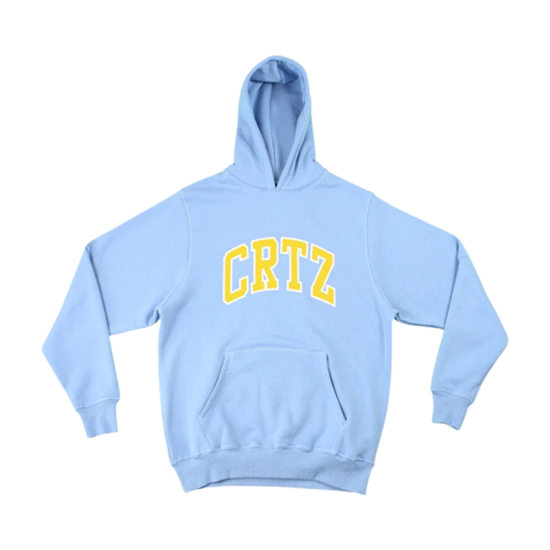
Fashion is often described as a second skin, an outward reflection of the inward self. But few brands manage to turn clothing into something heavier, something layered with meaning and belonging. Corteiz has earned a reputation for doing just that. More than garments, its drops feel like personal declarations, coded messages, and cultural anchors. The question is, how does this brand manage to give its clothes the weight of identity? Let’s break it down.
What Makes Clothing More Than Just Fabric?
Clothes can be just material stitched together, or they can become symbolic pieces that carry stories and power. The distinction lies in the culture, the design philosophy, and the intent behind them. When people wear something that resonates with their values or reflects their worldview, it stops being just fabric. It becomes a badge of who they are.
This transformation is what fuels loyalty. Clothing tied to identity provides both individual confidence and collective connection. For Corteiz, this means that every hoodie, every tracksuit, or even the simplest tee is designed to carry meaning far beyond aesthetics. That’s why fans don’t just “buy” clothes; they join a movement.
How Does Corteiz Capture the Language of Rebellion?
In fashion, rebellion is not about chaos; it’s about resistance. Streetwear historically emerged from those who challenged mainstream norms, carving out alternative spaces of style. Corteiz captures this spirit by creating pieces that communicate independence and non-conformity.
Through limited drops and unconventional marketing strategies, the brand signals exclusivity and defiance. When you wear its gear, you’re not just dressing, you’re declaring. The weight of identity comes from that rebellious tone, offering wearers the chance to say: I don’t follow trends. I write my own rules.
Why Do Limited Drops Add Emotional Weight?
Scarcity makes anything more valuable, but in fashion, it also adds emotional resonance. Corteiz thrives on its selective release culture, where drops are rare and demand far exceeds supply. This scarcity forces people to fight for access, often creating a community bond between those who succeed.
The emotional journey from anticipation to acquisition turns each piece into a milestone rather than a simple purchase. That limited availability is what makes ownership symbolic. It’s not just about the look; it’s about the story of having something others couldn’t get. That alone adds identity-driven weight to the brand.
How Does Corteiz Connect to Street Culture?
The streets have always been a birthplace of cultural innovation. Whether in music, art, or style, authenticity flows from grassroots communities. Felpa Corteiz has positioned itself as deeply connected to these spaces, not as an outsider, but as a product of them.
Its designs speak the language of the streets, raw, unapologetic, and community-driven. This connection ensures that wearers feel aligned with a culture bigger than themselves. The identity they put on with the clothes isn’t abstract; it’s grounded in shared values, lived realities, and a refusal to water down authenticity.
In What Ways Do Symbols and Graphics Carry Identity?
Visuals matter as much as fabric. Graphics, logos, and design choices are cultural codes, sending signals to those who understand them. Corteiz uses strong imagery that feels almost like underground messaging, clear to insiders, invisible to outsiders.
This strategy turns its clothing into identifiers. To someone in the know, a logo isn’t decoration, it’s affiliation. Wearing these symbols communicates belonging to a specific cultural ecosystem. That power is what transforms clothing into an extension of self, allowing wearers to say who they are without uttering a word.
How Do Community and Exclusivity Intersect?
Fashion brands often chase mass audiences, but exclusivity can sometimes strengthen identity even more. Corteiz builds community not by appealing to everyone, but by tightly holding onto those who understand its vision. This selective approach makes the brand feel like a secret society, one you earn your way into.
When identity is tied to community, clothing becomes ritualistic. It’s not about following trends, it’s about participating in something meaningful. Exclusivity here doesn’t isolate; it bonds. Those who wear the brand recognise one another, almost like silent nods of belonging. That community weight is what makes the clothes feel alive with significance.
Why Does Wearing Corteiz Feel Like Carrying a Story?
Every article of clothing has a story, but not every brand makes you feel it. Corteiz has mastered storytelling by embedding culture, rebellion, scarcity, and symbolism into every release. When someone puts on a hoodie or a jacket, they’re wearing more than style; they’re wearing the story of resilience, of choosing authenticity over conformity, of being part of a cultural code that outsiders can’t easily decode.
That’s why the clothes feel heavy with meaning. They represent more than taste; they represent position. In a world of fast fashion and endless repetition, owning a piece feels like owning a fragment of cultural history. Identity, in this case, is not simply reflected; it’s carried, worn, and performed through the brand’s garments.
Corteiz has shown the world that clothing doesn’t have to be shallow; it can be identity in motion. Through its rebellion-driven designs, scarcity-based drops, cultural alignment, and storytelling symbols, it transforms fabric into meaning. People don’t just wear its clothes; they wear their beliefs, their resistance, their belonging. That’s what makes the brand feel like more than fashion. Its identity is stitched into every seam, ready to be carried into the streets, into culture, and into history.