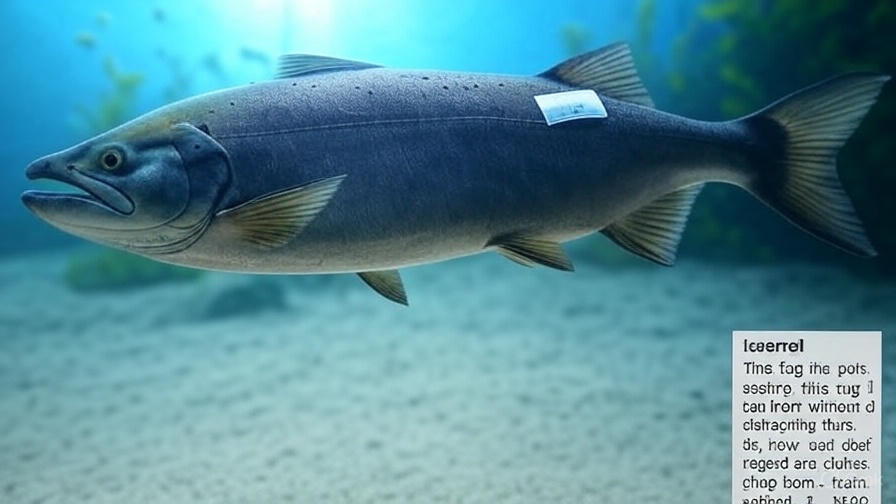
How Fish Tags Help Track Migration and Behavior in Aquatic Species
Aquatic ecosystems are dynamic and constantly changing due to climate shifts, habitat loss, and human interference. To study these changes effectively, scientists rely on fish tags, which provide precise data on migration, feeding habits, and population patterns. If you’re interested in advanced tagging solutions, you can explore high-quality Fish tags designed for accurate monitoring and long-term studies.
What Are Fish Tags and How Do They Work?
Fish tags are tiny devices attached to or implanted in fish to collect data about their movement, behavior, and environment. They range from simple identification markers to sophisticated electronic sensors capable of transmitting real-time data. By monitoring tagged fish, researchers gain valuable insights into aquatic ecosystems and how various species adapt to environmental pressures.
Types of Fish Tags Used in Research
1. Passive Integrated Transponder (PIT) Tags
PIT tags store a unique ID number and require a scanner to read the data, making them ideal for tracking fish that frequently pass through monitoring stations.
2. Acoustic Fish Tags
These tags transmit sound waves detected by underwater receivers, enabling researchers to track fish across large distances.
3. Satellite Fish Tags
Perfect for studying migratory species, satellite tags send collected data directly to researchers, even from remote ocean regions.
4. Archival Data Loggers
These internal tags record temperature, depth, and location, later retrieved when the fish is recaptured.
Innovations in Fish Tag Technology
1. Miniaturization of Tags
Advancements have led to smaller and lighter fish tags, reducing the stress on fish and allowing tagging of smaller species.
2. Extended Battery Life
Modern tags last longer, enabling long-term studies without the need for frequent replacement.
3. AI-Powered Data Analysis
Integration of AI tools allows researchers to process large datasets quickly and detect behavioral patterns.
4. Integration with Environmental Sensors
Some fish tags now measure surrounding water conditions like salinity, pH, and temperature for better ecological assessments.
Applications of Fish Tags in Aquatic Research
Tracking Migration Patterns
Fish tags help scientists monitor seasonal movements and determine how species respond to environmental shifts.
Understanding Feeding Behaviors
By studying tagged fish, researchers learn where fish feed, when, and how climate variations impact food availability.
Conservation of Endangered Species
Tagging plays a vital role in identifying critical habitats and protecting species at risk of extinction.
Managing Fisheries More Effectively
Fisheries managers use data from fish tags to regulate catch limits, ensuring sustainability and ecological balance.
Challenges in Using Fish Tags
While highly effective, fish tagging faces challenges such as high costs, potential stress to fish during tagging, and environmental interference affecting signal accuracy. However, ongoing technological improvements continue to reduce these limitations.
Conclusion
The use of fish tags has transformed aquatic research, enabling scientists to track migration, understand behavioral changes, and manage fish populations effectively. As technology evolves, these tools will become even more precise and eco-friendly, ensuring better conservation and sustainable fisheries management.
FAQs
1. How do scientists choose the right tag for a fish species?
The choice depends on species size, migration range, and study objectives.
2. Do tags affect fish behavior or survival?
Modern tags are designed to be lightweight and minimally invasive, minimizing any behavioral disruptions.
3. How long can tagged fish be tracked?
Tracking duration varies from several months to multiple years, depending on tag type and battery capacity.
4. Why are acoustic tags preferred in freshwater studies?
Acoustic signals travel better in rivers and lakes, making them ideal for freshwater environments.
5. Can tags provide environmental data alongside fish movement?
Yes, many advanced tags record temperature, depth, and water quality in addition to location.
6. How do researchers retrieve data from archival tags?
These tags store data internally and require recapture of the fish to extract the information.
7. What is the role of satellite tags in oceanic research?
Satellite tags are crucial for tracking highly migratory species across vast ocean areas.
8. How does fish tagging support ecosystem management?
By analyzing migration and breeding data, researchers develop strategies for sustainable resource use.
9. Are fish tags reusable after retrieval?
Some types, like PIT tags, can be reused if undamaged, but most electronic tags are designed for single use.
10. How accurate is modern fish tagging technology?
With advanced receivers and GPS integration, modern tags provide near-real-time and highly precise tracking data.