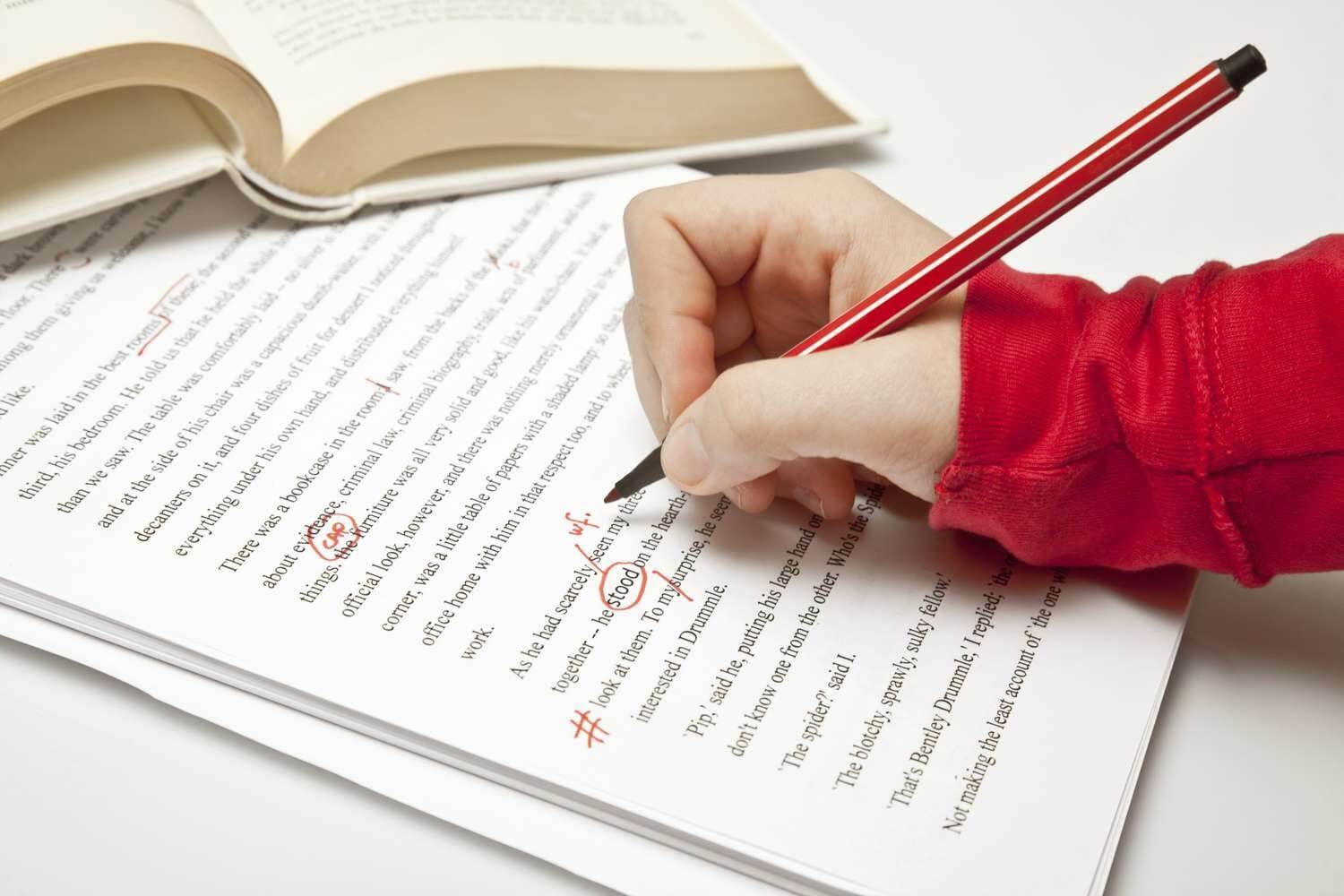
Writing a book is a deeply personal, often transformative experience. It demands your time, ideas, and heart. But finishing your manuscript is just the beginning. To turn your raw draft into a book that earns trust, captivates readers, and competes on the shelves (digital or physical), it needs something more: professional polishing.
Enter formatting and editing—the two unsung heroes of every successful book. These steps don’t just make your manuscript readable. They make it publishable.
The Importance of Professional Eyes (and Expertise)
Let’s be honest—no matter how strong your story or message is, a book riddled with typos, structural issues, or clunky layout will lose readers within minutes. Even worse, it can damage your reputation as a serious author.
That’s where professional book editing services become invaluable. Editors bring a fresh, objective perspective to your work. They fine-tune your voice, improve clarity, and ensure that your ideas are presented as powerfully as you intended. Meanwhile, formatting brings order to the visual chaos, making sure your book isn’t just well-written, but also easy to read, pleasant to navigate, and ready for any publishing platform.
Together, editing and formatting take your manuscript from “work in progress” to “ready for the world.”
What Exactly Is Professional Book Editing?
Editing is more than catching typos. It’s a layered process that strengthens your manuscript on every level. Professional editors work through stages such as:
-
Developmental Editing: Looks at structure, flow, and content. Are the ideas in the right order? Are there gaps in logic or storytelling?
-
Line Editing: Polishes your tone, transitions, and style. It ensures your writing is fluid and compelling.
-
Copyediting: Fixes grammar, punctuation, syntax, and consistency.
-
Proofreading: A final sweep for surface-level errors before formatting.
This editorial process doesn’t change your voice—it enhances it. Like a skilled sculptor, an editor helps bring out the best version of your work.
Formatting: Where Function Meets Professionalism
While editing is about the words, formatting is about how they appear. It’s the behind-the-scenes work that ensures your manuscript is readable across all platforms—from print to eBook to mobile.
Good formatting includes:
-
Proper trim sizes and margins
-
Correct font usage (and size for readability)
-
Clean headers, footers, and page numbers
-
Consistent chapter breaks
-
Table of contents (with clickable links for eBooks)
-
Hyphenation, alignment, and spacing adjustments
These may seem like small details, but they make a huge impact on your reader’s experience. Sloppy formatting can distract and frustrate, even if the writing is brilliant. On the other hand, a well-formatted book communicates professionalism and earns the reader’s trust before they even get to chapter one.
Why Editing and Formatting Must Work Together
You can’t format a book that hasn’t been properly edited—and you shouldn’t edit a layout that isn’t final. These two processes complement one another like choreography and music.
Editing ensures your content is sharp, coherent, and error-free. Formatting ensures that this polished content is visually seamless and technically aligned with publishing standards.
When both are done professionally, your book feels effortless to read. Chapters flow, text aligns, and nothing distracts from your message. It’s the difference between a book that feels “homemade” and one that feels “ready for shelves.”
DIY Mistakes That Can Ruin Your Book’s First Impression
Many first-time authors make the mistake of skipping professional editing or relying on Word’s spellcheck and formatting templates. The result?
-
Inconsistent fonts or spacing
-
Unintended page breaks or “widowed” lines
-
Grammar or punctuation errors missed by AI tools
-
EBooks that don’t function properly on Kindle or Apple Books
-
Print books rejected by POD services due to margin or file issues
Readers may not always know why something feels off, but they will notice. A single formatting or grammar mistake can break immersion—and potentially cost you a 5-star review.
The Long-Term Value of Doing It Right
Your book is more than a product—it’s a representation of your ideas, expertise, and creativity. When you invest in professional editing and formatting, you’re investing in your reputation, reader satisfaction, and long-term brand as an author.
Polished books tend to:
-
Earn better reviews (because they’re easier to read and more impactful)
-
Lead to more word-of-mouth referrals
-
Convert better when pitched to agents or publishers
-
Build trust with your audience (especially important for nonfiction and business books)
This isn’t just about aesthetics—it’s about credibility.
Where to Find the Right Help
If you’re self-publishing, there are several great options to find experienced editors and formatters:
-
Freelance platforms like Reedsy or Upwork
-
Boutique publishing services that offer bundled support
-
Referrals from author communities and writing groups
Look for professionals who understand your genre, offer samples, and can walk you through their process. Brands like Logo Shines—though better known for design—reflect the importance of working with experts who care about the small details that elevate a brand. The same mindset applies to your book.
Final Thoughts
Your story deserves more than a quick export and a rushed upload. It deserves care. Craft. Precision.
Professional formatting and editing are what take your manuscript from “just finished” to “ready to impress.” They help you stand tall in a saturated marketplace and build a lasting connection with readers who expect quality.
So when you type “The End,” don’t stop there. Give your book the finishing touches it deserves—and let your message shine through, page after polished page.