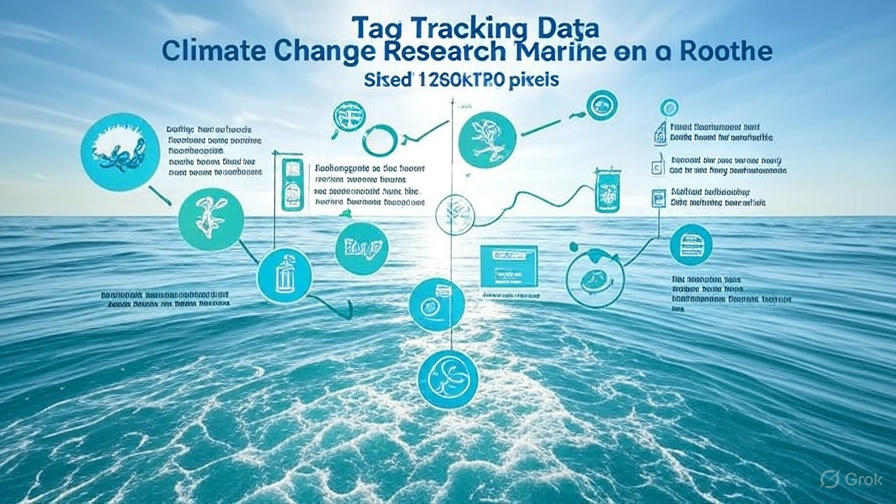
How Tag Tracking Data Supports Climate Change Research in Marine Ecosystems
Climate change has a profound impact on marine ecosystems, influencing everything from migration patterns to species survival rates. One of the most effective tools for studying these effects is tag tracking technology. By using advanced tracking systems, researchers collect valuable data that provides insights into animal behavior, habitat changes, and the overall health of marine environments. To explore related tools, you can check out high-quality Tag tracking solutions designed for real-time monitoring.
The Importance of Tag Tracking in Marine Research
Tag tracking is a method where scientists attach electronic tags to marine animals to monitor their location, behavior, and environmental conditions. This technology has become essential in understanding how climate change affects different species and ecosystems. As ocean temperatures rise and food chains shift, researchers rely on accurate, real-time data to make informed conservation decisions.
Recent Innovations in Tag Tracking Systems
1. Satellite-Enabled Tracking Devices
Modern tag tracking systems now integrate satellite communication, allowing researchers to monitor animal movements across vast oceanic distances with unprecedented accuracy.
2. AI-Enhanced Behavior Analysis
Advanced algorithms analyze tag data to predict migration routes, feeding patterns, and behavioral changes caused by climate-related stressors.
3. Miniaturized, Non-Invasive Tags
Newer devices are smaller, lighter, and designed to reduce discomfort to animals, enabling long-term studies without disturbing natural behaviors.
4. Integration with Oceanographic Data
Tag tracking systems are increasingly paired with environmental sensors that measure water temperature, salinity, and oxygen levels, providing a comprehensive understanding of climate change impacts.
5. Real-Time Data Sharing Platforms
Researchers worldwide now collaborate via cloud-based systems, instantly accessing shared tracking data to accelerate marine conservation efforts.
Applications of Tag Tracking in Climate Change Research
Monitoring Species Migration
Tag tracking helps scientists understand how species shift their migration routes in response to warming oceans and habitat loss.
Identifying Climate-Sensitive Habitats
By observing where marine species gather, researchers can identify vulnerable ecosystems most affected by temperature fluctuations.
Tracking Breeding and Feeding Patterns
Climate change affects food availability, and tracking devices reveal how marine animals adapt their behaviors to changing conditions.
Assessing Population Health
Continuous monitoring of individual species allows scientists to track population trends, survival rates, and the overall balance of marine ecosystems.
Challenges and Opportunities in Tag Tracking Research
Despite its benefits, tag tracking faces challenges such as device cost, battery limitations, and harsh underwater conditions. However, innovations in energy-efficient tags, improved data security, and AI-driven insights are overcoming these hurdles, making research more accurate and sustainable.
Conclusion
Climate change poses significant threats to marine biodiversity, but advances in tag tracking technology empower scientists to better understand and protect ocean ecosystems. With real-time monitoring, AI integration, and collaborative research platforms, the future of marine conservation looks more promising than ever.
FAQs
1. How do tracking devices collect marine data?
They record location, depth, temperature, and movement patterns, which are transmitted to researchers in real-time.
2. What makes satellite-enabled tags more effective?
They allow researchers to monitor animal movements across global oceans without geographical restrictions.
3. How does ocean warming impact marine life migration?
Rising temperatures force species to move toward cooler waters, altering traditional migration patterns.
4. Can tracking tags harm marine animals?
No, modern tags are lightweight and minimally invasive, designed to avoid disrupting natural behavior.
5. How long do marine tracking studies usually last?
Depending on the battery and study design, tracking can last from several months to multiple years.
6. Why is global data sharing important in marine studies?
Shared databases accelerate research by allowing scientists worldwide to access and analyze collective findings.
7. How accurate is real-time tracking in deep oceans?
Recent advancements in satellite and acoustic technology ensure highly precise data, even in remote waters.
8. What environmental parameters are recorded alongside animal movement?
Temperature, salinity, pH levels, and oxygen content are commonly measured.
9. How do AI tools assist in interpreting tracking data?
AI analyzes large datasets quickly, identifying behavior trends and predicting future movement patterns.
10. Can tracking data help prevent species extinction?
Yes, by providing insights into habitat needs and migration paths, conservationists can take proactive measures to protect vulnerable species.