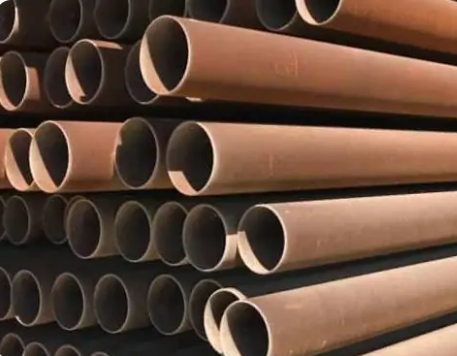
In power plants, Air Preheater (APH) tubes are critical components used to recover heat from flue gases and improve boiler efficiency. These tubes not only help reduce fuel consumption but also lower greenhouse gas emissions. Choosing the right APH tubes is essential for maximizing energy recovery, ensuring equipment longevity, and maintaining operational safety. Below is a comprehensive guide to help you understand how to select the best APH tubes for power plant applications.
What Are APH Tubes?
APH tubes are a part of the air preheater system installed in power plants. These tubular heat exchangers transfer heat from exhaust flue gases to incoming combustion air. The preheated air improves combustion efficiency and increases boiler performance. Since these tubes are continuously exposed to high temperatures and corrosive gases, they must be made from high-quality, heat-resistant materials.
Key Factors to Consider When Choosing APH Tubes
1. Material Composition
Material selection is perhaps the most important factor. APH tubes are typically made from:
-
Carbon Steel: Commonly used for moderate temperature environments. Cost-effective and easy to fabricate.
-
Corten Steel (Weathering Steel): Offers better corrosion resistance and is ideal for environments with high moisture and acidic gases.
-
Stainless Steel (304/316): Best for highly corrosive environments and high-temperature applications.
-
Alloy Steels: Provide superior resistance to thermal fatigue and oxidation.
The selection depends on operating temperature, flue gas composition, and the expected service life.
2. Corrosion Resistance
Since APH tubes are exposed to aggressive environments, corrosion is a major concern. Sulfur compounds, acid condensation, and moisture can deteriorate the tube walls. Materials like corten steel or stainless steel are often used in areas prone to high corrosion to increase the service life of the tubes.
3. Thermal Conductivity
Efficient heat transfer is vital. A material with high thermal conductivity ensures better performance of the preheater. Metals like aluminum and copper have high thermal conductivity but are not used due to low strength and corrosion issues. Instead, steel alloys are chosen for their balance of thermal performance and mechanical strength.
4. Operating Temperature
Different materials are suitable for different temperature ranges. For example:
-
Carbon steel is suitable up to ~400°C.
-
Stainless steel can handle temperatures up to ~870°C.
-
Alloy steels like T22 and T91 can endure even higher temperatures.
Understanding your system’s thermal profile is critical for selecting the right material.
5. Tube Dimensions and Thickness
Choosing the right diameter and wall thickness is essential to balance heat transfer efficiency and mechanical strength. Thin-walled tubes may enhance heat transfer but are more prone to wear and corrosion. Consult your design engineer to select appropriate sizes for pressure handling and thermal efficiency.
6. Coating and Surface Treatments
Protective coatings like enamel, ceramic, or anti-corrosive paints can significantly increase the lifespan of APH tubes. Coatings also reduce fouling and maintenance needs, especially in coal-fired power plants where soot and ash accumulation is common.
Common Applications of APH Tubes
-
Thermal Power Plants: Improve combustion efficiency and reduce emissions.
-
Chemical Plants: Used in heat recovery systems to reduce energy costs.
-
Cement Plants: Help preheat air used in kilns, reducing fuel usage.
-
Refineries: Maintain optimal air-fuel ratios in furnaces.
Choosing the right APH tube ensures reliability in all these applications.
Benefits of Choosing the Right APH Tubes
✅ Improved thermal efficiency
✅ Longer equipment lifespan
✅ Reduced maintenance costs
✅ Lower emissions and operational costs
✅ Enhanced safety and reliability
Working with a Trusted APH Tube Supplier
To ensure quality and long-term performance, always work with a trusted APH tube manufacturer or stockist. They can guide you with material certifications, customization options, and after-sales support. Ensure the supplier complies with relevant standards like ASME, ASTM, or ISO.
Conclusion
APH tubes may seem like a small part of a massive power plant system, but they play a pivotal role in energy efficiency and system reliability. By considering material composition, temperature handling, corrosion resistance, and trusted manufacturing sources, you can make a well-informed decision. The right APH tubes not only enhance performance but also contribute to long-term sustainability and cost savings in power generation.