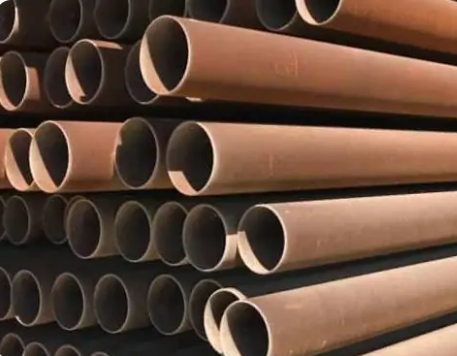
In power plant operations, efficiency and reliability are non-negotiable. One critical component that directly affects both is the Air Preheater (APH), specifically, the APH tubes inside it. These tubes play a crucial role in recovering heat from flue gases to preheat the air entering the combustion chamber. This process significantly enhances fuel efficiency and reduces emissions. But not all APH tubes are created equal. Selecting the right ones for your power plant can have a lasting impact on performance, maintenance costs, and longevity.
This blog will help you understand what APH tubes are, why they matter, and how to choose the right type for your application.
What Are APH Tubes?
APH tubes are heat exchange tubes located inside an air preheater unit. Their main job is to transfer heat from hot flue gases to the incoming air that fuels the boiler. This heat exchange process improves thermal efficiency by reducing the need for external heating sources. These tubes are typically made from various grades of steel and designed to withstand harsh conditions such as high temperatures, corrosive gases, and particulate matter.
Why Choosing the Right APH Tubes Matters
Selecting the correct APH tubes for your power plant can impact:
-
Energy Efficiency: The better the heat transfer capability, the less fuel is needed.
-
Operational Life: The right material can resist corrosion and erosion, reducing downtime.
-
Maintenance Costs: Durable tubes mean fewer replacements and lower long-term costs.
-
Emission Control: Efficient heat transfer helps reduce overall emissions.
Given the importance of these tubes, making an informed choice is vital.
Key Factors to Consider When Choosing APH Tubes
1. Material Selection
The material of APH tubes determines their resistance to temperature, corrosion, and wear. Common materials include:
-
Carbon Steel (CS): Cost-effective and widely used, but not ideal for high-corrosion environments.
-
Corten Steel (Weathering Steel): Offers improved resistance to atmospheric corrosion.
-
Alloy Steel (like T11, T22): Suitable for higher temperature operations.
-
Stainless Steel (304, 316, 409): Excellent corrosion resistance and durability.
Tip: Choose stainless steel if your plant operates in a high-sulfur or corrosive environment.
2. Temperature Resistance
Power plants operate at high temperatures. Ensure the APH tubes you select can withstand these conditions without warping, cracking, or scaling. For high-pressure boilers, alloy steel or stainless steel APH tubes are preferred due to their superior thermal stability.
3. Corrosion and Erosion Resistance
Flue gases often contain acidic elements like sulfur dioxide, which can corrode metal over time. Soot and ash particles also cause erosion. To minimize this:
-
Consider coated or surface-treated tubes for extra protection.
-
Use stainless steel or corrosion-resistant alloys in aggressive environments.
4. Tube Thickness and Diameter
The wall thickness and outer diameter affect both the strength and heat transfer capability of the APH tubes.
-
Thicker tubes offer longer life but may reduce heat exchange efficiency.
-
Thinner tubes enhance heat transfer but are more vulnerable to erosion.
Balance is key—consult your plant’s engineering team for precise design parameters.
5. Compliance with Standards
Ensure your APH tubes meet industry standards such as:
-
ASTM A423/A213
-
EN 10216-2
-
BS 3059
Using standardized tubes ensures quality, reliability, and compatibility with existing systems.
6. Customization and Manufacturer Support
Power plants often require tubes of specific lengths, coatings, and mechanical properties. Choose a reliable APH tube manufacturer who can offer customization, timely delivery, and technical support.
Popular Applications of APH Tubes in Power Plants
-
Coal-Fired Power Plants
-
Thermal Power Plants
-
Biomass Power Generation
-
Waste-to-Energy Plants
In each of these applications, APH tubes play a pivotal role in improving combustion efficiency and reducing fuel consumption.
Signs It’s Time to Replace APH Tubes
-
Increased stack temperature
-
Reduced boiler efficiency
-
Frequent air leakage
-
Visible scaling or pitting corrosion
If you notice these signs, consult with your maintenance team or supplier for a replacement strategy.
Conclusion
Choosing the right APH tubes for your power plant is more than just a procurement decision—it’s a strategic investment in operational efficiency, longevity, and sustainability. From selecting the appropriate material to ensuring compliance with industrial standards, every step in the decision-making process matters.
Whether you operate a thermal, biomass, or coal-fired power plant, high-quality APH tubes can drastically improve performance while minimizing costs. Always partner with a trusted manufacturer who understands your specific operational needs and can deliver custom solutions accordingly.