As a parent or caregiver, nothing is more important than your child’s health and safety. For many families, allergies—particularly skin allergies—can be a daily concern. Kids, especially toddlers, have sensitive skin that can react to certain materials, dyes, and finishes used in everyday items such as clothing, toys, bedding, and furniture. Knowing how to identify and choose allergy-safe materials for your child is crucial in reducing exposure to allergens and ensuring their well-being.
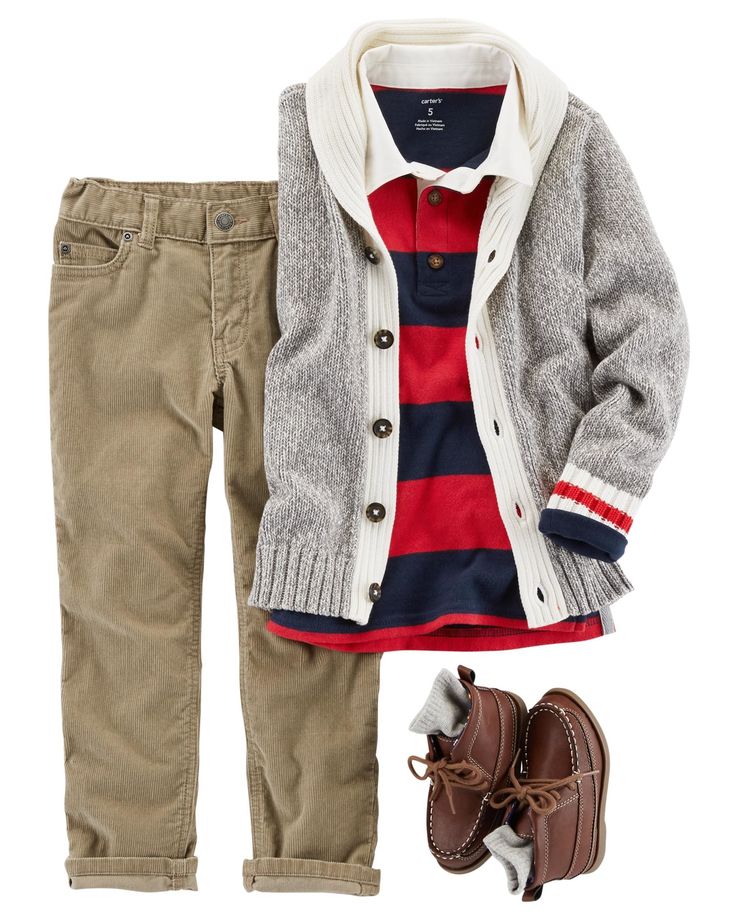
For example, when shopping for toddler boy clothes, it’s essential to go beyond style and size. You’ll want to consider the fabric content, manufacturing process, and whether the garment has been treated with chemicals that might irritate delicate skin. Choosing allergy-safe materials is not just about avoiding discomfort; it’s about preventing potential health risks like rashes, eczema flare-ups, and respiratory issues.
Key Points
- Understand common allergens found in fabrics and materials.
- Learn how to read clothing and product labels effectively.
- Discover hypoallergenic fabric options and certifications to look for.
- Explore safe alternatives for clothing, bedding, toys, and furniture.
- Get practical tips for minimizing allergen exposure at home and school.
Understanding Allergies in Children
What Are Material Allergies?
Material or textile allergies occur when a child’s immune system reacts to substances in fabrics or other materials. These substances may include synthetic fibers, dyes, formaldehyde resins, or latex. Reactions can vary from mild skin irritation to more serious symptoms like difficulty breathing or severe rashes.
Common Symptoms of Material Allergies
- Red, itchy, or inflamed skin
- Hives or eczema flare-ups
- Watery eyes or sneezing
- Respiratory symptoms like wheezing or coughing
Common Allergenic Materials to Avoid
Here are some materials and substances commonly linked to allergic reactions in children:
- Wool: Though natural, wool can be itchy and irritating, especially for children with sensitive skin or eczema.
- Polyester: A synthetic material that may trap heat and moisture, creating an environment for skin rashes.
- Latex: Found in some elastic bands in clothing, latex can trigger severe allergic reactions in sensitive children.
- Dyes and Finishes: Fabric dyes, flame retardants, and anti-wrinkle finishes often contain formaldehyde or other chemicals known to cause allergies.
Choosing Allergy-Safe Fabrics
Natural vs. Synthetic Materials
Natural fabrics are generally more breathable and less likely to contain synthetic chemicals. Here are some top choices for hypoallergenic fabrics:
- Organic Cotton: Grown without pesticides and not treated with harmful chemicals, it’s a safe and soft option for kids’ clothing and bedding.
- Bamboo: Naturally hypoallergenic, moisture-wicking, and antibacterial—excellent for sensitive skin.
- Hemp: Durable and eco-friendly, hemp is less likely to cause skin irritation.
- Silk: A smooth, luxurious material that can be gentle on the skin, although care must be taken with dyes.
Fabric Certifications to Look For
To ensure a product is truly allergy-safe, look for these certifications on tags or product descriptions:
- GOTS (Global Organic Textile Standard): Ensures the textile is organic and free from harmful chemicals.
- OEKO-TEX® Standard 100: Verifies the item has been tested for harmful substances and is safe for human health.
- Asthma and Allergy Friendly® Certification: Indicates the product is suitable for individuals with asthma or allergies.
Reading Labels Like a Pro
Product labels are your first line of defense. Here’s how to understand them:
- Fabric Composition: Look for a high percentage of cotton, bamboo, or other natural fibers.
- Avoid “Wrinkle-Free” or “Stain-Resistant” Tags: These items may contain formaldehyde or other chemical finishes.
- Country of Manufacture: Standards vary globally. Products made in the U.S. or Europe may follow stricter safety regulations.
Safe Clothing for Kids
Everyday Clothing
Stick to breathable fabrics and avoid synthetic blends. Wash new clothes before first use to remove any residual chemicals or dyes. Choose light colors over dark when possible, as heavily dyed fabrics may present more risk.
Sleepwear
Many sleepwear products are treated with flame retardants. If choosing untreated options, make sure they fit snugly to meet safety standards. Look for natural fiber pajamas labeled as untreated or certified organic.
Specialty Clothing
For children with eczema or severe allergies, consider specialty brands that design clothing without seams, labels, or irritating hems. Look for medical-grade fabrics if needed.
Allergy-Safe Bedding and Furniture
Bedding Essentials
Choose bedding made from organic cotton, bamboo, or silk. Avoid down comforters or pillows if dust mite or feather allergies are a concern. Use allergen-barrier covers on mattresses and pillows.
Mattresses and Pillows
- Opt for natural latex or memory foam mattresses that are certified hypoallergenic.
- Avoid innerspring mattresses if they are not sealed, as they can house dust mites.
Furniture Selection
When buying furniture for your child’s room, consider:
- Solid wood over particleboard: Particleboard often contains formaldehyde-based glues.
- Low-VOC finishes: VOCs can trigger allergic reactions and asthma attacks.
- Easy-to-clean surfaces: This helps minimize dust and allergen accumulation.
Toys, Decor, and School Supplies
Safe Toys
Choose toys made of untreated wood, silicone, or BPA-free plastics. Avoid plush toys with synthetic stuffing, unless they are labeled hypoallergenic and washable.
Decor and Accessories
Look for washable curtains, rugs made of natural fibers, and avoid scented items like candles or air fresheners that could contain allergens.
School Supplies
Backpacks, lunchboxes, and school supplies should be labeled “PVC-free” and made without phthalates or heavy metals. Teach children to recognize items that cause reactions and advocate for allergy-safe classrooms.
Reducing Allergen Exposure at Home
Cleaning and Maintenance
- Use fragrance-free, hypoallergenic detergents and cleaners.
- Vacuum frequently with a HEPA filter vacuum.
- Wash bedding in hot water weekly to kill dust mites.
HVAC and Air Quality
Install HEPA air filters and maintain humidity levels between 30-50% to reduce mold and dust mite populations. Consider using a dehumidifier in damp areas like basements.
Pet Considerations
If you have family pets, keep them out of your child’s room. Wash pets regularly and vacuum frequently to manage dander.
When to Consult a Pediatrician or Allergist
If your child experiences persistent symptoms such as hives, eczema, or respiratory issues, consult a healthcare provider. An allergist can perform patch or skin-prick tests to identify specific allergens and recommend a safe management plan.
FAQ: Allergy-Safe Materials for Kids
What is the best fabric for kids with sensitive skin?
Organic cotton is often the best choice as it’s soft, breathable, and free from harsh chemicals. Bamboo and silk are also excellent hypoallergenic options.
Are synthetic materials always bad for sensitive kids?
Not always. Some high-quality synthetic fabrics are engineered to be hypoallergenic, but they often lack breathability and may trap moisture. Always check for certifications and wash before use.
How can I know if a product is truly hypoallergenic?
Look for certifications like GOTS, OEKO-TEX®, or labels that say the product is free from dyes, fragrances, and formaldehyde. Reading reviews from other parents of allergic children can also help.
Should I avoid all dyed fabrics?
Heavily dyed fabrics can be more likely to irritate the skin, especially dark or vibrant colors. Lighter shades and natural dyes are generally safer. Wash all dyed clothing before first wear.
Is it necessary to buy all organic products?
No, but it helps to prioritize items that come into direct contact with your child’s skin, such as clothing, bedding, and towels. For other items, look for safe manufacturing practices and low chemical content.
My child has eczema. Are there specific brands or products to consider?
Yes, some brands specialize in eczema-friendly clothing, using seamless construction and ultra-soft, untreated fabrics. Talk to your pediatrician or dermatologist for recommendations tailored to your child’s condition.