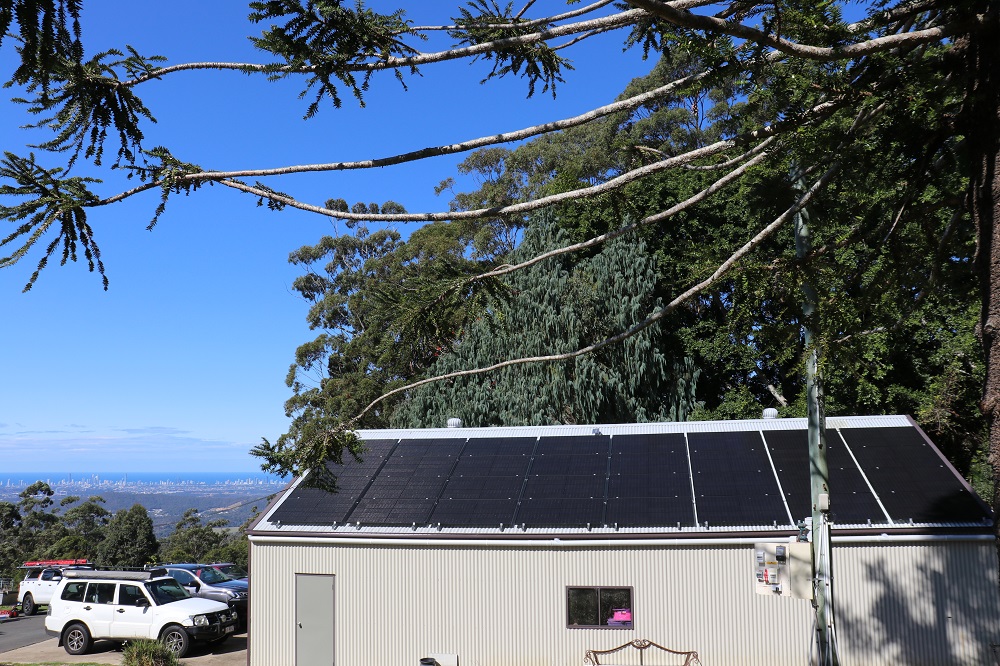
Investing in a residential solar power system is one of the smartest decisions homeowners can make to reduce electricity bills, increase energy independence, and contribute positively to the environment. Once installed, maintaining your solar system properly is crucial to ensure it delivers optimal performance and a long service life.
For residents on the Gold Coast and throughout Queensland, understanding how to maintain a residential solar power system can prevent costly repairs, improve efficiency, and maximise the return on investment. This comprehensive guide covers practical, easy-to-follow maintenance tips and expert advice to help you keep your solar panels and associated equipment in top shape.
Why Is Maintenance Important for Residential Solar Power Systems?
Solar panels are generally low-maintenance compared to other home systems. However, they do require some care to avoid performance degradation caused by dirt, debris, weather damage, or technical faults.
Proper maintenance helps:
Maximise energy production: Dirty or shaded panels produce less electricity.
Extend system lifespan: Regular checks catch small issues before they escalate.
Ensure safety: Faulty wiring or equipment can pose fire risks if neglected.
Protect warranties: Many manufacturers require periodic maintenance to keep warranties valid.
In Queensland’s variable climate—with intense sun, occasional storms, and coastal conditions—maintenance takes on even greater importance.
Components of Residential Solar Power Systems That Need Maintenance
- Solar Panels: The most visible part of the system, usually mounted on your roof.
- Inverter: Converts DC electricity from the panels into usable AC electricity.
- Battery Storage (If Installed): Stores excess energy for use during low sunlight or outages.
- Electrical Wiring and Connections: Ensures safe and efficient power flow.
- Monitoring System: Allows you to track performance and detect faults early.
Practical Maintenance Tips for Your Solar Power System
- Regular Cleaning of Solar Panels
Dust, pollen, bird droppings, and leaves can accumulate on panels, reducing their efficiency by up to 25%. Cleaning panels every 6 months to a year, or more frequently in dusty areas, helps maintain optimal energy production.
How to clean:
- Use soft water and a non-abrasive sponge or cloth.
- Avoid harsh chemicals or abrasive tools that may scratch panels.
- Clean early morning or late afternoon to prevent rapid drying and streaking.
- For multi-storey homes, consider hiring professional solar cleaning services to ensure safety.
- Inspect and Monitor System Performance
Use your inverter’s monitoring app or web portal regularly to track daily and cumulative energy generation. Sudden drops in output can signal shading, panel damage, or system faults. - Check Inverter Status
Inverters typically have indicator lights displaying system status. Green usually means normal operation; red or flashing lights indicate errors. If you notice warning signals, contact your installer promptly. - Maintain Battery Health
If your residential solar system includes battery storage:
- Monitor battery charge levels and performance regularly.
- Keep batteries in a well-ventilated, temperature-controlled environment.
- Schedule professional battery health checks every 1–2 years.
Proper battery care prolongs life and maintains energy reliability.
- Schedule Professional Inspections
Annual or biennial inspections by accredited solar technicians can identify:
- Loose or corroded wiring
- Panel mounting issues
- Inverter or battery faults
- Safety hazards
Regular professional maintenance helps keep your system warranty valid and functioning efficiently.
- Trim Nearby Trees and Vegetation
Ensure no new shading from growing trees or plants. Shading significantly reduces panel output, so regular trimming is essential.
Common Questions About Solar System Maintenance
Q: How often should solar panels be cleaned?
A: Every 6 to 12 months is generally sufficient, depending on local dust, pollen, and bird activity.
Q: Can I clean panels myself?
A: Yes, if safely accessible. Use soft water and gentle tools. Otherwise, hire professional solar cleaners.
Q: What signs indicate my system needs maintenance?
A: Noticeable drop in energy production, inverter error lights, physical damage, or wiring issues.
Q: Does regular maintenance affect warranties?
A: Yes. Many manufacturers require proof of maintenance to honour warranties.
Why Choose Local Gold Coast Experts for Solar Maintenance?
Queensland’s unique climate requires tailored maintenance approaches. Local providers understand the challenges posed by coastal salt spray, storms, and intense sunlight.
Energy Solution Centre, based on the Gold Coast, offers comprehensive solar system maintenance alongside installations of residential solar power systems, battery storage, off-grid solar, EV charging, and commercial solar. Their accredited team provides expert advice and professional service to keep your system running smoothly.
For maintenance enquiries or system health checks, contact Energy Solution Centre at 1300 217 079 or visit energysolutioncentre.com.au.
Conclusion: Keep Your Residential Solar Power System at Peak Performance
Maintaining your residential solar power system is essential for maximising energy production, extending equipment life, and protecting your investment. By following simple cleaning routines, monitoring system performance, and scheduling professional inspections, you can enjoy reliable, clean energy for decades.
Gold Coast homeowners looking for trusted solar maintenance and support will find a dependable partner in Energy Solution Centre. With their local expertise, showroom in Nerang, and comprehensive service offerings, they help you get the most from your solar power system.
Reach out today at 1300 217 079 or visit energysolutioncentre.com.au to schedule your solar maintenance or learn more about solar power solutions tailored to your home.