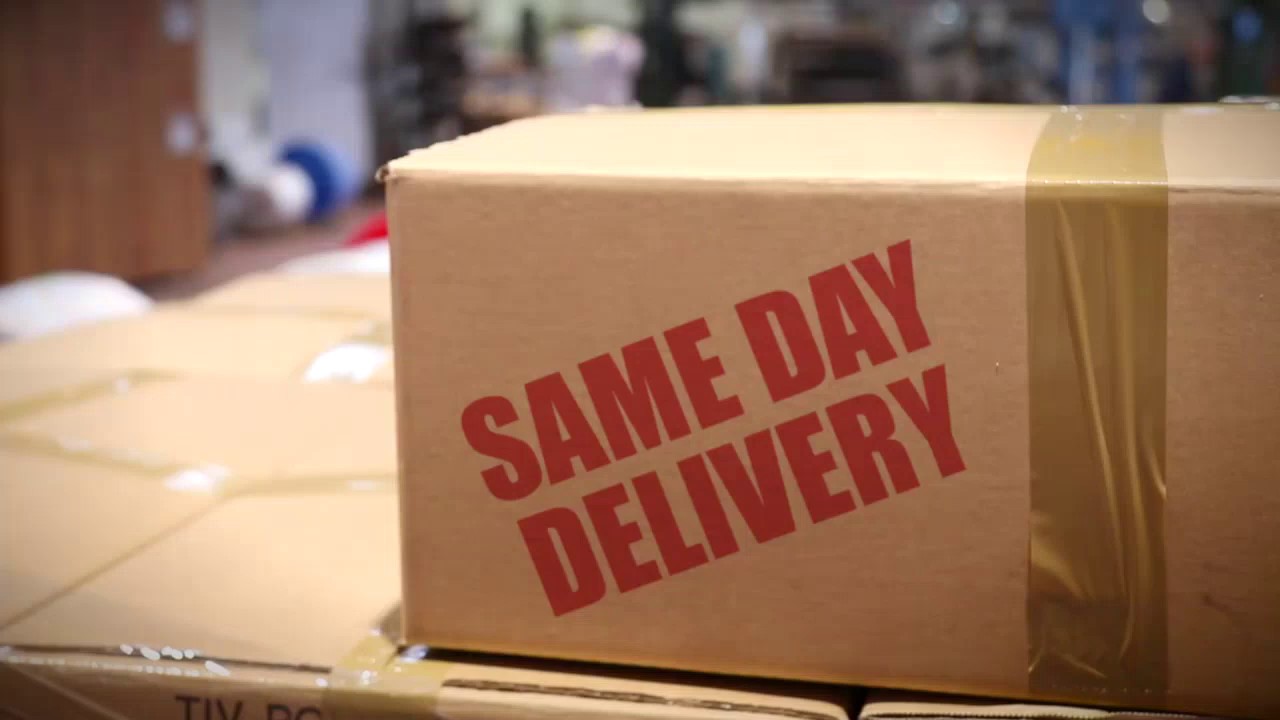
Consumer expectations have skyrocketed. One of the most sought-after perks? Same-day delivery. Once considered a luxury offered only by giants like Amazon, delivery is quickly becoming a must-have for e-commerce businesses of all sizes. However, delivering products within hours, without incurring unsustainable costs, can seem impossible for small and medium-sized enterprises (SMEs).
The good news? With the right strategy, tools, and partnerships, you can offer delivery without draining your budget. Here’s how.
Start with Local Fulfillment Centers
One of the biggest challenges in same-day delivery is the distance between the product and the customer. Reducing this gap can significantly cut down both delivery time and cost. That’s where localized fulfillment comes in.
Strategies:
Micro-warehousing: Instead of one massive central warehouse, distribute inventory across smaller warehouses or storage units in key locations near your customer base.
Retail-to-warehouse conversion: If you have brick-and-mortar stores, use them as mini-distribution hubs. Many retailers are now turning store stock into local fulfillment centers.
Third-party logistics (3PL): Partner with 3PL providers who already have the infrastructure in place across major cities.
Tip: Use customer data to identify high-order volume areas and prioritize those locations for micro-warehousing.
Partner with Local Couriers and Gig Delivery Services
Hiring and maintaining a fleet of delivery drivers is costly and logistically complex. Instead, partner with on-demand delivery platforms like DoorDash, Uber Eats, Postmates, or regional courier services. These services specialize in fast local delivery and already have the infrastructure in place.
Benefits:
- No need for your drivers.
- Pay-per-delivery pricing models keep overheads low.
- Rapid scalability during peak times.
Be sure to negotiate bulk or subscription rates if you plan to send a high volume of packages. Many of these services offer discounted plans for frequent users.
Offer Same-Day Delivery Selectively
Contrary to popular belief, you don’t have to offer delivery on every product and in every region. Limiting availability helps you manage logistics more efficiently and control costs.
Smart Limitations:
Only offer delivery on high-margin or fast-moving products.
Restrict the service to customers within a certain geographic radius.
Implement order cut-off times (e.g., orders placed before 1 PM qualify for delivery).
This approach enables you to offer the service where it makes financial sense, without overextending your resources.
Use Smart Routing and Delivery Management Software
Technology can be your best ally. Investing in delivery management software helps optimize delivery routes, consolidate orders, and reduce fuel costs. It also helps manage customer expectations through real-time tracking and ETAs.
Features to Look For:
- Route optimization
- Real-time delivery tracking
- Automatic order assignment to drivers
- Customer communication tools (texts, emails)
Software like Onfleet, Routific, and Tookan can integrate with your eCommerce platform and streamline the entire delivery process.
Incentivize Pickup as an Alternative
Not every customer needs delivery. Offering incentives for in-store or curbside pickup can take pressure off your delivery system while still providing customers with immediate access to their purchases.
Ways to Encourage Pickup:
Offer discounts or loyalty points for pickup orders.
Ensure pickup is fast and hassle-free (e.g., designated pickup lanes or lockers).
Promote eco-friendly benefits (reducing emissions from last-mile delivery).
Curbside and in-store pickup are cost-effective alternatives that give customers a sense of immediacy without the logistical challenge of delivery.
Implement a Tiered Delivery Pricing Model
Same-day delivery doesn’t always need to be free. Many customers are willing to pay a premium for convenience, as long as it’s presented clearly and they trust the service will be fast and reliable.
Options:
Free delivery over a certain order threshold.
Flat-rate pricing for delivery.
Membership programs, similar to Amazon Prime, offer perks like delivery.
Being transparent about delivery costs and giving customers the choice to opt in helps you recoup some expenses while maintaining trust.
Leverage Data to Forecast and Reduce Waste
Use data analytics to understand your sales patterns, predict demand spikes, and allocate resources accordingly. This helps reduce inventory waste, lower storage costs, and ensure you’re not overpromising delivery capabilities.
Key Metrics to Track:
- Regional sales volume
- Delivery failure rate
- Average delivery times
- Cost per delivery
With accurate forecasting, you can better plan delivery routes, staffing, and inventory placement to minimize waste and control costs.
Outsource Wisely
When starting, it’s often more cost-effective to outsource your logistics rather than build an in-house solution. Many 3PLs now offer delivery solutions tailored for small businesses.
What to Look for in a 3PL Partner:
- Existing coverage in your target regions
- Experience with fast or delivery
- Transparent pricing models
- Real-time inventory management
Make sure the 3PL can integrate with your online store so orders are processed seamlessly and updates are shared with customers automatically.
Test and Iterate Before Scaling
Don’t try to roll out delivery across your entire network on day one. Start small—perhaps in one city or for a specific product category, and evaluate performance. Gather customer feedback, measure delivery times, and calculate costs.
Pilot Testing Checklist:
- Determine a geographic test zone.
- Monitor delivery times vs. promises.
- Survey customers post-delivery.
- Tweak pricing and cutoff times.
Once the system is fine-tuned, you can expand gradually while staying in control of your budget.
Market Your Same-Day Delivery Strategically
If you’re offering delivery, even on a limited basis, make sure customers know about it. Use your website, product pages, and marketing campaigns to highlight this benefit. However, set clear expectations to avoid negative experiences.
Tactics:
Display countdown timers (e.g., “Order in the next 3 hours for delivery!”)
Use geolocation tools to show availability
Add “Same-Day Available” badges to eligible products
Done right, promoting your fast delivery service can boost conversions and justify modest delivery fees.
Conclusion
Offering same-day delivery no longer has to be a money-losing proposition. By strategically using technology, limiting service areas, partnering with local couriers, and starting small, even small businesses can provide fast, convenient delivery without going over budget.
Remember, the goal isn’t just to deliver quickly, it’s to do so sustainably, profitably, and in a way that keeps your customers coming back. Delivery may be the new norm, but with the right systems in place, it doesn’t have to break the bank.