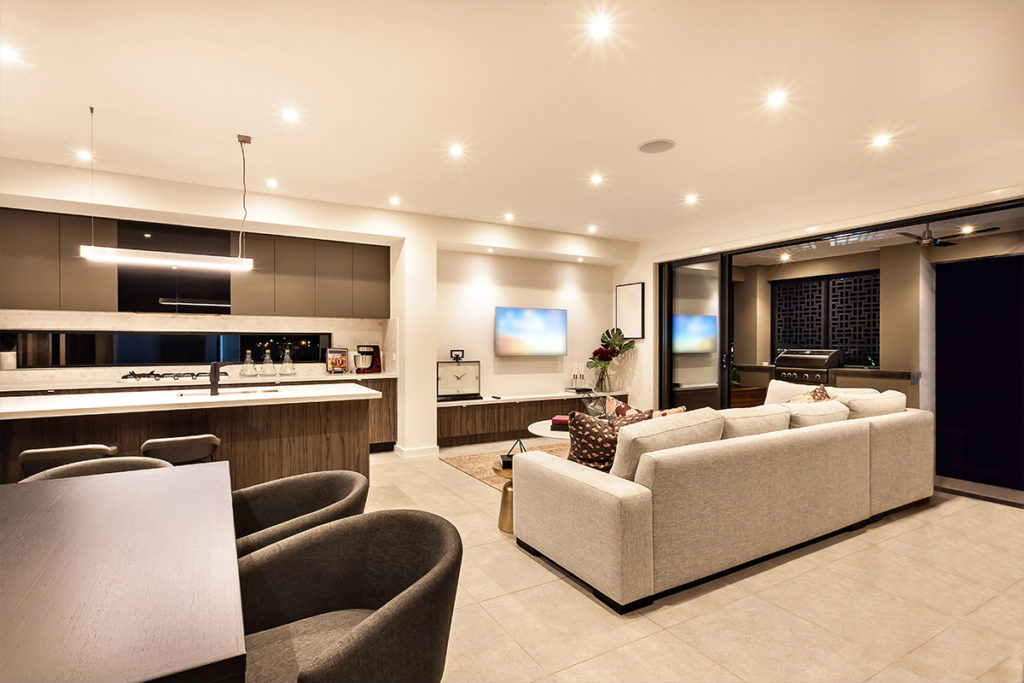
Smart lighting is no longer just a futuristic convenience—it’s a practical upgrade that adds comfort, security, and energy efficiency to your property. Whether you’re enhancing your home or modernizing a rental, smart lighting can significantly increase your property’s value and livability. In this article, we’ll explore how to upgrade your property with smart lighting and why it’s a smart investment for the modern homeowner.
What is Smart Lighting?
Smart lighting refers to lighting systems that can be controlled remotely through smartphones, voice commands, or automation schedules. These systems typically use Wi-Fi, Bluetooth, or Zigbee to connect with your home network. Users can dim lights, change colors, schedule on/off times, and even sync lighting to music or TV.
This technology is not only about convenience; it brings a suite of practical benefits, from enhanced security to energy savings.
Benefits of Smart Lighting
1. Energy Efficiency
Smart bulbs are typically LED, which already makes them far more energy-efficient than traditional incandescent bulbs. But beyond that, their automation features help reduce unnecessary energy usage. Lights can be set to turn off when no one is in a room or adjusted to respond to daylight levels.
2. Security Enhancement
One of the most compelling reasons to install smart lighting is increased home security. With remote control and scheduling, you can create the illusion that someone is home even when you’re on vacation. Motion-sensor lights integrated with your smart system can also alert you in real-time to unexpected activity around your property.
3. Convenience and Control
Smart lighting lets you control your entire home’s illumination with a few taps on your phone or a voice command to your digital assistant. No more stumbling in the dark or forgetting to turn off the porch light—automation does it for you.
4. Customization
Whether you want bright white light for reading or soft ambient light for a dinner party, smart lighting lets you customize color temperature and brightness to suit your mood or activity.
How to Start Your Smart Lighting Upgrade
1. Assess Your Needs
Before buying any devices, consider your goals. Are you looking to save energy, increase security, or simply enjoy modern tech conveniences? Do you want to upgrade your entire house or just a few key rooms?
Create a list of rooms or areas you want to prioritize, such as entryways, living rooms, and outdoor lighting. This will help you choose the right smart lighting products.
2. Choose a Smart Home Ecosystem
Most smart lighting systems integrate with popular platforms like Amazon Alexa, Google Home, or Apple HomeKit. Choose one that works with the devices you already use or plan to install.
For example:
- Philips Hue works well with most ecosystems and offers a wide range of smart bulbs and accessories.
- LIFX is great for those who want vibrant colors without a separate hub.
- TP-Link Kasa offers budget-friendly options for smart plugs and light switches.
3. Decide Between Smart Bulbs or Smart Switches
Smart lighting comes in two main forms:
- Smart Bulbs: Easy to install and ideal for renters or those who want minimal changes. Just screw them in like regular bulbs and control via app or voice.
- Smart Switches: A more permanent solution that’s perfect for homeowners. These replace traditional light switches and allow any bulb to be controlled smartly.
Installing smart switches may require electrical work, so it’s wise to consult a licensed electrician. For residents in Kent, working with a trusted Electrician Tonbridge can ensure safe and efficient installation.
4. Install and Connect Your Devices
Once you’ve chosen your products, follow the manufacturer’s instructions to install and connect them to your home network. Most apps will guide you step by step, and many devices are designed for DIY installation.
However, if you’re integrating multiple systems or upgrading your home’s electrical wiring, hiring a professional like an Electrician Sevenoaks can help prevent mishaps and ensure everything is correctly configured.
5. Create Scenes and Schedules
Once your system is live, use your app to create automation scenes. For example:
- “Good Morning” turns on soft lighting in the kitchen and bathroom.
- “Movie Night” dims the living room lights and turns off other areas.
- “Away Mode” turns lights on and off randomly to mimic occupancy.
These routines not only make your life easier but also maximize the value of your smart lighting system.
Tips for Maximizing Your Smart Lighting System
- Use motion sensors in hallways and bathrooms for hands-free operation.
- Combine with other smart home devices like thermostats and security cameras for a fully integrated smart home.
- Keep firmware updated to ensure the latest features and security patches.
- Start small if you’re new—test a single room before expanding.
Final Thoughts
Upgrading your property with smart lighting is a smart move that combines technology, security, energy savings, and comfort. With today’s wide range of options, it’s easier than ever to find a solution that fits your lifestyle and budget.
Whether you’re a tech-savvy homeowner or just dipping your toes into home automation, investing in smart lighting is a future-forward step. And when it comes to installation, don’t hesitate to call on local professionals like an Electrician in Tonbridge or Electrician in Sevenoaks to make sure everything runs smoothly and safely.
Smart lighting is more than just a trend—it’s a lifestyle upgrade with long-lasting benefits.