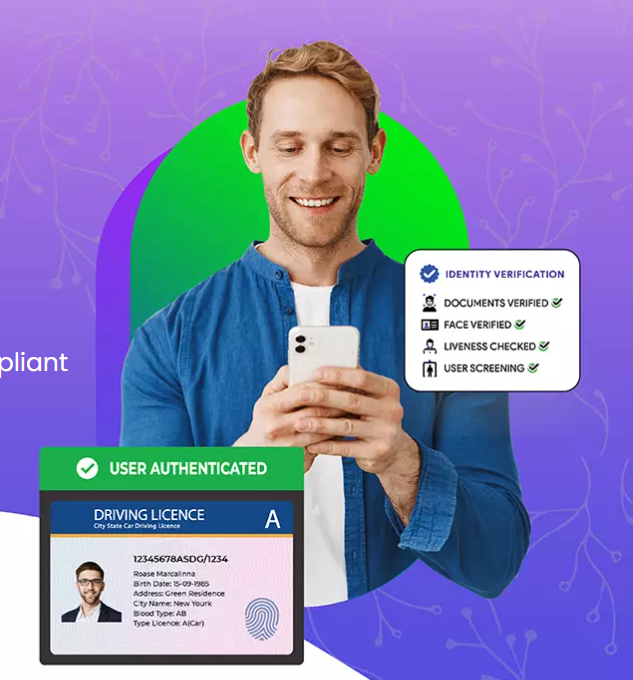
In today’s digital-first world, businesses and financial institutions face increasing risks of fraud, identity theft, and cybercrime. To combat these challenges, identification verification services and liveness verification technologies have become essential tools. These solutions not only secure organizations against fraudulent activities but also build trust by ensuring that every transaction is authentic and safe.
What is Identification Verification Service?
Identification verification service refers to the process of confirming whether a person is who they claim to be. Traditionally, this was done using physical documents such as passports, ID cards, or driving licenses. However, with the rise of online transactions and remote onboarding, digital identity verification has taken the lead.
Modern ID verification services use advanced technologies like:
-
Optical Character Recognition (OCR): To read and extract information from identity documents.
-
AI and Machine Learning: To compare ID data with government databases and ensure accuracy.
-
Biometric Authentication: Face, voice, or fingerprint recognition to add an extra layer of security.
For industries such as banking, insurance, healthcare, and e-commerce, implementing ID verification ensures compliance with KYC (Know Your Customer) and AML (Anti-Money Laundering) regulations.
The Role of Liveness Verification
While identification verification confirms that an ID document is genuine, it does not guarantee that the person presenting it is a real, live individual. This is where liveness verification plays a critical role.
Liveness verification ensures that the user is physically present during authentication and not using a photo, video, or mask to spoof the system. It uses AI-driven techniques such as:
-
Motion Detection: Asking users to blink, smile, or turn their head.
-
3D Depth Analysis: Checking the facial structure to differentiate between real faces and static images.
-
Texture and Reflection Analysis: Identifying whether the input comes from a real skin surface rather than a screen.
This step is crucial for preventing identity fraud, especially in digital onboarding processes where no face-to-face interaction occurs.
Benefits of Combining Both Services
When businesses combine identification verification services with liveness detection, they create a powerful security framework. Some key benefits include:
-
Enhanced fraud prevention.
-
Smooth and seamless user onboarding.
-
Improved compliance with global regulations.
-
Higher customer trust and satisfaction.
Final Thoughts
As digital transactions continue to grow, organizations must strengthen their security strategies. Implementing identification verification service and liveness verification not only helps businesses fight fraud but also ensures a smooth user experience. By adopting these advanced solutions, companies can strike the perfect balance between security, compliance, and convenience.