
Embroidery has long been cherished as a timeless art form — one that transforms ordinary fabric into an expressive canvas of color and texture. In the digital age, that artistry has evolved into something far more precise and powerful: Image Embroidery Digitizing. This modern embroidery technique converts digital photos, illustrations, and graphics into intricate embroidered designs, merging creativity with technology in a way that was once impossible.
With image embroidery digitizing, a simple picture can be reborn as a durable, three-dimensional work of art stitched in vibrant threads. Whether it’s a company logo, a portrait, or a scenic image, this process ensures that every detail is captured with clarity, texture, and emotion.
Understanding Image Embroidery Digitizing

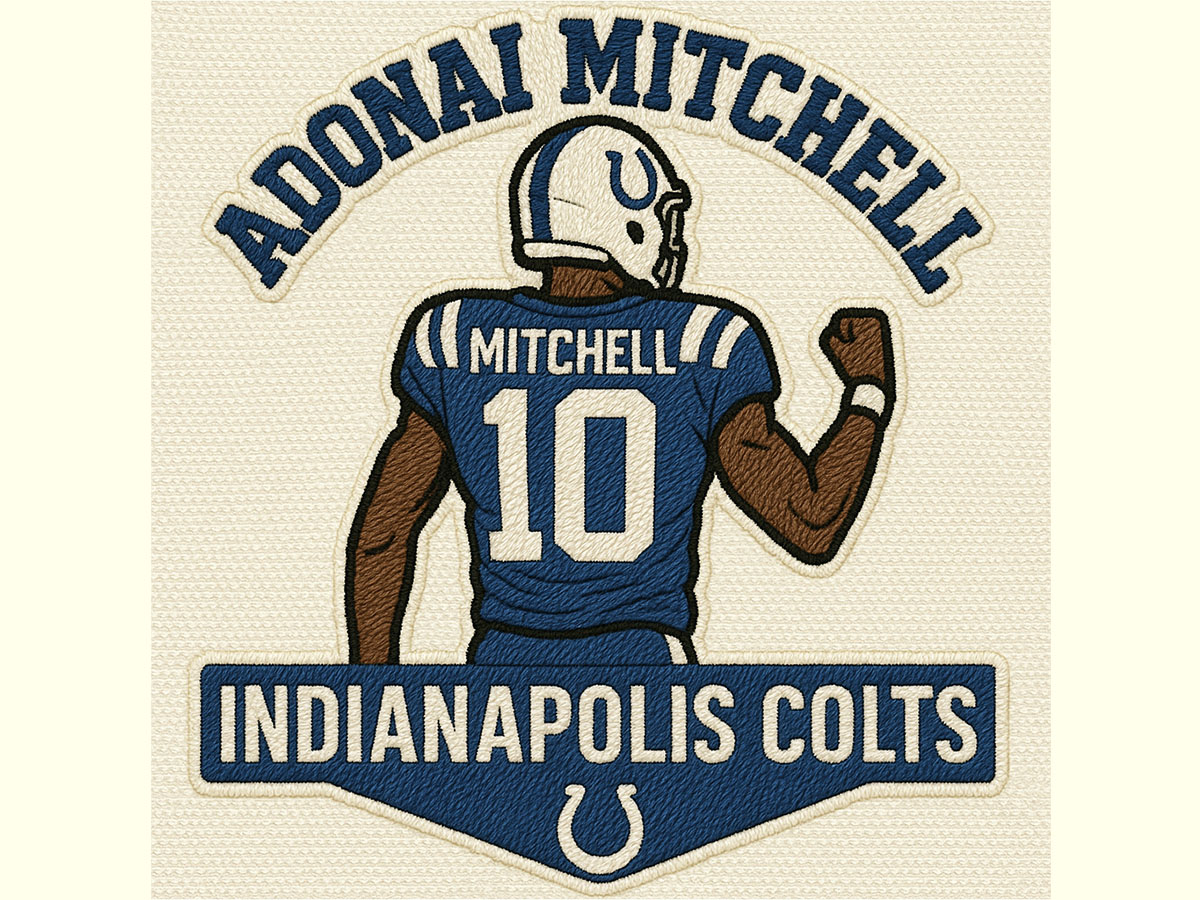
Image Embroidery Digitizing is the process of transforming a digital image file into a machine-readable embroidery design. It isn’t a simple “copy and paste” operation — it’s a highly technical and artistic interpretation of how each color, line, and shadow should appear when rendered in thread.
During digitizing, every stitch placement is carefully mapped using specialized software. The digitizer decides on the stitch type, direction, and density to achieve a look that mirrors the original image while maintaining fabric stability. Unlike regular artwork files, embroidery files contain data that tell machines exactly where to start, stop, and transition between colors.
This method transforms pixels into precise stitches — each one contributing to a design that is tactile, long-lasting, and visually stunning.
Why Image Digitizing Requires Precision and Skill
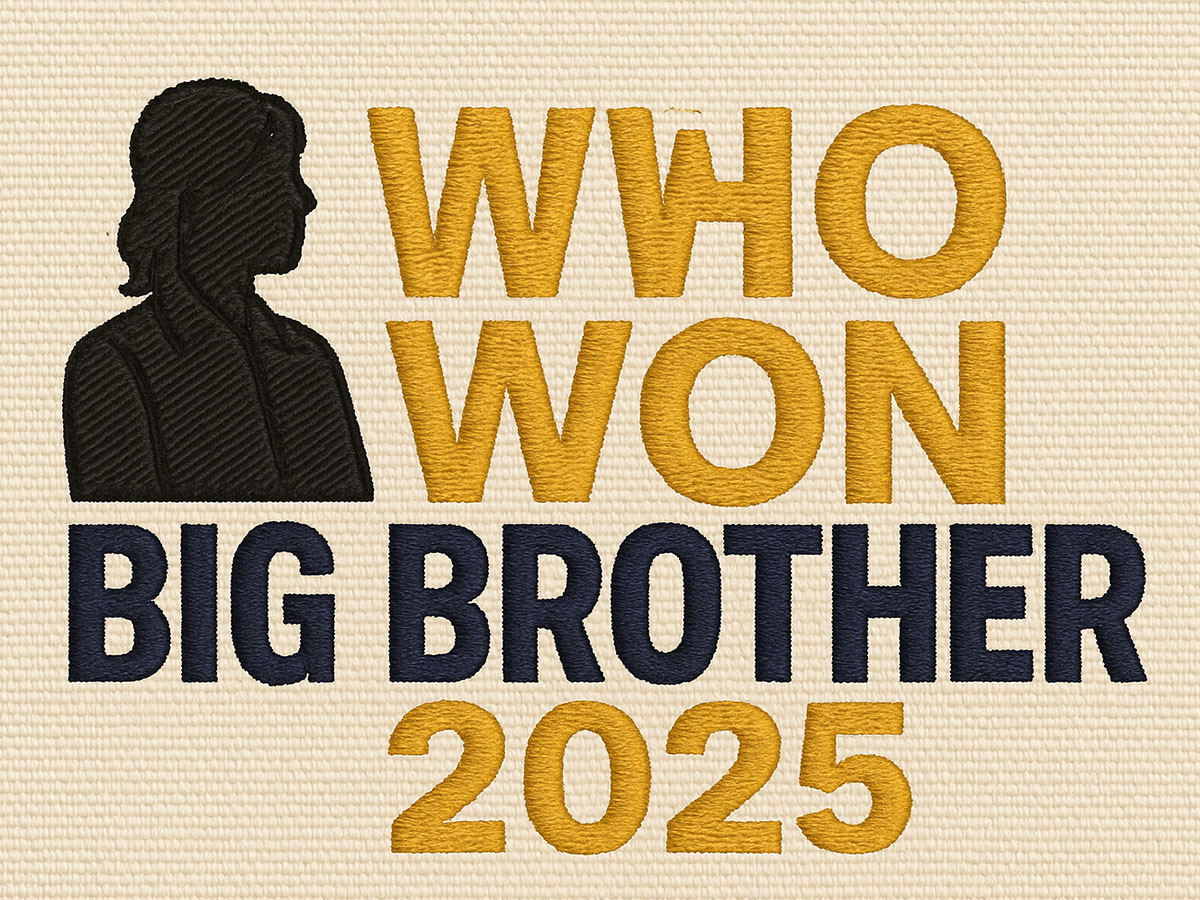
Converting a photograph into embroidery is far more complex than converting a logo. A logo usually has clean lines and flat colors; an image, however, contains gradients, shadows, and intricate details. The challenge lies in replicating those natural tones and textures using threads that have a limited color range.
A professional digitizer approaches Image Embroidery Digitizing much like a painter. They analyze the image, simplify overly complex details, and determine how different stitch techniques — such as fill, satin, or running stitches — can simulate depth and lighting. They must also account for thread tension, fabric movement, and machine behavior.
Each decision in the digitizing process affects the final outcome. The wrong stitch density can make a design stiff or cause thread breakage, while improper color sequencing can create unwanted overlaps. That’s why skilled digitizers combine technical expertise with artistic intuition to achieve flawless results.
The Step-by-Step Process of Image Embroidery Digitizing


Every great embroidered image begins with a thoughtful workflow. The process typically unfolds in several key stages:
It starts with image evaluation. The digitizer studies the photo or artwork to identify focal points, contrasts, and fine details. Low-resolution or blurry images may need editing or cleanup to ensure crisp outlines and visible features.
Next comes stitch planning. Using digitizing software, the image is divided into sections that will be stitched differently depending on texture and color. Large areas might use tatami or fill stitches, while narrow edges and borders use satin or run stitches for clarity. Underlay stitching is programmed to stabilize the fabric beneath the design, preventing distortion.
Color selection and blending follow. Because thread colors are finite, the digitizer must strategically combine shades to mimic gradients and shadows. Techniques like “layered stitching” and “directional blending” help create soft transitions between tones.
After digital mapping, a test stitch-out is produced. This prototype shows how the design will appear on real fabric. Adjustments are then made for density, alignment, and thread tension until the image achieves both aesthetic precision and smooth machine performance.
Finally, the file is exported in an embroidery format compatible with various machines — ready for production.
Fabric and Thread Considerations

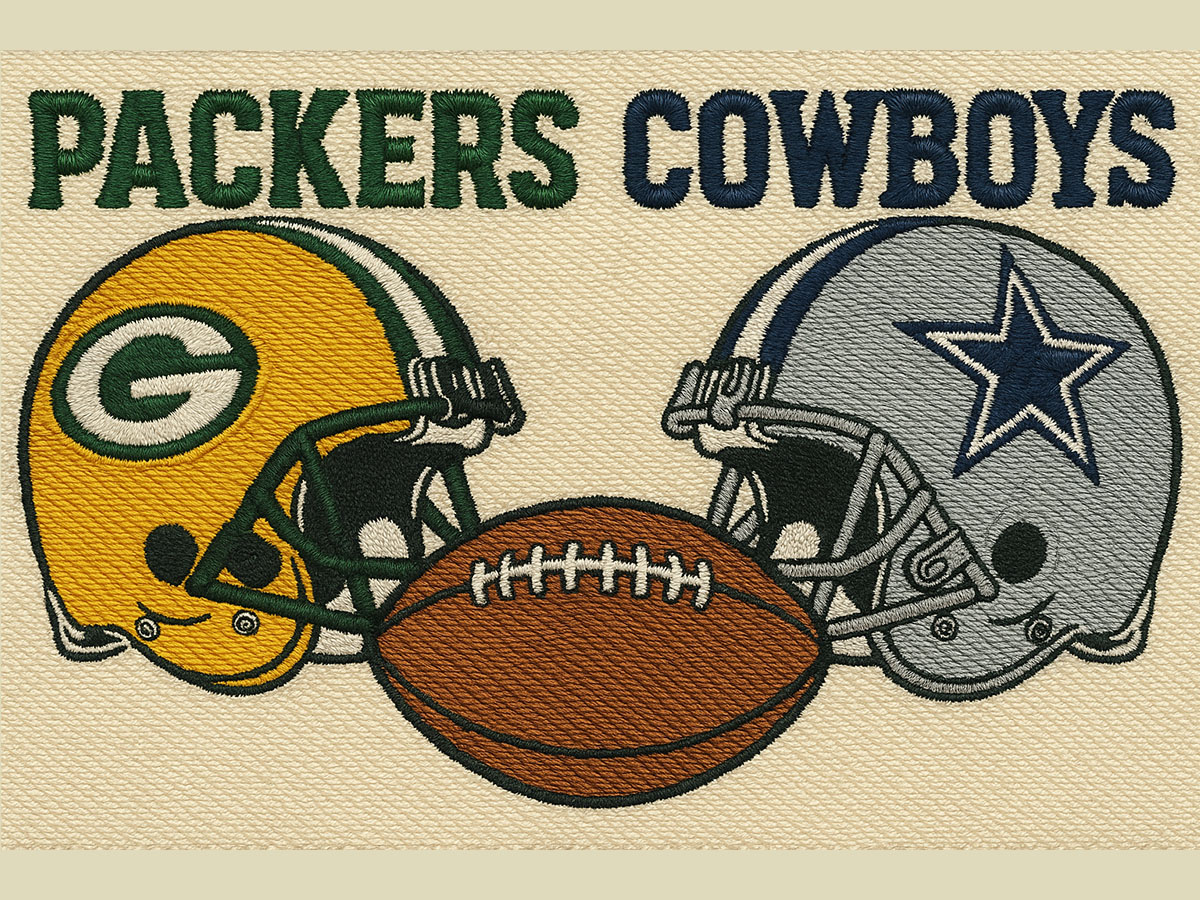
Every fabric behaves differently under the needle. A digitizer must take this into account when preparing an image for embroidery.
Lightweight fabrics like cotton or silk require lighter stitch densities and gentler underlays to prevent puckering. Heavier materials such as canvas or denim can accommodate dense stitching and larger designs.
Thread type is equally critical. Rayon threads provide shine and vibrant color, making them ideal for photographic or portrait embroidery. Polyester threads offer strength and resistance to wear, suitable for uniforms and outdoor items. Thread thickness also influences detail; thinner threads allow for finer features, while thicker ones create bolder texture.
Professional Image Embroidery Digitizing ensures that all these factors are harmonized — producing designs that are visually rich yet structurally stable.
Creative Power and Versatility


The creative possibilities of image digitizing are endless. It opens doors for personal, artistic, and commercial expression across multiple industries.
In fashion, image embroidery brings photographic prints to life on jackets, dresses, and accessories. In corporate branding, it gives companies the ability to showcase complex logos or marketing visuals in premium embroidered form. For sports teams, image digitizing helps produce bold emblems and mascots that stand out with depth and definition.
Even individuals use this technique for personalized projects — from pet portraits on hats to wedding photos on decorative pillows. Every embroidered image becomes a statement piece that fuses sentimentality with artistry.
Common Challenges and Expert Solutions


Image embroidery is intricate, and even small mistakes can impact the result. One common challenge is color translation. While digital images can display thousands of hues, embroidery threads have a limited palette. To solve this, digitizers use layering and directional stitching to create blended effects that approximate gradients.
Another issue is scaling. An image digitized for a large jacket back won’t look the same when reduced for a small cap. Expert digitizers create scaled versions of the same design, optimizing stitch density and sequencing for each size.
Fabric stretch, hoop tension, and machine calibration can also affect output. Professionals anticipate these issues, applying compensation to ensure each stitch lands perfectly where intended.
These refinements make the difference between average embroidery and professional-grade results that captivate attention.
Benefits of Professional Image Embroidery Digitizing

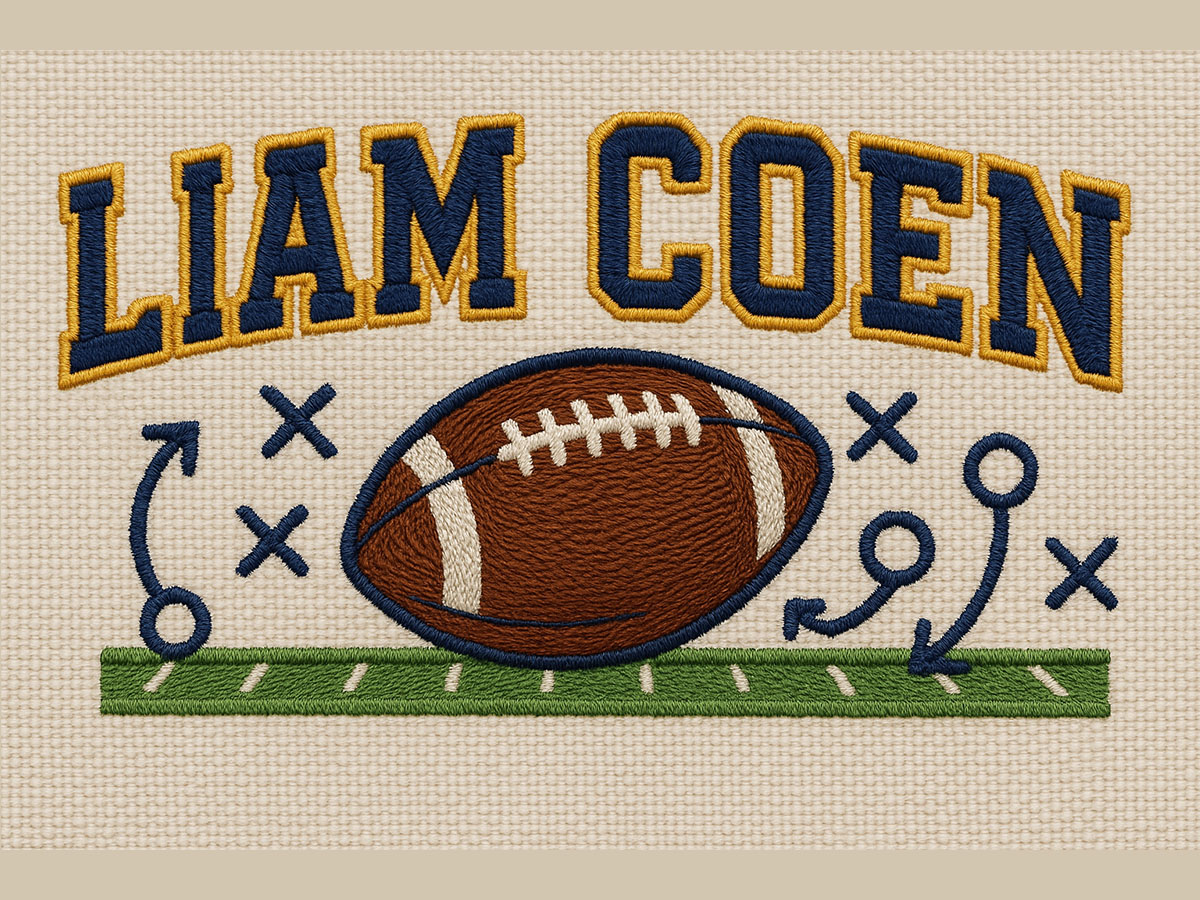
The advantages of expert digitizing go far beyond visual appeal. Professionally digitized images deliver:
Consistent quality across multiple production runs, ensuring each piece looks identical.
Efficient stitching that minimizes thread breaks and reduces machine downtime.
Durability — embroidered images remain intact and vibrant even after years of wear and washing.
Scalability — designs can be resized for different garments without losing proportion or clarity.
Enhanced brand presentation — image embroidery adds sophistication and perceived value to apparel and products.
In short, quality digitizing transforms embroidery from simple decoration into brand storytelling and artistic expression.
Applications Across Industries

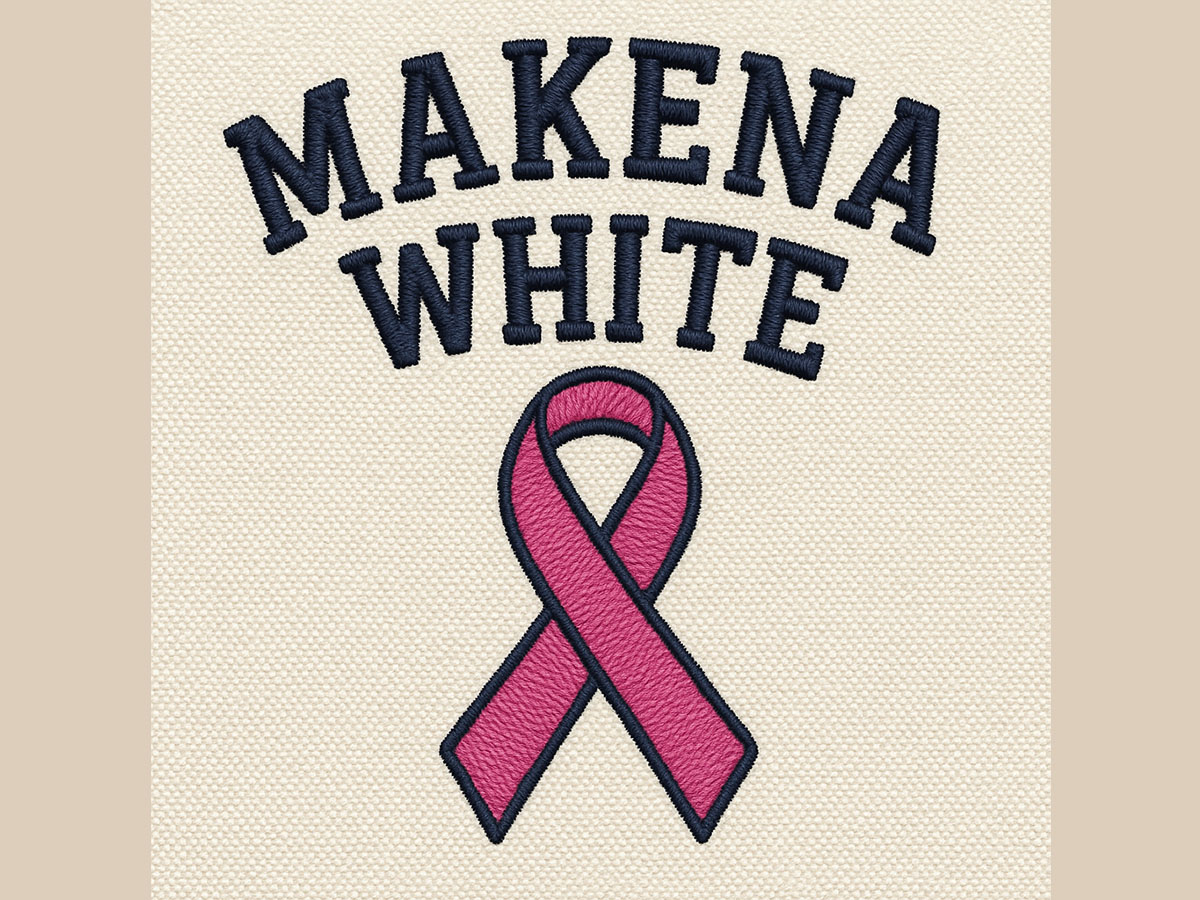
The versatility of Image Embroidery Digitizing makes it essential in nearly every design-driven field. Businesses use it for custom uniforms and promotional items. Artists use it to recreate their digital artwork on fabric. Sports organizations rely on it for team logos and merchandise, while the fashion industry embraces it for statement pieces and couture embellishments.
Even home décor brands and craft enthusiasts use image digitizing to add a personal touch to everyday items like cushions, towels, and quilts. No matter the industry, it remains one of the most impactful ways to turn flat images into textured, tangible art.
Conclusion
Image Embroidery Digitizing represents the perfect harmony between technology and creativity. It takes a flat, lifeless image and gives it form, dimension, and durability through thread. This process requires a balance of artistic interpretation, technical mastery, and attention to material detail.
When performed by professionals, image digitizing doesn’t just recreate an image — it redefines it. Every shadow becomes a texture, every color becomes a tactile layer, and every stitch tells a story. From personal projects to large-scale branding, image embroidery digitizing stands as proof that even in a digital world, the beauty of craftsmanship endures — one stitch at a time.