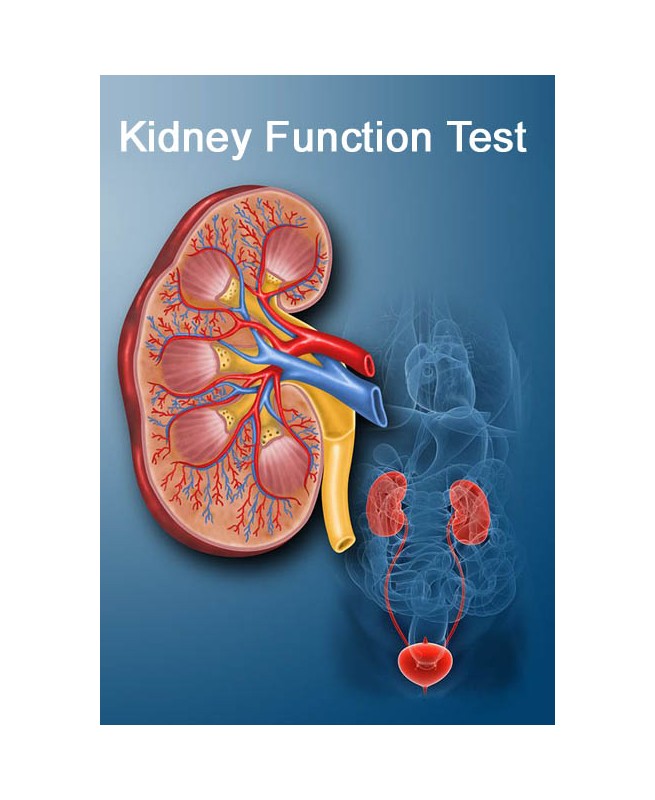
Our kidneys, two bean-shaped organs located just below the rib cage, play a vital role in maintaining our overall health.
They act as sophisticated filters, removing waste products, excess water, and toxins from our blood, regulating blood pressure, producing red blood cells, and keeping our electrolytes balanced.
Given their critical functions, understanding the health of our kidneys is paramount, and this is where kft test come into play.
A KFT is a group of blood and urine tests that evaluate how well your kidneys are working, providing crucial insights into their filtering ability and overall health.
Why is a KFT Important?
Regular Kidney Function Tests are incredibly important for several reasons:
-
Early Detection of Kidney Disease: Many kidney diseases are “silent killers,” meaning they often show no symptoms in their early stages. A KFT can detect subtle changes in kidney function long before symptoms appear, allowing for early intervention and preventing the progression to more severe kidney damage or failure.
-
Monitoring Existing Conditions: For individuals with chronic conditions like diabetes, high blood pressure, or heart disease, regular KFTs are crucial. These conditions can significantly impact kidney health, and monitoring kidney function helps manage these diseases more effectively and prevent kidney complications.
-
Assessing Medication Impact: Some medications can affect kidney function. KFTs help doctors monitor the kidney’s response to certain drugs and adjust dosages if necessary to prevent kidney damage.
-
Diagnosing Kidney Disorders: If you experience symptoms such as swelling in your legs, ankles, or face, changes in urination patterns, persistent fatigue, or muscle cramps, a KFT can help diagnose the underlying kidney disorder.
-
Pre-Surgery Evaluation: Before certain surgeries, a KFT is often performed to ensure the kidneys are healthy enough to handle the stress of the procedure and anesthesia.
-
General Health Check-up: KFT is a standard part of most comprehensive full body checkups, offering a general overview of your kidney health as part of your overall well-being assessment.
What Does a Kidney Function Test (KFT) Panel Typically Include?
A standard KFT panel usually involves blood tests and sometimes urine tests. Here are the key components:
Blood Tests:
-
Serum Creatinine: Creatinine is a waste product produced by muscle metabolism. Healthy kidneys filter creatinine out of the blood. If kidney function is impaired, creatinine levels in the blood will rise. This is one of the most common and important markers for kidney health.
-
Blood Urea Nitrogen (BUN): Urea nitrogen is another waste product formed when protein breaks down. Like creatinine, BUN is filtered by the kidneys. Elevated BUN levels can indicate kidney problems, though they can also be influenced by factors like diet, dehydration, and certain medications.
-
Estimated Glomerular Filtration Rate (eGFR): This is a calculated value based on your serum creatinine level, age, gender, and sometimes race. eGFR is considered the best indicator of overall kidney function. It estimates how much blood your kidneys filter per minute, providing a clear picture of your kidney’s filtering capacity. A lower eGFR indicates reduced kidney function.
-
Serum Electrolytes (Sodium, Potassium, Chloride): Kidneys play a crucial role in maintaining the balance of these vital minerals in the blood. Imbalances can indicate kidney dysfunction. For example, high potassium levels (hyperkalemia) can be a serious complication of kidney disease.
-
Serum Uric Acid: Uric acid is a waste product from the breakdown of purines. High levels can indicate gout or kidney problems, as kidneys are responsible for excreting uric acid.
-
Blood Glucose (Sugar): While not directly a kidney function marker, blood glucose is often included because diabetes is a leading cause of kidney disease.
-
Calcium and Phosphorus: Kidneys help regulate these minerals, which are important for bone health. Imbalances can occur with kidney disease.
Urine Tests (often alongside blood tests):
-
Urine Routine & Microscopic Examination: This test checks for the presence of protein, blood, pus cells, bacteria, or casts in the urine, which can indicate kidney damage, infection, or other urinary tract issues.
-
Urine Albumin-to-Creatinine Ratio (UACR) or Microalbuminuria Test: This specific urine test measures small amounts of albumin (a type of protein) in the urine. The presence of albumin is an early sign of kidney damage, especially in individuals with diabetes or high blood pressure.
Who Should Get a KFT?
While anyone can benefit from a KFT as part of a routine check-up, it is particularly recommended for:
-
Individuals with diabetes (Type 1 and Type 2)
-
People with high blood pressure (hypertension)
-
Those with a family history of kidney disease
-
Individuals over the age of 60
-
People taking medications that can affect kidney function (e.g., certain pain relievers, antibiotics)
-
Anyone experiencing symptoms of kidney problems.
Preparing for Your KFT
Preparation for a KFT is usually straightforward:
-
Fasting: You might be asked to fast for 8-12 hours before the blood test, especially if other tests like lipid profile or blood sugar are included in the same panel.
-
Medications: Inform your doctor about all medications you are taking, as some can affect the results. They may advise you to temporarily stop certain drugs.
-
Hydration: Drink enough water unless otherwise instructed, as dehydration can affect some results.
In conclusion, Kidney Function Tests are a simple yet powerful tool for assessing and monitoring your kidney health. Given the silent nature of early kidney disease, proactive testing is your best defense. Regular KFTs, especially for those at risk, can provide timely information, allowing for interventions that can protect your kidneys and ensure your overall well-being. Consult your doctor to determine when a KFT is right for you.