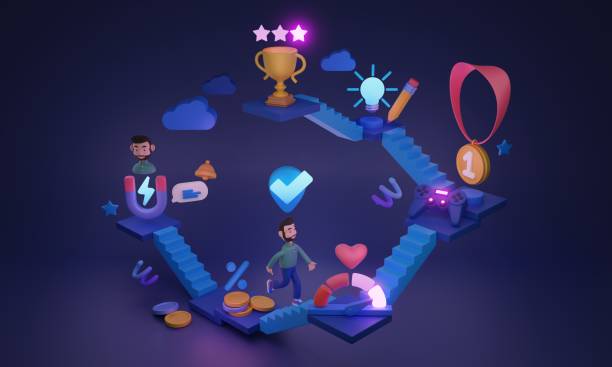
In an era where customer attention spans are shrinking and competition for brand loyalty is fiercer than ever, businesses are seeking innovative strategies to foster deeper engagement. Among the most effective and engaging strategies is the rise of gamified loyalty programs. By integrating game-like elements into loyalty initiatives, brands are transforming mundane reward systems into interactive and enjoyable experiences that captivate customers and build long-lasting relationships.
What are Gamified Loyalty Programs?
Gamified loyalty programs are loyalty initiatives that apply game mechanics—such as points, badges, leaderboards, challenges, and levels—to enhance customer engagement and motivation. Instead of merely rewarding purchases, gamification adds an element of fun and competition, encouraging customers to interact more frequently and meaningfully with the brand.
These programs tap into fundamental human desires for achievement, recognition, and social connection, making loyalty participation an enjoyable and emotionally rewarding experience.
Why Gamified Loyalty Programs Drive Stronger Customer Engagement
Traditional loyalty programs often suffer from low participation rates because they lack excitement and interaction. Gamification injects a sense of fun, urgency, and personal achievement, transforming passive participants into active brand advocates.
Key benefits of gamified loyalty programs include:
- Enhanced Customer Engagement: Interactive challenges and rewards keep customers coming back.
- Increased Customer Retention: Fun, rewarding experiences build emotional bonds with the brand.
- Boosted Purchase Frequency: Incentivizing specific behaviors through gamified tasks drives repeat business.
- Social Sharing and Virality: Leaderboards and community challenges encourage social sharing and referrals.
- Valuable Customer Insights: Gamified interactions provide rich data on customer preferences and behaviors.
Essential Elements of Gamified Loyalty Programs
A successful gamified loyalty program seamlessly blends entertainment with strategic brand objectives. Here are key components:
1. Points and Badges
Awarding points for specific actions, such as purchases, reviews, or social shares, and recognizing achievements with digital badges, fosters a sense of accomplishment.
2. Progression Levels
Introducing tiered levels (e.g., Bronze, Silver, Gold) motivates customers to progress and unlock exclusive rewards, fostering long-term engagement.
3. Leaderboards and Competitions
Leaderboards create a healthy sense of competition among participants, encouraging them to increase their activity to climb the rankings and earn recognition.
4. Challenges and Quests
Engaging customers through time-bound challenges or missions (e.g., “Order 3 times this month to unlock a special reward”) promotes repeat visits and deeper brand interaction.
5. Surprise and Mystery Rewards
Randomized surprise rewards or “spin the wheel” features inject excitement and unpredictability into the loyalty journey.
6. Gamification in Customer Loyalty Platforms
Brands are increasingly turning to Gamification in Customer Loyalty strategies that integrate with mobile apps and online platforms, offering a seamless, interactive experience across channels.
Top 5 Companies Offering Gamified Loyalty Program Solutions in 2025
Several leading technology providers are enabling brands to implement dynamic and engaging gamified loyalty programs. Here are five top companies driving innovation in this space:
1. Yegertek
Yegertek, a premier customer engagement solutions provider, offers gamified loyalty capabilities through its Engage360 platform. Powered by Microsoft Dynamics 365, Yegertek designs personalized loyalty experiences that incorporate game mechanics such as challenges, tiered rewards, and interactive mobile engagements. Their expertise in Gamification in Customer Loyalty allows brands to craft loyalty journeys that are fun, engaging, and aligned with business objectives.
2. Punchh (PAR Technology)
Punchh specializes in creating data-driven loyalty programs with a strong focus on gamified elements. Their platform enables brands to design personalized challenges, reward gamification, and community-driven competitions to drive higher engagement and retention.
3. Bunchball (A BI WORLDWIDE Company)
Bunchball is a pioneer in gamification, offering platforms that integrate game mechanics into customer loyalty and employee engagement programs. Their expertise lies in designing motivational programs that drive behavioral change through competition, recognition, and rewards.
4. Annex Cloud
Annex Cloud delivers loyalty solutions that integrate user-generated content, referral marketing, and gamified loyalty experiences. Their platform supports interactive challenges, social sharing incentives, and personalized engagement strategies that encourage active participation.
5. Badgeville (CallidusCloud/SAP Litmos)
Badgeville, now part of SAP Litmos, specializes in behavior-based gamification strategies. Their loyalty solutions incorporate points, achievements, and social leaderboards to create engaging and habit-forming customer experiences.
How Gamified Loyalty Programs Work in Practice
Let’s explore how brands leverage gamification to supercharge their loyalty initiatives:
- Nike Run Club: Nike’s mobile app rewards users for completing fitness challenges, tracking progress, and competing with friends. This gamified approach not only promotes product engagement but also aligns with the lifestyle aspirations of fitness enthusiasts.
- Starbucks Rewards: Starbucks uses personalized challenges and bonus star opportunities to gamify the rewards experience. Customers are incentivized to try new products, visit during off-peak hours, and engage with seasonal campaigns.
- Domino’s Piece of the Pie Rewards: Domino’s gamifies its loyalty program with interactive challenges and surprise rewards, keeping customers engaged and eager to participate.
These examples demonstrate how gamification can transform traditional loyalty programs into immersive, fun, and habit-forming experiences.
Strategies for Building Successful Gamified Loyalty Programs
For brands looking to implement gamification in their loyalty strategies, here are key best practices:
1. Align Game Mechanics with Business Goals
Ensure that gamified elements (e.g., challenges, tiers, rewards) align with desired customer behaviors such as increased purchase frequency, higher basket size, or social sharing.
2. Focus on User Experience
The gamification journey should be intuitive, visually appealing, and easy to navigate. A seamless user experience encourages participation and repeat engagement.
3. Personalize Challenges and Rewards
Use customer data to design personalized quests and rewards that resonate with individual preferences and behaviors.
4. Foster Social Interaction
Incorporate social elements such as leaderboards, community challenges, and referral incentives to encourage sharing and peer engagement.
5. Monitor, Analyze, and Optimize
Continuously track program performance using analytics to identify what game mechanics drive the most engagement and optimize strategies accordingly.
The Role of Technology in Gamified Loyalty Programs
Technology is the backbone of modern gamified loyalty programs, enabling brands to deliver real-time, personalized, and scalable experiences. Key technological enablers include:
AI and Machine Learning
AI-driven analytics help in personalizing challenges, predicting customer behaviors, and automating reward structures based on real-time data insights.
Mobile Apps and Digital Wallets
Mobile-first platforms provide the perfect ecosystem for interactive loyalty experiences, allowing customers to track progress, earn rewards, and participate in challenges on-the-go.
API-Based Loyalty Engines
API-driven platforms like Yegertek’s Engage360 and Talon.One’s loyalty engine enable businesses to build flexible, gamified loyalty experiences that integrate seamlessly with existing systems.
Augmented Reality (AR) and Virtual Reality (VR)
Emerging technologies like AR and VR are being explored to create immersive gamified loyalty experiences, further enhancing customer engagement.
The Future of Gamified Loyalty Programs
As customer expectations continue to evolve, the future of gamified loyalty programs will be shaped by:
- Hyper-Personalization: Real-time, AI-powered personalization of gamified journeys.
- Lifestyle Integration: Aligning gamified loyalty initiatives with customers’ daily habits and aspirations.
- Sustainability Gamification: Rewarding eco-friendly behaviors and social impact initiatives through gamified mechanisms.
- Immersive Experiences: Leveraging AR and VR to offer unique, interactive loyalty experiences.
Brands that invest in innovative gamification strategies and leverage cutting-edge technologies will be well-positioned to build deeper customer relationships and drive sustainable business growth.
Conclusion
Gamification has emerged as a powerful tool for brands seeking to elevate their loyalty programs and foster meaningful customer engagement. By incorporating game mechanics into loyalty initiatives, businesses can transform ordinary transactions into exciting, interactive experiences that captivate and retain customers.
Companies like Yegertek, Punchh, Bunchball, Annex Cloud, and Badgeville are leading the charge, equipping brands with the tools to design engaging gamified loyalty programs that drive behavioral change and build lasting brand affinity.
As businesses continue to explore new frontiers in customer engagement, gamification will play a central role in shaping the future of loyalty strategies.