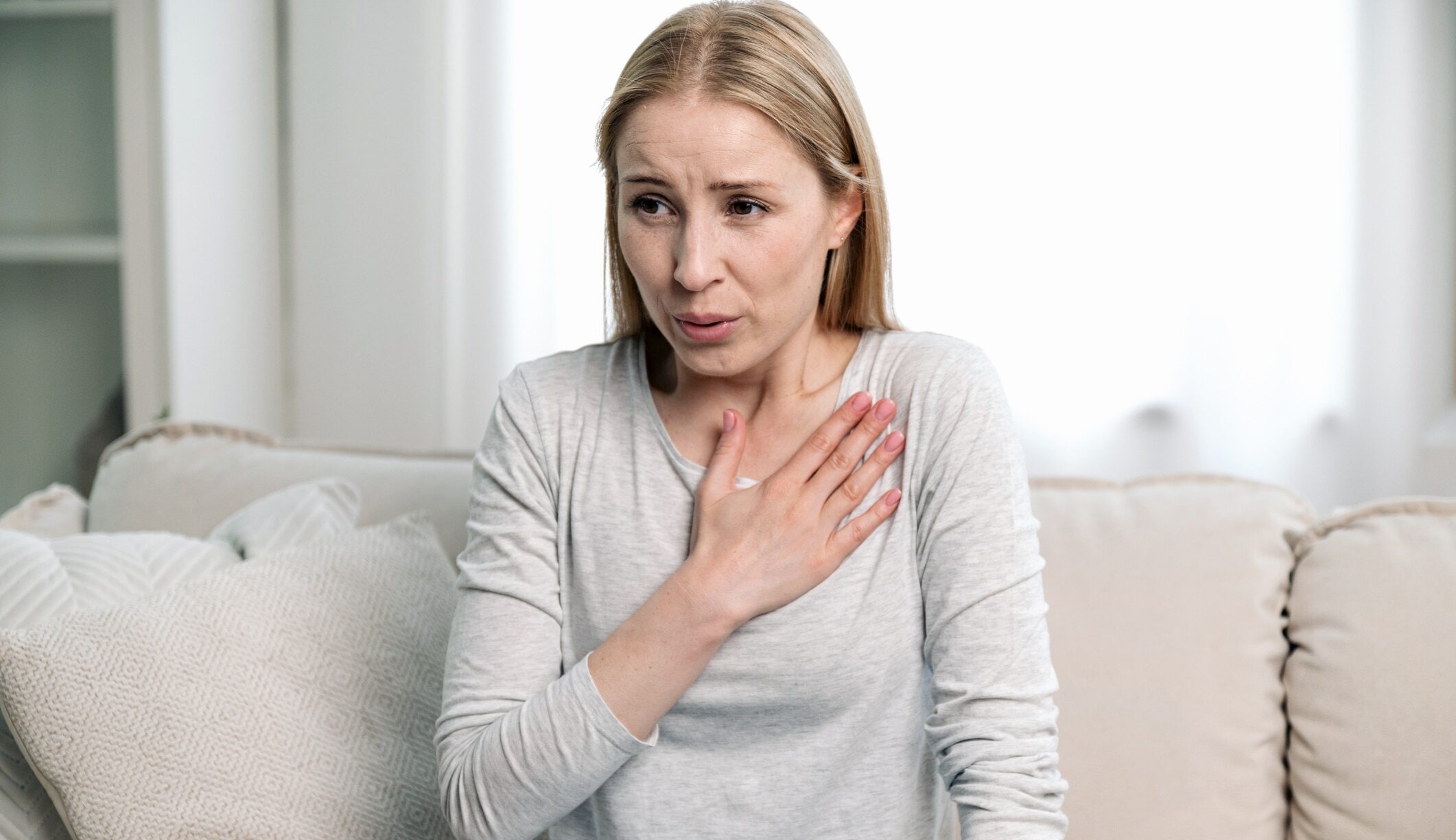
Shortness of breath, also known as dyspnea, can be a troubling and distressing experience. Whether it is a result of a medical condition, physical exertion, or stress, it is important to understand how to manage and relieve this sensation. This article explores common causes of shortness of breath and offers practical tips for alleviating it, along with steps you can take to prevent it from occurring in the future.
What Causes Shortness of Breath?
Shortness of breath is a symptom, not a condition in itself. There are numerous potential causes, ranging from temporary and benign conditions to chronic illnesses. The most common causes include:
1. Respiratory Issues
Respiratory conditions such as asthma, chronic obstructive pulmonary disease (COPD), and pneumonia can directly affect your ability to breathe. In these conditions, the airways become inflamed, constricted, or filled with mucus, limiting airflow and making breathing difficult. For individuals with asthma or COPD, flare-ups can result in severe shortness of breath, especially if the condition is not properly managed.
2. Heart-Related Problems
Heart conditions such as heart failure or arrhythmias can lead to fluid buildup in the lungs, which in turn causes shortness of breath. When the heart cannot pump blood effectively, the body may struggle to get oxygen to the lungs and organs, leading to a feeling of breathlessness.
3. Anxiety and Panic Attacks
Emotional factors such as anxiety and panic attacks can also contribute to shortness of breath. During episodes of anxiety or panic, the body may go into fight-or-flight mode, triggering rapid breathing (hyperventilation) that feels like you can’t get enough air.
4. Obesity and Lack of Physical Fitness
Being overweight or out of shape can also make breathing more difficult, particularly during physical exertion. Extra weight puts pressure on the diaphragm and lungs, and poor cardiovascular fitness means your body isn’t able to use oxygen efficiently.
5. Environmental Factors
Environmental factors such as high altitudes, poor air quality, or exposure to allergens can exacerbate shortness of breath. If you live in an area with heavy pollution or allergens, it can irritate the airways and trigger breathlessness.
Health and Wellness Approaches to Preventing Shortness of Breath
Health and wellness play an essential role in preventing shortness of breath, especially if it is linked to lifestyle factors. By adopting a few key practices, you can improve your overall lung health and reduce the likelihood of experiencing breathlessness.
1. Exercise Regularly
Regular physical activity strengthens the heart, lungs, and diaphragm, making it easier for the body to get oxygen. Engaging in aerobic exercises such as walking, jogging, swimming, or cycling can improve lung capacity and endurance, which can help prevent shortness of breath in the long run.
It’s important to start slow and gradually increase the intensity of exercise if you’re not used to regular activity. This will help condition your lungs and heart to better cope with exertion.
2. Maintain a Healthy Weight
Excess body weight can put additional pressure on your lungs and diaphragm, making it harder to breathe, especially during physical activity. Maintaining a healthy weight through balanced nutrition and exercise can improve lung function and reduce breathlessness.
Eating a diet rich in fruits, vegetables, lean proteins, and whole grains will support your overall health and make it easier for your body to manage physical exertion.
3. Stay Hydrated
Dehydration can lead to thicker mucus in the airways, which can worsen shortness of breath, especially for those with respiratory conditions like asthma or COPD. Drinking enough water throughout the day helps thin the mucus, making it easier for your lungs to function properly.
4. Avoid Smoking and Exposure to Pollutants
One of the most important things you can do for your lungs is to avoid smoking and secondhand smoke. Smoking damages the airways, reduces lung capacity, and increases the risk of chronic respiratory diseases like COPD. In addition, minimizing exposure to environmental pollutants and allergens can prevent irritation and inflammation in the airways.
If you live in a city with high levels of air pollution, consider wearing a mask while outdoors, especially during high-smog days.
Effective Tips for Managing Shortness of Breath
If you experience shortness of breath, it is essential to know how to manage the sensation effectively. Below are several tips that may help you cope with and reduce breathlessness.
1. Practice Deep Breathing
Deep breathing exercises are one of the most effective techniques for managing shortness of breath. When you experience breathlessness, try to focus on your breath and take slow, deep breaths. Breathe in through your nose for a count of four, hold for a count of four, and then exhale slowly through your mouth for a count of four.
This technique can help activate the parasympathetic nervous system, which reduces anxiety and allows your body to relax, making it easier to breathe. This technique is particularly helpful for individuals who experience shortness of breath during anxiety or panic attacks.
2. Use Pursed Lip Breathing
Pursed lip breathing is another technique used to manage shortness of breath, especially for individuals with lung conditions like COPD. To perform pursed lip breathing:
-
Inhale through your nose for two counts.
-
Purse your lips as if you were blowing out a candle.
-
Slowly exhale through your pursed lips for four counts.
Pursed lip breathing helps keep the airways open longer, making it easier to exhale and remove trapped air in the lungs. This technique can improve oxygen exchange and prevent shortness of breath during physical activity.
3. Positioning Yourself for Easier Breathing
Certain body positions can help relieve shortness of breath. Try sitting upright with your back straight or standing with your shoulders back. This helps open the chest and makes it easier for your lungs to expand fully.
If you are lying down and experiencing breathlessness, try sitting up or propping yourself up with pillows. This can help alleviate pressure on your diaphragm and improve airflow to your lungs.
4. Monitor Your Symptoms
If you frequently experience shortness of breath, it is important to track your symptoms and note when they occur. Pay attention to any triggers or patterns in your breathing difficulties. For example, does shortness of breath occur after physical exertion, when you are exposed to certain allergens, or during times of emotional stress?
Keeping track of these symptoms will help you better understand the cause of your shortness of breath and help you take appropriate action when necessary. If you notice a worsening of symptoms or if shortness of breath occurs unexpectedly, seek medical attention to rule out any underlying health conditions.
5. Seek Medical Attention When Necessary
While shortness of breath can often be managed with lifestyle changes and breathing exercises, it’s important to know when to seek professional help. If your shortness of breath is severe, persistent, or occurs suddenly, you may need to seek medical attention. This is especially important if shortness of breath is accompanied by chest pain, dizziness, or a feeling of tightness in the chest, as these could be signs of a heart attack or other serious medical conditions.
In cases of chronic respiratory conditions like asthma or COPD, a healthcare provider may prescribe medications to help manage symptoms and prevent flare-ups. Always follow your doctor’s recommendations for managing your condition.
Conclusion
Shortness of breath can be a distressing and uncomfortable experience, but understanding the causes and learning how to manage it effectively can greatly improve your quality of life. By incorporating health and wellness practices into your daily routine, such as regular exercise, maintaining a healthy weight, and avoiding harmful environmental factors, you can reduce the frequency and severity of breathlessness. Additionally, using breathing techniques and proper positioning can help relieve the sensation when it occurs.
If you experience persistent or severe shortness of breath, it is important to seek medical advice. With proper management and preventive measures, you can take control of your breathing and enjoy a healthier, more active lifestyle.