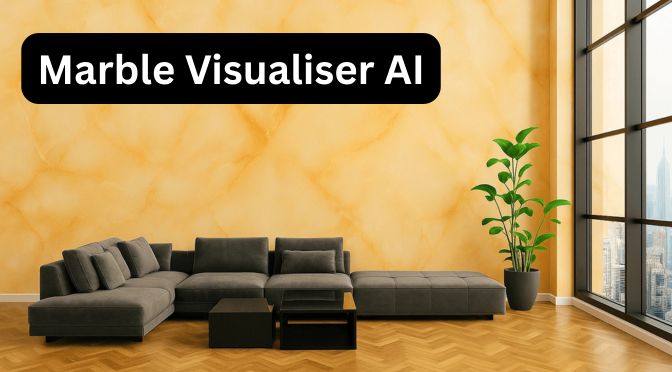
Designing interiors has always been a balance of vision, creativity, and practicality. Yet, for decades, a common challenge lingered—how do you accurately imagine how a space will look before making costly decisions? This is where Marble Visualiser AI enters the scene. By blending artificial intelligence with interior design, it empowers professionals and homeowners alike to explore marble layouts, textures, and aesthetics with unmatched precision.
The Role of Technology in Interior Design
Interior design has traditionally relied on sketches, physical samples, and mock-ups. While helpful, these methods often left gaps in visualization. Clients had to rely heavily on imagination, leading to miscommunication, hesitation, and sometimes regret after installations.
Technology has bridged this gap. Artificial intelligence allows for real-time simulations, creating realistic previews of how a chosen marble will look under different conditions. This not only saves time but also reduces material waste and boosts client confidence.
Why Marble Visualiser AI is Transformative
What makes this tool stand out is how it combines creativity with intelligence. Instead of static images, it generates interactive previews tailored to specific spaces. Whether you’re a homeowner curious about a new countertop or a designer pitching to a client, the advantages are clear:
- Realistic Views: Visuals mimic real-world lighting, shadows, and angles.
- Experimentation: Users can test multiple marble types in seconds.
- Efficiency: Decisions that once took weeks can now be made in hours.
- Accuracy: The risk of mismatched tones or patterns is drastically reduced.
- Confidence: Both designers and clients move forward with certainty.
Marble Visualiser AI for Designers and Architects
For professionals, communication is often the hardest part of the job. Clients may not fully grasp technical drawings or mood boards. With Marble Visualiser AI, architects and designers can offer immersive previews that bridge the gap between concept and execution.
It also enables collaboration. Designers and clients can adjust details in real-time—changing slabs, finishes, or layouts—making the design process more engaging and transparent.
Practical Applications in Interior Spaces
Living Rooms
Marble is often used as a statement piece, whether as flooring, feature walls, or coffee tables. With AI visualization, clients can instantly test different hues and veining patterns before making a decision.
Kitchens
Countertops, backsplashes, and islands define modern kitchens. A quick preview can reveal whether a bold veined slab adds drama or if a subtle tone better complements cabinetry.
Bathrooms
From walls to vanities, marble brings luxury to bathrooms. Designers can use AI to compare textures—polished, honed, or matte—showing how each creates a distinct ambiance.
Commercial Spaces
Hotels, offices, and showrooms benefit immensely. Business owners can craft environments that impress clients while maintaining functionality, all visualized before construction begins.
Enhancing the Shopping Experience
Traditionally, customers walked through marble showrooms, trying to imagine how large slabs would look in their homes. But showroom lighting and scale often distorted perception.
Now, with digital tools, buyers can “place” chosen slabs into virtual versions of their rooms. This removes uncertainty and transforms marble shopping from overwhelming to enjoyable.
Sustainability Through Smarter Choices
Interior design is increasingly tied to sustainability. Physical samples and wasted materials contribute to environmental strain. By relying on digital previews, the need for physical sampling decreases, and mismatched installations are avoided.
This not only helps the planet but also positions design professionals as forward-thinking and responsible.
The Future of Marble Design with AI
As technology evolves, the possibilities expand. We may soon see:
- Augmented Reality (AR): Using smartphones or AR glasses, clients could “walk through” virtual marble interiors in real time.
- AI-Driven Suggestions: Tools that recommend marble styles based on room size, lighting, and personal preferences.
- Integration with Smart Homes: Seamlessly linking design tools with home technology for customized, adaptive interiors.
The future promises spaces that are not just beautiful, but also intelligently designed and deeply personal.
How Marble Visualiser AI Elevates Client Confidence
One of the biggest hurdles in interior projects is hesitation. Clients often second-guess decisions, fearing the final outcome won’t match their vision.
With lifelike simulations, this hesitation dissolves. Clients no longer rely solely on descriptions or mood boards—they see it, experience it, and approve it with clarity. This makes projects smoother, faster, and more satisfying for everyone involved.
Final Thoughts: The Power of Marble Visualiser AI
Innovation has always been about making life simpler, smarter, and more inspiring. Marble Visualiser AI does exactly that for interior design. By combining artistry with technology, it helps professionals and homeowners craft spaces that feel both timeless and tailor-made. As the design world embraces such tools, one thing becomes clear: the future of interiors is not just imagined—it’s vividly experienced before a single stone is laid.
Frequently Asked Questions (FAQs)
What are some eco-friendly gift-wrapping ideas?
You can use recycled paper, fabric wraps, or biodegradable packaging materials to reduce waste.
How can I make my gift wrap look elegant without spending much?
Simple additions like twine, pressed flowers, or handwritten tags add charm without extra cost.
What’s the benefit of reusable gift boxes?
They minimize waste, can be repurposed for storage, and add long-term value for the recipient.
How do I wrap an unusually shaped gift?
Use decorative bags, flexible fabric wraps, or layered tissue paper to cover odd shapes stylishly.
How can I personalize a wrapped gift?
Add custom notes, photos, or monogrammed tags that connect the wrapping to the recipient’s personality.
Are handmade wraps a good option for special occasions?
Yes, handmade wraps show extra effort and creativity, making gifts more meaningful.
What role do colors play in wrapping gifts?
Colors influence mood—gold for luxury, green for freshness, and red for excitement.
How do I make a last-minute wrap still look stylish?
Use plain kraft paper and elevate it with washi tape, doodles, or ribbon.
What are some alternatives to wrapping paper?
Scarves, newspaper pages, and even reusable tote bags can double as creative wraps.
Why is presentation important in gifting?
Good presentation adds anticipation, shows thoughtfulness, and makes even simple gifts feel special.