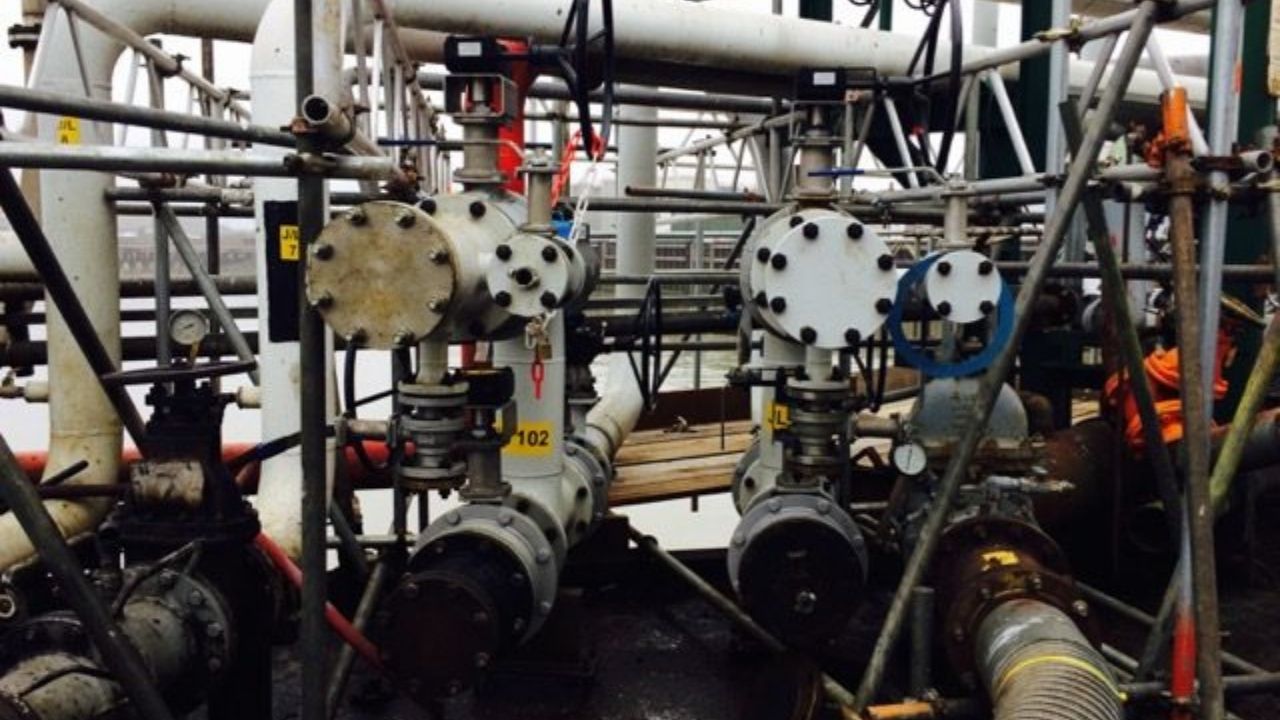
This article explains how experienced mechanical cost planning helps contractors control HVAC and plumbing budgets, reduce coordination risk, and avoid rework. Written from a practical estimating perspective, it connects drawings, field conditions, and real labor costs to better project outcomes.
Mechanical Cost Planning That Reflects How Systems Are Actually Built
Mechanical scopes are where good projects quietly make money—or slowly lose it. HVAC, plumbing, and related systems are packed with coordination challenges, long lead times, and labor-heavy installations. Yet Mechanical Estimating is still often treated as a fast takeoff exercise instead of a careful cost-planning process. For contractors working in competitive markets like Florida, that gap between estimate and reality can decide whether a project finishes strong or struggles to break even.
The problem usually starts early. Drawings look complete, equipment schedules seem clear, and historical numbers feel “close enough.” But once work begins, reality steps in. Ceiling spaces are tighter than expected. Structural conflicts force rerouting. Labor hours stretch, and change orders pile up. By the time the job team sees the full picture, margins are already under pressure.
The solution isn’t bidding higher across the board. It’s building mechanical estimates that reflect how systems are installed, coordinated, and sequenced in the field—before contracts are signed.
Why Mechanical Systems Create Estimating Risk
Mechanical work sits at the intersection of design intent and field execution. Unlike finishes or simple scopes, mechanical systems must fit within real spaces, interact with other trades, and meet performance requirements.
Estimating risk often comes from areas like:
- Incomplete coordination between ductwork, piping, and structure
- Assumptions about prefabrication that don’t match site conditions
- Underestimated labor for tight ceiling spaces or phased installations
- Equipment pricing volatility and long procurement timelines
These risks don’t show up as single big mistakes. They show up as dozens of small adjustments that slowly erode profit.
An experienced estimator looks for these pressure points early, not after crews are already mobilized.
How Mechanical Estimating Affects Schedules and Cash Flow
Mechanical costs don’t just affect the budget—they shape the schedule. Late equipment deliveries delay rough-in. Rerouting in the field slows progress. Inspections get pushed when systems aren’t ready.
From a cash flow standpoint, mechanical scopes often involve large upfront material commitments. When labor and material timing aren’t reflected correctly in the estimate, contractors can feel the squeeze months before the project stabilizes.
Good estimating connects cost, schedule, and sequencing so project teams know what’s coming—and when.
What Professional Mechanical Estimating Really Includes
Accurate mechanical estimates go far beyond counting fixtures and duct lengths. They break systems into buildable components and assign costs based on how work will actually be performed.
A thorough mechanical estimate accounts for:
- Ductwork by size, material, and installation difficulty
- Piping systems separated by type, pressure, and access constraints
- Equipment weights, rigging needs, and placement challenges
- Labor productivity adjusted for ceiling height, congestion, and phasing
This level of detail allows contractors to see where the real cost drivers are and where coordination matters most.
Mid-Rise Residential Project in Tampa, Florida
A mechanical contractor bid a mid-rise residential building in Tampa that included VRF systems, domestic water, and storm piping. The estimate was prepared quickly to meet a tight deadline. Ductwork and piping were priced using standard production rates, and coordination was assumed to be “typical.”
Once construction started, several issues surfaced. Structural beams reduced available ceiling space, forcing multiple duct reroutes. Plumbing risers conflicted with electrical runs. Labor hours increased as crews worked around other trades during compressed schedules.
The original estimate didn’t separate these risks clearly. By the halfway point, labor costs exceeded projections, and coordination meetings became frequent and time-consuming. While the contractor completed the job, profit was thinner than expected.
On a later project of similar size, the contractor partnered with a professional estimating firm. The estimate broke down mechanical systems by floor, identified tight zones, and adjusted labor rates accordingly. Equipment rigging and access were priced explicitly instead of assumed.
That project finished closer to budget, with fewer field changes and smoother coordination. The difference wasn’t better crews—it was better information up front.
How Mechanical Estimating Supports Better Coordination
Mechanical scopes rarely exist in isolation. Ducts cross beams. Pipes share shafts. Equipment competes for space. Estimating plays a role in managing these overlaps.
When estimates identify high-risk coordination areas, project teams can:
- Plan early coordination meetings
- Allocate time for rerouting or prefabrication
- Set realistic expectations with owners and designers
This proactive approach reduces surprises and keeps projects moving.
Where Mechanical Estimates Commonly Fall Short
Even experienced contractors make similar estimating mistakes under pressure:
- Treating mechanical labor as uniform across the project
- Ignoring access limitations during installation
- Underestimating time spent on coordination and revisions
These shortcuts aren’t intentional. They’re often the result of tight bid schedules and limited internal resources.
Outsourcing estimating support can help catch these gaps without slowing down the bidding process.
When Outsourcing Mechanical Estimating Makes Sense
Contractors often bring in external estimating help when:
- Bidding complex systems or unfamiliar building types
- Managing multiple bids at once
- Lacking in-house staff with deep mechanical experience
The goal isn’t to replace internal knowledge, but to support it with focused analysis.
How ALM Estimating Approaches Mechanical Scopes
ALM Estimating approaches mechanical work with a practical understanding of how systems are built and coordinated. Estimates are developed by reviewing drawings, schedules, and specifications with field conditions in mind.
Quantities are measured carefully. Labor assumptions reflect access, congestion, and phasing. Equipment costs account for handling and installation, not just purchase price.
Estimates are structured so contractors can track costs during construction, not just submit bids.
Building Confidence Before Installation Begins
When mechanical estimating is done right, project teams start with clarity instead of concern. Budgets align with reality. Schedules reflect actual installation effort. Field crews aren’t forced to solve problems that should have been addressed on paper.
That confidence reduces stress across the project and supports better outcomes for everyone involved.
Conclusion: Why Mechanical Estimating Protects Profit
Mechanical systems are complex, interconnected, and unforgiving when underestimated. Accurate estimating turns that complexity into something manageable.
ALM Estimating offers professional construction estimating and material takeoff services, designed to help contractors control costs, improve coordination, and mitigate risk before work begins. If you’re looking to strengthen mechanical budgets and avoid costly surprises, experienced estimating support can make a real difference.
Contact ALM Estimating to discuss how disciplined mechanical cost planning can provide clarity and confidence for your next project.