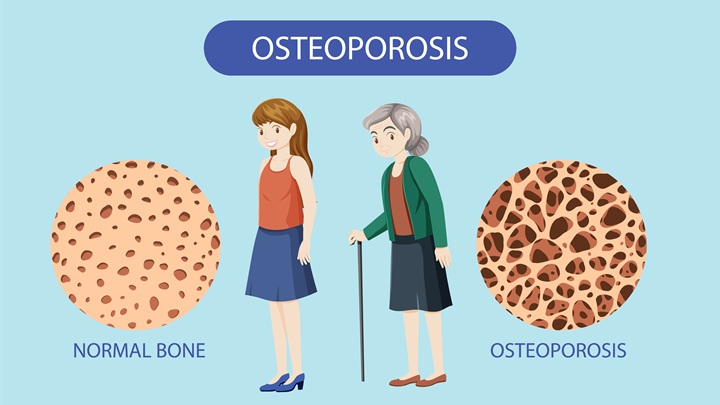
When we age, we hear a lot about joint pain and bone health, and especially osteoarthritis and osteoporosis. They might sound similar and may target the same body system, i.e., musculoskeletal. However, these two conditions have a small connection in terms of the impact they have on the body, the symptoms they produce, and their treatment.
In this blog, we’re going to talk about how these two conditions are similar but different, so you can have a better idea of how to handle them.
What is Osteoarthritis
Osteoarthritis is an ailment affecting one or more joints due to the degeneration of cartilage, a smooth protective tissue present at the ends of bones. Once the cartilage wears away, osteoarthritis pain, stiffness, and swelling set in as the bones rub together without any cushioning.
Common Signs and Symptoms of Osteoarthritis:
- Pain in the joints or soreness during or after using them
- Stiffness in joints, mostly upon waking or after long sitting
- Swelling or tenderness in or around a joint
- Clicking or popping sounds on movement of the joint
- Restrictions in range of motion or flexibility
- Bone spurs around the involved joint
Osteoarthritis normally affects weight-bearing joints such as knees, hips, and the spine, but can also affect the fingers and the neck.
What is Osteoporosis
It is a condition of the bones in which the bones lose their density or be affected to their strength negatively. As a result, the bones are so weak that they can break from a minor fall and even from everyday movements. This condition is known as a silent disease because there are no symptoms until a bone is fractured.
Common Signs of Osteoporosis:
- Unexpected fractures, often in the hip, spine, or wrist.
- Height loss over time.
- Stooped posture or curved upper back.
- Back pain which is frequently due to vertebral fractures.
- Difficulty in standing or walking for extended periods of time.
Key Differences Between Osteoarthritis & Osteoporosis
|
Feature |
Osteoarthritis |
Osteoporosis |
|
Affected Areas |
This affects the joints, primarily affecting the cartilage and the nearby bone. |
It all stems from diminished strength and bone density. |
|
Main Cause |
Wear and tear of joint cartilage is the culprit. |
With osteoporotic bones, bone mass is lost due to aging, hormonal changes, or nutritional deficiencies. |
|
Early Symptoms |
This causes joint pain with stiffness and restricted movements. |
It has no symptoms in the early stages and may remain unnoticed until an osteoporotic bone goes into fractures. |
|
Diagnosis |
It can be diagnosed by use of X-rays, physical examination or even MRI. |
It is treated by bone density scans (DEXA) and blood tests. |
|
Fracture Risk |
It has a lower fracture risk, unless there’s significant bone damage. |
It carries a high fracture risk, even with minor injuries or falls. |
|
Reversibility |
There is no way to reverse it, but one can manage its symptoms with intervention. |
When detected and attended to early, it can very well be slowed or stabilized. |
Are Osteoporosis & Osteoarthritis Related?
The two conditions differ even though they do have similar age-related features in their formation and characteristics related to the skeletal system. A situation where one might have both ailments is rare and usually includes cases among the very elderly and postmenopausal women.
Osteoporosis decreases the strength of the bones, and osteoarthritis makes the joints stiff and thus making movement a tedious task, which increases the chances of falling and fractures to a great extent.
Risk Factors: Who’s More Likely to Get These Conditions?
Shared Risk Factors:
- Older age, especially above 50
- Female gender
- Family history of bone or joint problems
- Low physical activity
- Poor nutrition
Risk factors specific to Osteoarthritis:
- Repeated joint injuries or overuse
- Obesity: Excess weight strains joints
- Joint deformities or alignment problems
- Specific jobs that need physical labor
Risk factors specific to Osteoporosis:
- Low calcium or vitamin D intake
- Early menopause
- Hormonal disorders, such as thyroid issues
- Smoking or alcohol use
- Long-term use of certain medications, such as steroids
Which One Hurts More?
This refers to variations in pain levels between osteoporosis and osteoarthritis. It is the degenerative osteoarthritis that brings on joint pain and stiffness, rendering even the smallest activities extremely painful.
The initial phase of osteoporosis does not bring about any pain. But any injury that happens to weak bones can become very painful and may even bring about complications if the injury is at the hip or spine.
So far, the chronic pain caused by arthritis has become unbearable for some. Others, however, consider their greatest ally to be the possibility of fractures and prolonged immobility arising from osteoporosis.
Diagnosis and Testing
Getting a clear diagnosis is important. A healthcare provider may use the following tests:
For Osteoarthritis:
- Physical examination
- Joint X-rays or MRIs
- Blood tests to rule out other joint problems.
For Osteoporosis:
- Bone mineral density scan (DEXA)
- Blood tests to check calcium and vitamin D
- Fracture risk assessments
Treatment Options for Osteoarthritis and Osteoporosis
Osteoarthritis Treatments:
- Physical therapy muscle strengthening.
- Anti-inflammatory medications.
- Exercises that do not put pressure on the joints, such as walking or swimming.
- Joint supports or braces.
- Behavior changes such as weight loss, activity change.
- In extreme cases, major surgery can be used in performing joint replacement surgery.
Osteoporosis Treatments:
- Supplements calcium and vitamin D
- Medications that slow down the rate of bone loss
- Weight-bearing and balance exercises
- Fall prevention at home
- Lifestyle changes (quit smoking, limit alcohol)
Is It Possible to Prevent These?
Not always possible to prevent, they should:
- Stay physically active.
- Keep yourselves on a full-basis calcium and vitamin D diet.
- Do not smoke or drink alcohol liberally.
- Do regular medical check-ups.
- Maintain a healthy weight.
- Protect your joints while at work or exercising.
You should opt for the best ortho doctor in Delhi for the correct diagnosis and treatment.
Conclusion
They are the two most common disorders and affect movement and quality of life, particularly as one ages. With osteoarthritis comes stiffness and aching pain; osteoporosis is the thinning and fragile adjective for bones.
This distinction will help you care for yourself better. Should you ever feel any of the symptoms or if you think of being at risk for either, consult a healthcare provider. Early recognition and treatment, and an improved lifestyle, can make all the difference to your strength, mobility, and independence. It is better to find the best knee replacement surgeon for better results.