In recent years, peptide therapy for weight loss has become a popular option for people looking to shed excess weight and improve overall health. While diet and exercise are the foundation of weight management, peptide therapy provides a medical approach that works with the body’s natural processes. This therapy targets the biological factors that influence fat storage, metabolism, and appetite. Understanding how it works and what to expect can help you make an informed decision about whether this treatment is right for you.
What Are Peptides?
Peptides are short chains of amino acids, which are the building blocks of proteins. Unlike larger proteins, peptides are small enough to interact directly with cells and influence specific biological functions. This unique property has made them a focus of medical research, particularly for weight management. Certain peptides help regulate hormones, boost metabolism, control appetite, and promote fat loss. Essentially, they act as messengers in the body, signaling processes that can support healthy weight management.
How Peptide Therapy Helps With Weight Loss
Peptide therapy works by supporting the body’s natural mechanisms for regulating fat storage, energy levels, and hunger. Some peptides help control appetite by influencing hormones that signal fullness, making it easier to eat less without feeling deprived. Others stimulate growth hormone release, which increases fat burning and improves muscle mass. More muscle mass means the body burns more calories even at rest, making weight loss more efficient. Some peptides also improve how the body uses insulin, helping to control blood sugar and prevent excess fat storage. Additionally, certain peptides enhance cellular energy production, giving you more energy for exercise and daily activities.
Common Peptides Used for Weight Loss
Several peptides are commonly used in weight loss therapy, each targeting different aspects of metabolism and appetite. CJC-1295 promotes growth hormone release, helping to burn fat, build muscle, and boost energy. Ipamorelin also stimulates growth hormone production, reduces fat, preserves muscle, and helps control appetite. Tesamorelin is known for reducing abdominal fat and improving body composition. BPC-157 supports gut health, which can indirectly aid weight loss by improving digestion and nutrient absorption. Semaglutide mimics the glucagon-like peptide-1 hormone, reducing hunger and supporting weight loss in overweight and obese individuals.
Benefits of Peptide Therapy
One of the main benefits of peptide therapy is its ability to target fat loss more precisely than diet and exercise alone. It can increase metabolism, making the body burn calories more efficiently. Peptides that regulate appetite make it easier to follow a healthy diet, while others improve energy and recovery from exercise. Many peptides also offer additional benefits, such as improved skin elasticity and overall vitality. This means that while you are losing weight, you may also notice better overall health and appearance.
How Peptide Therapy Is Administered
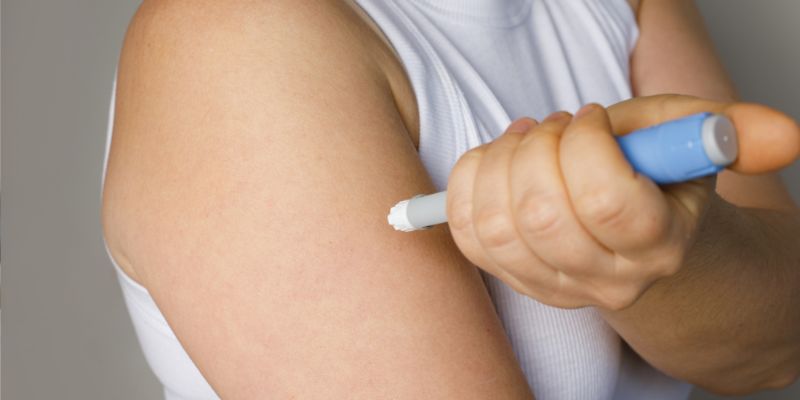
Peptide therapy is usually given through small injections under the skin, although some types can be taken orally or as nasal sprays. The treatment is personalized based on your goals, age, and health condition. It generally starts with a consultation to review medical history and weight loss objectives. Blood tests may be conducted to check hormone levels and overall health, ensuring the therapy is safe. A customized plan is then created, detailing which peptides will be used, the dosage, and how often they will be administered. Regular follow-ups track progress and allow adjustments to the therapy as needed.
Expected Results From Peptide Therapy
The results of peptide therapy can vary depending on the type of peptide, metabolism, and lifestyle habits. Many people notice a reduced appetite within the first few weeks, along with higher energy levels and improved exercise performance. Visible fat loss may occur within two to three months, while significant improvements in muscle tone and body composition can take several months of consistent therapy. Peptide therapy works best when combined with healthy eating, regular exercise, and other lifestyle habits.
Potential Side Effects
Like any medical treatment, peptide therapy can have side effects, though they are usually mild. Some people experience minor reactions at the injection site, such as redness or swelling. Others may feel tired, have headaches, or experience slight digestive discomfort. Serious side effects are rare, but there is a small risk of hormonal imbalance. Working with a licensed healthcare provider reduces these risks and helps avoid unregulated or counterfeit peptides.
Who Can Benefit From Peptide Therapy?
Peptide therapy can benefit many people struggling with weight loss, especially those who have difficulty losing fat despite diet and exercise or have hormonal imbalances that affect metabolism. Adults seeking a medically supervised approach to improving body composition may also find it helpful. However, it may not be recommended for pregnant or breastfeeding women, individuals with certain medical conditions, or people under the age of 18.
Cost of Peptide Therapy
The cost of peptide therapy varies based on the type of peptide, dosage, and clinic location. Initial consultations may range from $150 to $300, while a monthly supply of peptides can cost between $200 and $600. Follow-up appointments for monitoring progress usually range from $50 to $150. Insurance coverage is limited because peptide therapy is often considered elective or cosmetic, though some medications like semaglutide may be partially covered in certain cases.
Lifestyle Tips for Better Results
Peptide therapy works best when combined with a healthy lifestyle. Eating a balanced diet with whole foods, lean proteins, and healthy fats supports fat loss and muscle growth. Regular exercise, including both strength training and cardio, maximizes the fat-burning effects of peptides. Getting enough sleep is important because hormone production, including growth hormone, happens mostly during rest. Managing stress is also crucial because high stress increases cortisol, which can promote fat storage, especially around the abdomen. When these habits are combined with peptide therapy, results are faster and more sustainable.
Scientific Support for Peptide Therapy
Research has shown that peptide therapy can be effective for weight loss. Peptides like CJC-1295 and Ipamorelin have been shown to reduce fat and increase lean body mass. Clinical trials of semaglutide have shown significant weight reduction in overweight and obese individuals, with some losing more than 15% of their body weight in a year. Tesamorelin has been shown to reduce visceral fat and improve metabolic health. While more research is ongoing, current studies suggest that peptide therapy is safe and effective when guided by a healthcare professional.
Conclusion
Peptide therapy for weight loss is an innovative approach that works with the body’s natural systems to support fat loss, increase energy, and improve overall health. By targeting hormones, metabolism, and appetite, peptides help people overcome weight loss plateaus and achieve a healthier body composition. When combined with a balanced diet, regular exercise, sufficient sleep, and stress management, peptide therapy can be a powerful tool for sustainable weight loss. Consulting a licensed healthcare provider ensures a personalized plan and safe results. With proper guidance, peptide therapy can help you achieve long-term weight loss and overall wellness.