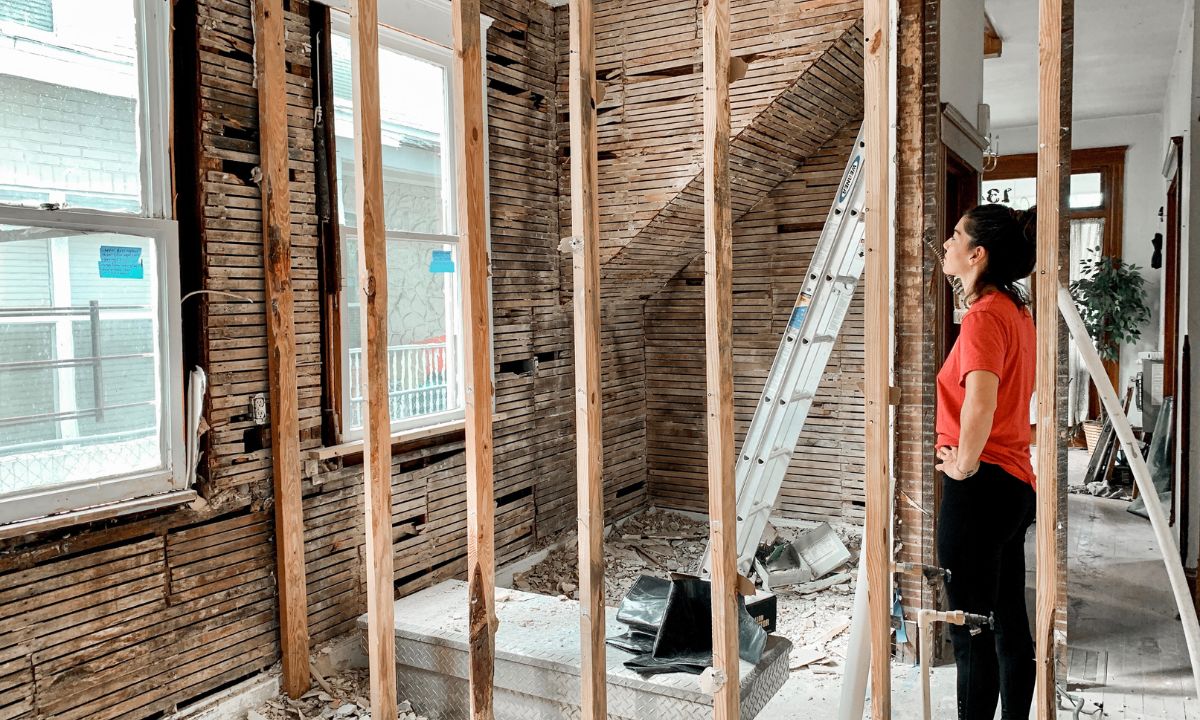
In Dubai’s fast-growing real estate market, properties can look flawless on the surface but hide costly issues beneath. A home inspection in Dubai helps uncover these hidden defects, ensuring your investment is safe, compliant, and built to last. Whether you’re buying a new villa, leasing an apartment, or maintaining your existing property, a professional inspection provides peace of mind and long-term value.
Why a Home Inspection in Dubai Is Essential
The Value of an Inspection Before You Buy or Rent
A professional home inspection reveals the true condition of your property before you make a decision. Here’s why it matters:
-
Identifies hidden problems in structure, plumbing, or electrical systems.
-
Prevents unexpected repair expenses after purchase or move-in.
-
Confirms compliance with Dubai’s building and safety standards.
-
Gives buyers, sellers, and tenants confidence in every transaction.
Common Defects Found During Dubai Home Inspections
Dubai’s climate and construction pace often result in recurring property issues such as:
-
Water leaks, drainage blockages, and plumbing defects.
-
Faulty or inefficient HVAC systems due to heavy use.
-
Structural cracks or uneven settlement in walls and ceilings.
-
Electrical faults, poor grounding, or non-compliant installations.
-
Finishing flaws or unapproved modifications.
What’s Included in a Home Inspection in Dubai
Standard Scope of Inspection (Simplified)
A comprehensive home inspection typically includes the following:
-
Foundation & Structure: Examines cracks, settlement, or instability in load-bearing components.
-
Exterior & Roof: Inspects waterproofing, drainage, roofing, and external finishes to prevent leaks or damage.
-
Interiors: Checks walls, floors, ceilings, doors, and windows for signs of wear or structural issues.
-
Mechanical, Electrical & Plumbing (MEP): Tests HVAC systems, water flow, and electrical panels for efficiency and safety.
-
Safety & Compliance: Reviews fire alarms, smoke detectors, and overall adherence to Dubai’s building codes.
How the Inspection Process Works
-
Preparation: The inspector reviews the property layout and past maintenance records.
-
On-Site Assessment: A room-by-room inspection with testing, photos, and defect documentation.
-
Detailed Report: A full report highlighting issues, their severity, and repair recommendations.
-
Follow-Up Support: Guidance on repairs, maintenance, or negotiation with sellers or developers.
Optional Add-On Services
-
Pre-Handover Inspections: For newly constructed homes to identify defects before moving in.
-
Move-In/Move-Out Inspections: For landlords and tenants to record the property’s condition.
-
Annual Maintenance Inspections: For homeowners to plan preventive repairs.
How to Choose the Right Home Inspection Company in Dubai
Factors to Consider
-
Qualified Professionals: Choose certified and experienced inspectors.
-
Local Knowledge: Ensure familiarity with Dubai’s building codes, materials, and climate conditions.
-
Comprehensive Reporting: Look for detailed inspection checklists and photo documentation.
-
Clear Pricing: Confirm the scope of service and any additional fees upfront.
-
Post-Service Assistance: Select companies offering report explanations and repair guidance.
-
Trusted Reputation: Review client testimonials and past project results.
Practical Tips for Homeowners
-
Be present during the inspection to understand the findings firsthand.
-
Ask questions about identified issues and maintenance recommendations.
-
Prioritize urgent safety and structural repairs first.
-
Use the report as a negotiation tool for purchases or leases.
-
Keep your inspection records for resale or warranty purposes.
Benefits of a Home Inspection in Dubai
-
Avoid unexpected costs by identifying issues early.
-
Make informed decisions based on a property’s real condition.
-
Strengthen negotiation power for buyers and sellers alike.
-
Plan preventive maintenance to extend your property’s lifespan.
-
Ensure compliance with Dubai’s safety and regulatory standards.
Dubai-Specific Inspection Insights
Climate and Construction Factors
-
Extreme heat, humidity, and saline air can cause premature material wear.
-
HVAC systems run year-round, making regular inspection crucial.
-
New developments may have “snagging” or finishing defects that require attention.
Legal and Regulatory Aspects
-
Compliance with the Dubai Building Code is mandatory.
-
Reporting defects promptly protects your right to warranty repairs.
Market and Investment Perspective
-
Inspections help investors ensure rental and resale value.
-
Well-maintained properties attract higher yields and faster tenant occupancy.
Frequently Asked Questions
Q1: What is a home inspection in Dubai?
A professional evaluation of a property’s structural, electrical, plumbing, and safety systems to detect defects before buying, renting, or maintaining a home.
Q2: When should I schedule an inspection?
Before signing a purchase or rental contract, or before handover in case of a new property.
Q3: How long does the inspection take?
Typically between 2–4 hours, depending on the size and complexity of the property.
Q4: What if serious issues are found?
You can request repairs, negotiate a price adjustment, or plan maintenance accordingly.
Q5: What does a home inspection cost in Dubai?
Pricing varies based on property type and inspection scope. Larger villas and more detailed assessments may cost more.
Conclusion
A home inspection in Dubai is more than just a checklist — it’s your best protection against future repair costs, compliance issues, and hidden defects. Whether you’re purchasing, leasing, or maintaining a property, hiring an experienced inspection team ensures you make confident, informed decisions. Schedule your inspection today to safeguard your investment and secure your peace of mind.