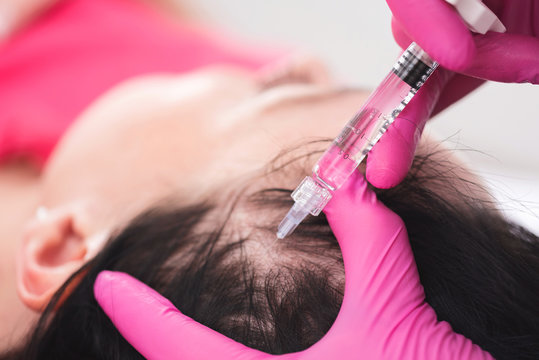
Alopecia, commonly referred to as hair loss, affects millions of men and women worldwide. In recent years, platelet-rich plasma (PRP) therapy has emerged as a promising solution for various types of hair loss. People experiencing thinning hair, receding hairlines, or bald patches are now considering PRP Hair Treatment in Islamabad as a non-surgical, minimally invasive option. But the question remains: does it really work for alopecia? This article will explore the science, process, and real-world results of PRP therapy for hair restoration.
Understanding Alopecia and Its Types
Alopecia is not a one-size-fits-all condition; it comes in several forms, each with different causes and progression rates. Understanding the type of alopecia you have is crucial before deciding on PRP treatment.
-
Androgenetic Alopecia (Pattern Baldness)
-
The most common form of hair loss, affecting both men and women.
-
Caused by genetic factors and hormonal imbalances, particularly sensitivity to dihydrotestosterone (DHT).
-
-
Alopecia Areata
-
An autoimmune condition where the body attacks hair follicles.
-
Leads to patchy hair loss on the scalp and sometimes other areas of the body.
-
-
Telogen Effluvium
-
Temporary hair shedding caused by stress, illness, or hormonal changes.
-
-
Scarring Alopecia
-
A rarer form of hair loss where inflammation destroys hair follicles and replaces them with scar tissue.
-
What Is PRP Therapy?
PRP therapy is a regenerative medical procedure that uses the patient’s own blood to stimulate hair growth. It involves:
-
Drawing a small amount of blood from the patient.
-
Spinning the blood in a centrifuge to separate platelet-rich plasma from other components.
-
Injecting the concentrated plasma directly into the scalp in areas affected by hair loss.
Platelets are rich in growth factors, which are proteins that play a vital role in cell regeneration and healing. When injected into the scalp, these growth factors can stimulate inactive or newly implanted hair follicles to grow thicker and healthier hair.
How PRP Works for Alopecia
PRP targets hair loss at the follicular level. The growth factors in the plasma encourage:
-
Increased blood flow to the hair follicles.
-
Extended growth phase (anagen phase) of the hair cycle.
-
Thickening of hair shafts.
-
Awakening of dormant hair follicles.
For individuals with androgenetic alopecia, PRP can help slow down hair loss and promote new growth. In cases of alopecia areata, PRP may reduce inflammation and trigger follicles to produce hair again.
The PRP Procedure Step-by-Step
-
Consultation and Diagnosis
A hair specialist will evaluate your scalp, discuss medical history, and determine whether PRP is suitable for your type of alopecia. -
Blood Collection
A small amount of blood (usually 15–30 ml) is drawn from your arm. -
Centrifugation Process
The blood is placed in a centrifuge, which spins it rapidly to separate platelets from red and white blood cells. -
Scalp Preparation
The scalp is cleaned and numbed using a local anesthetic to minimize discomfort. -
PRP Injection
The concentrated PRP is injected into the scalp at targeted points where hair loss is evident. -
Post-Treatment Care
Patients are advised to avoid washing the scalp for 24 hours and to refrain from strenuous activities that may cause sweating.
Expected Results and Timeline
Results vary depending on the type and severity of alopecia, overall health, and lifestyle habits. Typically, patients notice:
-
1–2 months: Reduced hair shedding.
-
3–4 months: Thicker hair strands and visible improvement in density.
-
6–12 months: Significant hair regrowth in treated areas.
Most specialists recommend an initial series of 3–4 sessions spaced 4–6 weeks apart, followed by maintenance sessions every 6–12 months.
Benefits of PRP for Alopecia
-
Non-surgical: No incisions or stitches required.
-
Minimal downtime: Most patients return to normal activities immediately.
-
Natural approach: Uses the body’s own healing components.
-
Versatile: Can be used for various types of alopecia.
-
Safe: Low risk of allergic reactions since it uses your own blood.
Limitations and Considerations
While PRP offers promising results, it is not a miracle cure for everyone. Factors to consider include:
-
Type of alopecia: Works best for early to moderate androgenetic alopecia.
-
Follicle health: If follicles are completely destroyed (as in advanced scarring alopecia), PRP is less effective.
-
Consistency: Multiple sessions and maintenance treatments are essential.
-
Lifestyle factors: Poor diet, stress, and smoking can reduce effectiveness.
Who Is an Ideal Candidate?
The best candidates for PRP are those who:
-
Have early signs of hair thinning or balding.
-
Maintain a healthy lifestyle and diet.
-
Are not suffering from blood disorders or chronic illnesses that affect healing.
-
Have realistic expectations about the results.
Side Effects and Safety
PRP is considered safe when performed by trained professionals. Common mild side effects include:
-
Scalp tenderness.
-
Minor swelling.
-
Temporary redness.
-
Mild bruising at injection sites.
Serious side effects are extremely rare when the procedure is done under sterile conditions.
PRP vs. Other Alopecia Treatments
-
Medications
-
Minoxidil: Over-the-counter topical solution that stimulates hair growth.
-
Finasteride: Oral medication that blocks DHT in men.
-
-
Hair Transplant Surgery
-
Surgical option that relocates hair follicles from donor to bald areas.
-
-
Laser Therapy
-
Low-level laser devices stimulate hair follicles.
-
PRP can complement these treatments, often improving results when combined.
The Role of Clinic Expertise
The effectiveness of PRP depends heavily on the skill and experience of the provider. Clinics with advanced centrifuge technology, proper safety protocols, and experienced practitioners tend to deliver better outcomes. One reputable option is Dynamic Aesthetic Clinic Islamabad, known for its trained staff and quality patient care.
Cost of PRP Hair Treatment for Alopecia in Islamabad
The cost can vary based on the clinic’s reputation, the technology used, and the number of sessions required. On average, prices range from PKR 12,000 to PKR 20,000 per session. Packages for multiple sessions often provide better value.
Myths and Facts About PRP for Alopecia
-
Myth: PRP works instantly.
Fact: It takes several months to see noticeable results. -
Myth: PRP can regrow hair in completely bald areas.
Fact: It works best where follicles are still present, even if dormant. -
Myth: Only men can benefit from PRP.
Fact: PRP is effective for both men and women.
How to Maximize PRP Results
-
Maintain a nutrient-rich diet high in protein, vitamins, and minerals.
-
Avoid smoking and limit alcohol consumption.
-
Manage stress through relaxation techniques.
-
Follow your doctor’s aftercare instructions strictly.
Real Patient Experiences
Many patients with alopecia report satisfaction with PRP therapy, noting reduced shedding and visible improvement in hair thickness. However, commitment to multiple sessions and maintenance treatments is key to long-term success.
Final Thoughts
PRP therapy for alopecia offers a safe, natural, and effective way to stimulate hair regrowth without surgery. While it is not a guaranteed cure for all types of hair loss, early intervention, combined with consistent maintenance, can deliver noticeable results. Consulting with a qualified specialist ensures you receive personalized care tailored to your specific needs.