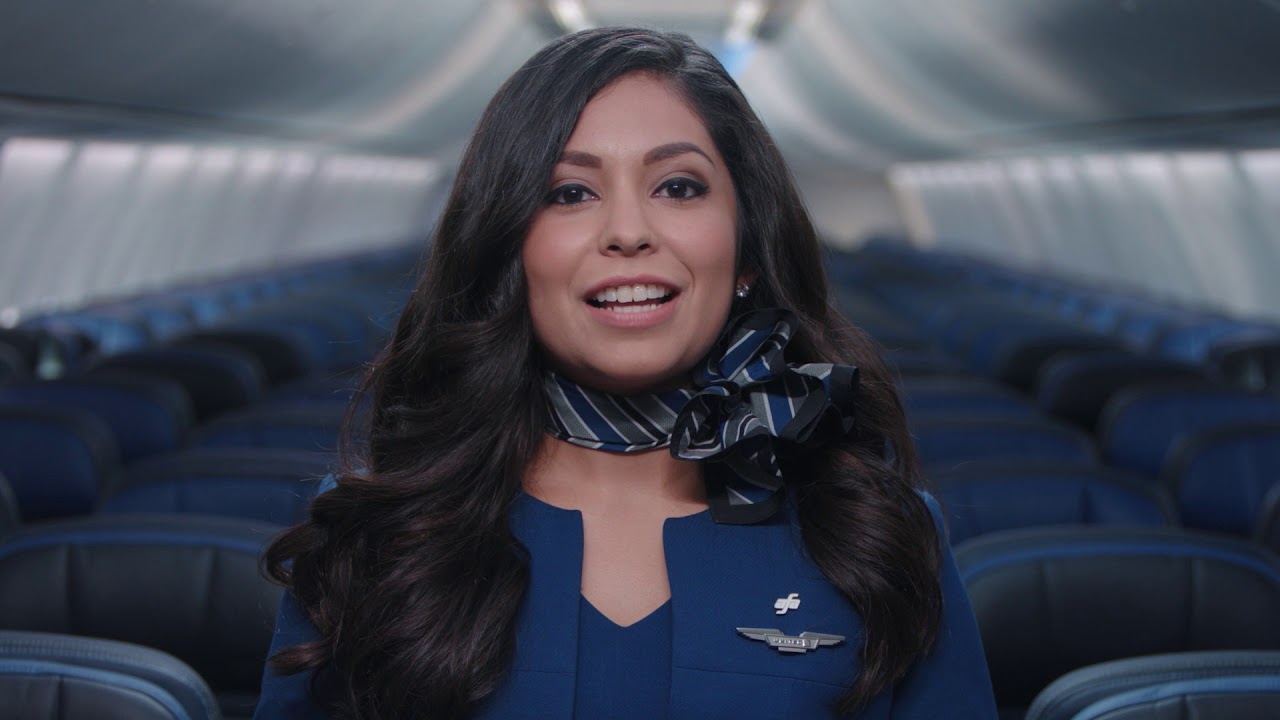
Crossing oceans is not just about traveling vast distances; it’s about entering new cultures, engaging with different people, and witnessing humanity from a unique altitude. For flight attendants, pilots, and frequent flyers, these journeys become more than just physical transit—they become life lessons. From quiet observations mid-flight to intense moments during turbulence, crossing oceans reveals profound human insights that extend far beyond the realm of aviation.
This article explores the emotional, social, and psychological layers of wisdom gained through years of international air travel. By recounting real-life experiences, it unpacks how time in the skies transforms one’s perspective on human behavior, empathy, and connection.
The Sky as a Mirror to Humanity
Flying above continents has a way of exposing how connected we truly are. Regardless of where passengers come from, certain behaviors, emotions, and needs are universal. A baby crying on a flight, a nervous flyer gripping the armrest, or a couple quietly holding hands mid-air—these are not anomalies but shared experiences. What emerges from these small moments is a deepened understanding of human vulnerability and resilience. The sky becomes a mirror, showing how people respond to fear, hope, or uncertainty. These human insights become especially clear when you begin to notice the way people from different backgrounds express the same emotions in remarkably similar ways.
One of the most valuable human insights learned from years in the air is empathy—not just the theoretical kind, but the type forged through real encounters with people in distress, joy, or grief. Consider the solo traveler who receives news of a loved one’s passing mid-flight, or the elderly couple on their last trip together. These are not rare occurrences in aviation. They happen every day on flights crossing oceans and continents. Attendants and crew members witness these human dramas unfold quietly behind tray tables and cabin curtains.
In such moments, empathy is no longer optional. It becomes a silent language—a glass of water offered without words, a comforting glance, or a decision to give someone space when they need it most. Over time, those who fly often develop a sixth sense for emotional signals, allowing them to respond in deeply humane ways.
Cultural Crossroads in the Cabin
Every transoceanic flight is a melting pot of languages, customs, and behaviors. For crew members and observant passengers alike, it offers the perfect environment to learn about cross-cultural communication. Serving a Korean meal to a Japanese family, explaining a safety procedure to someone with limited English, or handling customs-sensitive behavior with grace—all these situations demand cultural literacy. Over time, what starts as confusion transforms into appreciation. The flight deck becomes a global classroom, offering real-time lessons in patience, respect, and adaptability.
Behind every boarding pass is a story. Some are joyful—honeymoons, reunions, bucket-list adventures. Others are painful—emigrations, funerals, escapes from war or poverty. Frequent fliers and crew members become adept at reading these unspoken narratives. They can see the tension in a refugee’s eyes or the quiet gratitude of someone finally returning home. These experiences challenge assumptions and encourage a more nuanced view of humanity.
One of the most poignant human insights is this: everyone is dealing with something. The traveler’s smile may hide grief; their irritation may stem from fear. When you cross oceans frequently, you begin to give people more grace, recognizing that outward behavior is only the tip of a deeper emotional iceberg.
The Communal Nature of Crisis
Aviation, like life, is unpredictable. Mechanical issues, turbulence, medical emergencies—they all create moments of collective stress. In such times, barriers dissolve. Strangers become allies. During one particularly rough transatlantic flight, a medical emergency required cooperation from several passengers. A nurse, a translator, and a calm grandmother each stepped in. There was no hierarchy, no ego—just people helping people. That experience, and many like it, underscores one of the core human insights gained through flying: in moments of real crisis, people often rise to their best selves. The cabin becomes a microcosm of what’s possible when unity overrides division.
Cabin crew are trained to observe, but those who thrive in the role learn to listen—truly listen. It might be a homesick college student needing to talk, or a retired veteran sharing a story no one else has heard. In these interactions, crew members often serve as silent therapists, offering space for passengers to share pieces of their lives. The simple act of listening becomes transformative, not only for the speaker but for the listener as well. These quiet conversations provide one of the most humbling human insights: everyone has a story worth hearing, and sometimes all it takes is presence, not advice.
Reflections Between Destinations
The layovers and waiting periods between flights often provide the richest time for introspection. Whether staring at the Atlantic Ocean from a Dublin hotel window or sitting quietly in a Tokyo lounge, these moments allow crew and frequent travelers to reflect not only on their routes but also on their roles in the lives of others.
It’s in these pauses that many realize their work isn’t just transportation—it’s emotional labor. They are caretakers, cultural ambassadors, and conflict diffusers. This self-awareness fosters deeper emotional intelligence, one of the more profound human insights earned not from textbooks, but from lived experience.
In the world of aviation literature, few collections capture the emotional depth of these experiences better than Fasten Your Seat Belts Aviation Stories. This work offers firsthand narratives of what it’s like to live in the sky, recounting both dramatic and deeply human moments. From quiet compassion in cabin aisles to acts of bravery, the book adds texture and authenticity to the very human insights discussed throughout this article. It is a reminder that behind every takeoff and landing lies a world of emotion, memory, and connection.
The Sky Is a Classroom
Crossing oceans changes people. It offers more than just frequent flyer miles or scenic views from a window seat. It teaches compassion through crisis, patience through delay, and perspective through proximity to difference. The cumulative effect of these airborne experiences is a quietly transformative one. Over time, the traveler or flight crew member becomes not just more worldly but more aware of the threads that tie all humans together. These are not insights learned from formal study—they are felt, absorbed, and lived.
In a world increasingly shaped by division and speed, the skies offer something different: space to observe, time to reflect, and opportunities to understand each other more deeply. And in that understanding lies the real gift—human insights that travel far beyond the runway.