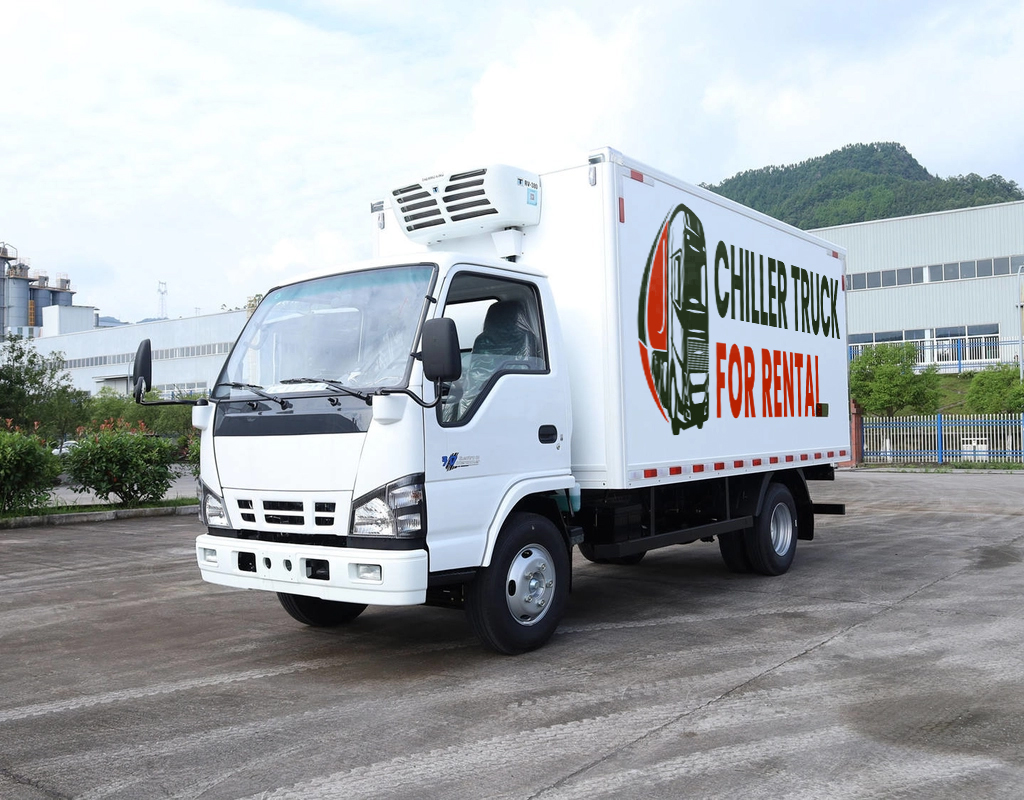
When it comes to transporting perishable goods, temperature control is everything. Whether you’re delivering fresh produce, frozen meat, or pharmaceuticals, maintaining the right temperature during transit can make or break your business. That’s where refrigerated truck rental services step in offering a cost-effective, flexible solution to keep your goods fresh and safe.
What Is a Refrigerated Truck?
A refrigerated truck, also known as a reefer truck, is a specially designed vehicle equipped with a cooling unit that maintains a controlled temperature inside the cargo area. These trucks are essential for transporting goods that need to stay cool or frozen, such as dairy, seafood, and medical supplies.
Modern refrigerated trucks use advanced refrigeration technology that allows operators to set specific temperature ranges, ensuring your goods stay in perfect condition from pickup to delivery.
Why Choose a Refrigerated Truck Rental Instead of Buying?
Buying a refrigerated truck is a huge investment. That’s why many businesses prefer renting here’s why:
Cost-Effective: Renting eliminates the need for upfront purchase costs.
Flexibility: Rent for short or long periods based on your business needs.
Maintenance-Free: Rental companies handle servicing and repairs.
Scalability: Easily adjust your fleet size during seasonal peaks.
In short, renting offers freedom no maintenance headaches, no depreciation losses.
Industries That Depend on Refrigerated Trucks
Several industries rely heavily on refrigerated transportation, including:
Food and Beverage
From frozen meats to dairy products, temperature consistency is critical in this industry.
Pharmaceutical and Healthcare
Medicines, vaccines, and lab samples require strict temperature control.
Floral and Agriculture
Flowers and fresh produce need controlled environments to preserve freshness during delivery.
Types of Refrigerated Trucks Available for Rent
When renting, it’s crucial to choose the right size and type for your goods:
Small Refrigerated Vans: Ideal for local deliveries and small loads.
Medium Refrigerated Trucks: Great for regional distribution.
Large Trailers: Used for long-distance transportation or bulk goods.
Key Features to Look for in a Refrigerated Truck Rental
Before signing any contract, check for these essential features:
Precise Temperature Control: Should offer adjustable cooling from -20°C to +10°C.
High-Quality Insulation: Ensures stable temperatures even in extreme weather.
GPS and Monitoring Systems: Track your goods in real-time.
Fuel Efficiency: Reduces operational costs.
How Refrigerated Trucks Maintain the Ideal Temperature
Refrigerated trucks use compressors, evaporators, and condensers to regulate temperature. The insulation layer minimizes heat transfer, while the cooling unit circulates cold air evenly. Some modern trucks also have multi-temperature zones, allowing the transport of both chilled and frozen goods simultaneously.
Benefits of Using a Refrigerated Truck Rental Service
Renting from a reputable company offers several advantages:
Reliable Delivery: Ensures your goods reach their destination safely.
Reduced Spoilage: Maintains product quality, minimizing waste.
Brand Credibility: Shows your customers you care about freshness and safety.
How to Choose the Right Refrigerated Truck Rental Company
Finding the right partner can make all the difference. Consider:
Experience and Reputation: Check reviews and testimonials.
Fleet Variety: Make sure they offer trucks that suit your specific cargo needs.
Support Services: 24/7 assistance for breakdowns or emergencies.
Cost Factors in Refrigerated Truck Rentals
Rental pricing varies depending on:
Distance and Duration: Longer trips or rentals mean higher costs.
Truck Size and Type: Larger trucks have higher rental rates.
Temperature Requirements: Ultra-low temperatures may cost extra.
Additional Features: GPS tracking, insurance, or driver services add to the total.
Tips for Renting a Refrigerated Truck
To ensure a smooth rental experience:
Inspect Before Renting: Check the cooling system and insulation.
Understand the Contract: Read terms about fuel, mileage, and insurance.
Verify Temperature Controls: Test the system before loading goods.
Challenges in Refrigerated Transportation
Despite its benefits, refrigerated logistics face a few hurdles:
High Energy Usage: Cooling units consume significant fuel.
Maintenance Costs: Regular servicing is essential for performance.
Environmental Impact: Traditional refrigerants can harm the environment.
Sustainable Practices in Refrigerated Trucking
The industry is shifting toward eco-friendly solutions, such as:
Green Refrigerants: Replacing harmful chemicals with low-emission alternatives.
Electric Reefer Trucks: Zero-emission vehicles powered by batteries.
Smart Routing: Reduces fuel use through optimized routes.
Future Trends in Refrigerated Truck Rentals
Technology continues to reshape the industry. Expect to see:
IoT Monitoring: Real-time temperature alerts via mobile apps.
AI-Driven Logistics: Predictive maintenance and route optimization.
Electric Fleets: More companies adopting green transport solutions.
Conclusion
In today’s fast-paced supply chain, refrigerated truck rental services are not just a convenience they’re a necessity. They ensure perishable products reach consumers safely, efficiently, and cost-effectively. Whether you’re a small business or a major distributor, choosing the right rental partner helps safeguard your reputation and your cargo’s freshness.
FAQs
- What’s the temperature range of a refrigerated truck?
Most trucks maintain temperatures between -20°C and +10°C, suitable for frozen and chilled goods.
- Can I rent a refrigerated truck for a single day?
Yes, many companies offer flexible daily or hourly rental plans.
- Do rental trucks come with drivers?
Some providers offer both self-drive and driver-inclusive options.
- Are refrigerated trucks suitable for long-distance transport?
Absolutely. High-end trucks are designed for cross-country and international deliveries.
- How do I ensure my products stay fresh during transit?
Always pre-cool the truck, monitor temperature logs, and avoid frequent door openings.