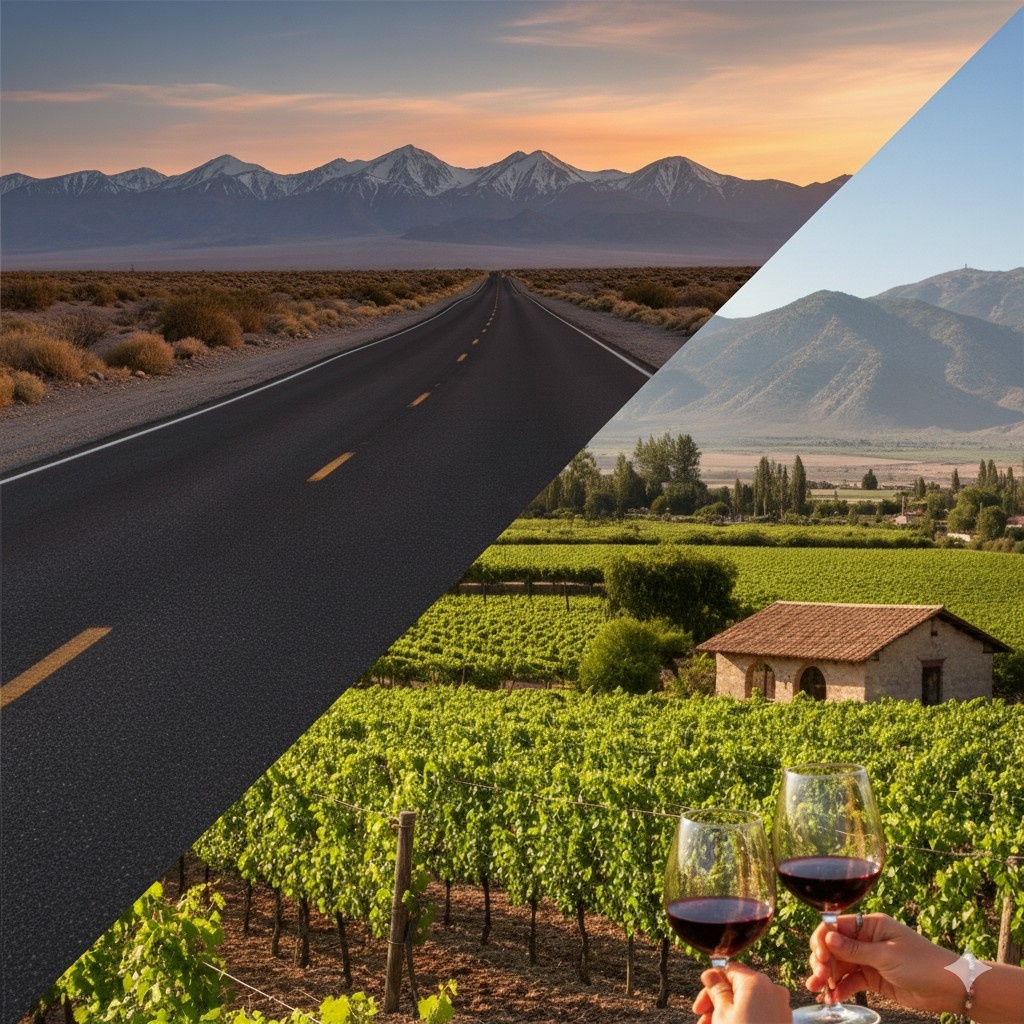
If you love winding roads, beautiful vineyards, and a little adventure, Chile should be on your travel list. Picture yourself driving through endless rows of grapevines, tasting some of the world’s best wines, and discovering breathtaking landscapes—all with an easy-to-get eVisa in your pocket. This guide will walk you through everything you need to know about Chile’s famous wine routes, how to get your Chile eVisa, the best roads to explore, and some handy travel tips. Let’s dive in!
What is the Wine Route in Chile?
Chile’s wine routes, known locally as Rutas del Vino, are a treasure trove for wine lovers and road trippers alike. Think of these as scenic trails weaving through fertile valleys where some of the world’s finest grapes flourish. But these routes are about more than just wine tasting. They are an invitation to slow down, savor local culture, indulge in gourmet food, and explore charming towns that hold stories of centuries-old winemaking traditions.

Here are the most popular wine routes to consider:
1. Colchagua Valley
Often called Chile’s premier wine valley, Colchagua is a fantastic place to start. The landscape is a patchwork of vineyards framed by the Andes on one side and the Coastal Range on the other. Wineries here range from elegant estates like Montes, known for its bold reds, to family-run operations with a warm, welcoming vibe. Don’t miss the chance to visit the Colchagua Museum in Santa Cruz, which offers an immersive dive into Chilean history and culture. After a day of tastings, stay overnight in a wine lodge to soak in the peaceful vineyard atmosphere.
2. Casablanca Valley
This valley has gained fame for its crisp whites, thanks to its cool coastal climate. It’s just about an hour’s drive from Santiago, making it a convenient escape from the city hustle. Visit wineries such as Veramonte and Casas del Bosque, where you can sip Sauvignon Blancs and Pinot Noirs paired with locally inspired cuisine. The nearby Pacific coast provides stunning photo ops if you want to mix beach and wine in one trip.
3. Curicó and Maule Valleys
Less touristy but equally charming, these valleys offer a glimpse of authentic rural Chilean life. Smaller wineries dot the landscape, and the slower pace here makes it perfect for travelers looking to get off the beaten path. Many of these vineyards specialize in traditional grape varieties and organic farming methods.
4. Itata Valley
Further south, the Itata Valley is a rising star for artisanal wines. This area is prized for its use of ancestral grape varieties and sustainable practices. Itata’s rugged landscape and smaller scale make for a more intimate experience, often with the winemakers themselves greeting visitors and sharing stories.
Why do travelers love these wine routes?
It’s not just the wine—though that’s a big part of it. The routes are a sensory feast of rolling vineyards, old haciendas, rich history, delicious food, and warm Chilean hospitality. Many wineries offer vineyard tours, cellar visits, and tasting sessions paired with local cheeses, fruits, and breads. For the foodies, winery restaurants serve farm-to-table menus that celebrate regional ingredients, making every meal a delight.

What Is the Chile eVisa?
The Chile eVisa is an electronic visa that allows travelers from certain countries to apply online for permission to enter Chile without having to visit a consulate or embassy. It simplifies and speeds up the Chile eVisa application process by letting you submit your documents and information digitally.
Do You Need a Chile eVisa?
Good news—whether you need an eVisa depends mostly on your nationality. Some travelers can enter Chile visa-free for short visits, while others must apply for Chile eVisa before arrival.
If you’re traveling from a country that requires a visa, the Chile eVisa is an easy option. It allows for a simple online application process, saving you time compared to traditional visa methods. Check the requirements based on your nationality and apply online to enjoy a smooth entry into Chile.
So, before you book your flight, double-check to see if an eVisa is necessary for you.
Types of eVisas for Chile
Chile offers different types of eVisas depending on the reason for your trip:
- Chile Tourist eVisa: For sightseeing, wine tours, and general travel. Usually valid for up to 90 days.
- Business eVisa: For attending meetings or business events—requires supporting documents like invitation letters.
- Transit eVisa: If you’re just passing through Chile on your way somewhere else, this might apply.
Some visas allow multiple entries, while others are single entry only. Make sure to choose the one that fits your plans.
How to Apply for the Chile eVisa: Step by Step
Applying for your Chile eVisa is pretty straightforward. Here’s a simple breakdown:
- Required documents: Passport (valid for 6 months), a recent photo, proof of accommodation, travel itinerary, financial proof (showing you can cover your trip expenses), and sometimes travel insurance.

- Fill out the application form: Provide personal details, travel plans, and upload the required documents.

- Pay the fee: Some nationalities need to pay a Chile eVisa Fees; check if this applies to you.

- Submit your application and wait: Processing can take up to 2-3 business days or more depending on the season and your nationality.

- Receive your eVisa: Once approved, you’ll get a PDF or email confirmation. Keep a copy handy when you travel.

Pro tip: Triple-check your documents and details before submitting. Mistakes or missing info are the most common reasons for delays or rejection.
What is the Famous Street in Santiago, Chile?
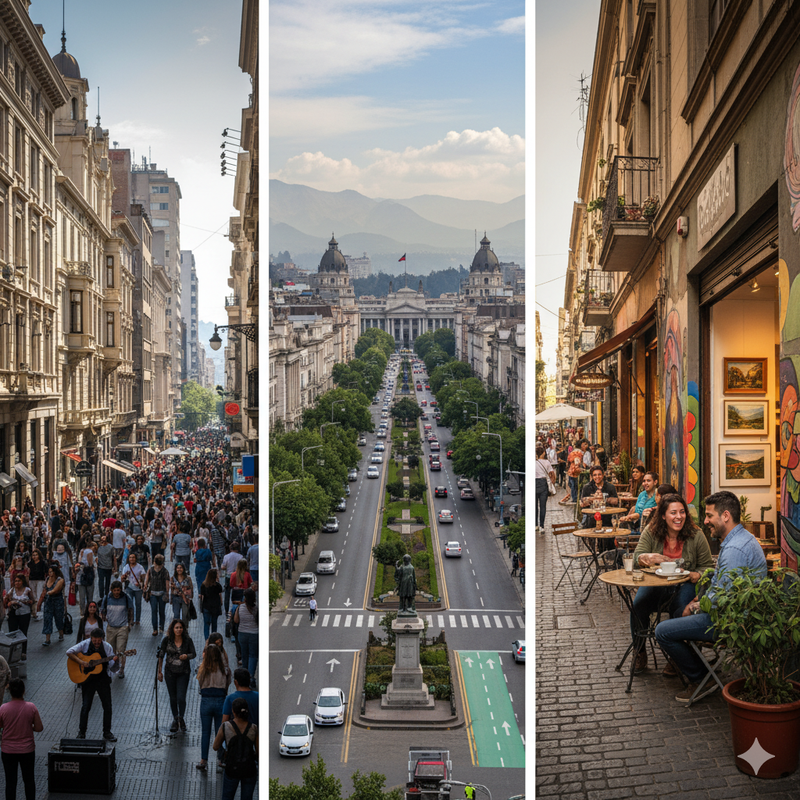
If you find yourself in Santiago, one street you simply can’t miss is Paseo Ahumada. It’s the bustling pedestrian street that cuts through the heart of the city, lined with shops, cafes, and street performers. It’s a great place to soak up local life.
Another iconic avenue is the Alameda (Avenida Libertador General Bernardo O’Higgins)—the main thoroughfare that runs through downtown Santiago and connects many important neighborhoods.
For a more artsy, laid-back vibe, check out Barrio Lastarria. This neighborhood’s main street is full of cozy cafes, galleries, and small boutiques—a perfect spot to relax after a day of exploring.
What is the Most Beautiful Road in Chile?
When it comes to breathtaking drives, Carretera Austral is the crown jewel. Stretching over 1,200 kilometers through Chilean Patagonia, this route is a mix of rugged wilderness, towering mountains, pristine lakes, and wild forests. The drive itself is an adventure, with some parts paved and others gravel, ferry crossings, and plenty of photo stops.
If you love nature and want to experience Chile’s raw beauty, this road trip is unbeatable. Along the way, you’ll find small towns like Coyhaique and Puerto Río Tranquilo, each with its own charm.
For a more coastal or mountainous alternative, the road from Santiago toward Mendoza, Argentina, is also stunning, with twisty mountain passes and spectacular views.
Travel Tips for Chile with an eVisa
Here are some tips to help your trip go smoothly:
- Visit during harvest season (March-April) for vineyard festivals and fresh grape picking.
- Rent a car that suits your route: a regular car works well for wine regions near Santiago, but if you’re tackling Patagonia’s Carretera Austral, go for a sturdy 4×4.
- Book winery tours ahead of time to secure your spot, especially in busy months.
- Learn some basic Spanish phrases—it goes a long way with locals!
- Try Chilean specialties like empanadas, fresh seafood ceviche, and grilled meats paired with local wines.
- Carry both pesos and credit cards—some rural areas prefer cash.
- Keep travel insurance and all your documents handy, especially your eVisa and passport.
- Stay flexible: Weather in Patagonia can be unpredictable, so have backup plans in case roads close.

Highlights of Chilean Culture, Food & Places to Visit
While on your road trip, make sure to visit:
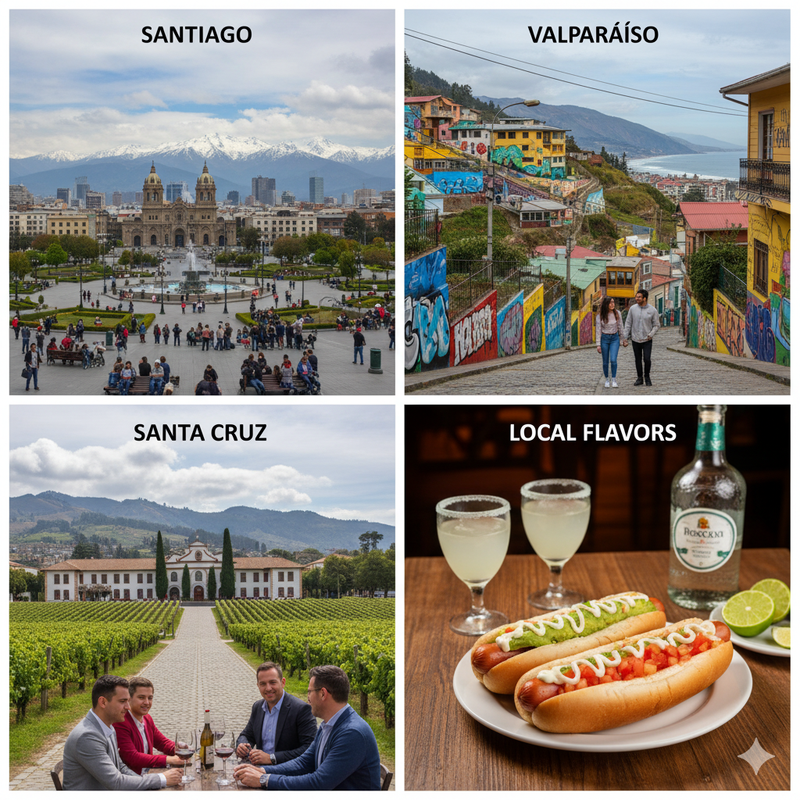
- Santiago: Explore the Plaza de Armas, the bustling Mercado Central, and Cerro San Cristóbal for panoramic views.
- Valparaíso: A colorful, hilly port city known for its street art and vibrant vibe—just a short detour from the Casablanca wine region.
- Santa Cruz: The gateway to Colchagua Valley, where you’ll find excellent wineries and the Colchagua Museum, which showcases Chile’s history.
- Local flavors: Don’t miss tasting pisco, Chile’s national spirit, and try the completo—a Chilean-style hot dog loaded with toppings.
Final Thoughts
Chile is a country that leaves a lasting impression. Whether you’re driving through endless vineyards, marveling at glaciers on the Carretera Austral, or enjoying a glass of world-class wine under a clear blue sky, it’s a place that rewards curiosity and slow travel.
With your eVisa in hand, all that’s left is to hit the road, savor the journey, and make memories that last a lifetime. Safe travels!